How Long Does a Roof Last in Northern Virginia? What Homeowners Should Know
A roof is one of the most important protective systems on your home, but it is not designed to last forever. If your home is getting older or you’ve recently experienced strong winds, hail, heavy rain, snow, or other severe weather, you may be wondering: How long does a roof last in Northern Virginia?
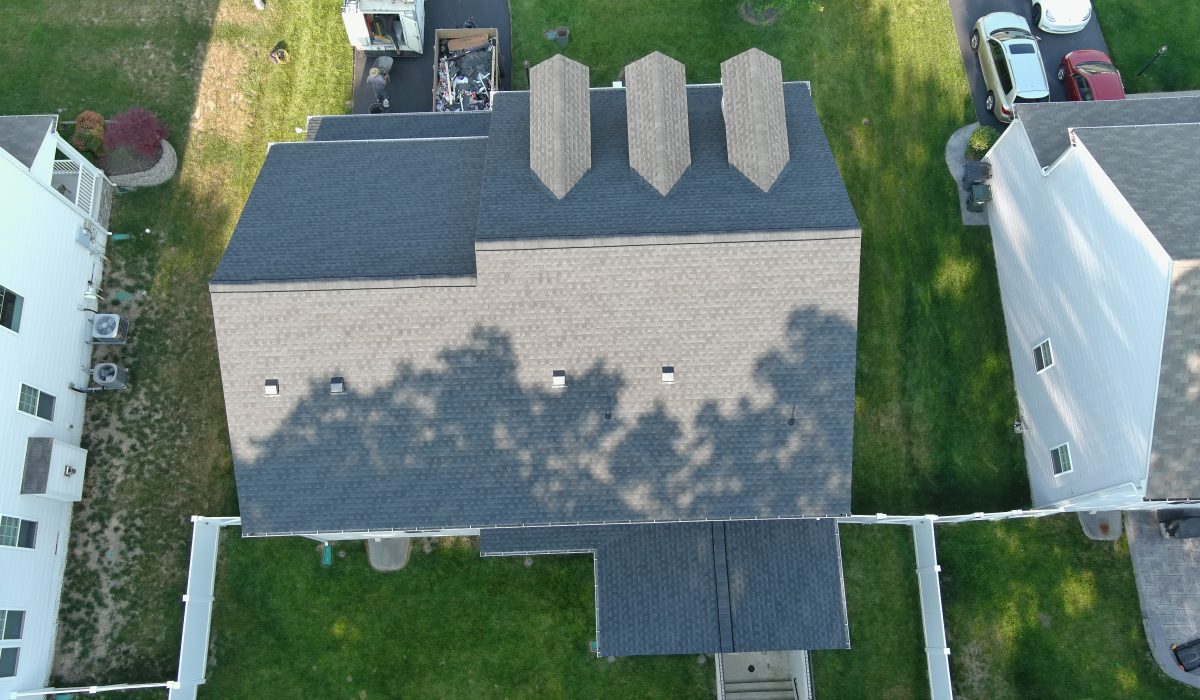
The answer depends on several factors, including the roofing material, installation quality, ventilation, maintenance, and exposure to Virginia’s changing weather conditions. An asphalt
shingle roof may have a very different service life from a slate, metal, cedar, or flat roofing system.
Understanding your roof’s expected lifespan can help you recognize potential problems earlier and make better decisions about inspections, repairs, maintenance, and eventual replacement.
Below, we’ll explain the average roof lifespan in Northern Virginia, what can shorten it, warning signs to watch for, and how professional roof inspections can help homeowners better understand the condition of their roofing system.
How Long Does a Roof Last in Northern Virginia on Average?
For many Northern Virginia homes, roofing materials are designed to provide decades of service when properly installed and maintained. However, there isn’t one exact age at which every roof needs replacement.
Here are general lifespan ranges for common residential roofing materials:
| Roofing Material | Typical Lifespan |
|---|---|
| 3-Tab Asphalt Shingles | 15–20 years |
| Architectural Asphalt Shingles | 20–30+ years |
| Premium Asphalt Shingles | 25–40 years |
| Metal Roofing | 40–70 years |
| Cedar Shake/Shingles | 20–40 years |
| Slate Roofing | 50–100+ years |
| Synthetic Roofing | 30–50+ years |
| Flat/Low-Slope Roofing | 15–30 years |
These are general estimates rather than guarantees. Two roofs installed during the same year can age at very different rates depending on their environment, installation, maintenance history, and exposure to severe weather.
That is why homeowners asking how long does a roof last in Northern Virginia should consider more than the installation date.
Why Northern Virginia Weather Can Affect Roof Lifespan
Virginia experiences changing weather throughout the year. Depending on your location, your roof may face intense summer heat, heavy rain, strong winds, hail, snow, ice, and significant temperature changes.
Over time, repeated exposure can contribute to deterioration.
Strong Winds
Wind can place significant stress on shingles, flashing, ridge caps, and other roofing components.
A strong wind event may lift or loosen shingles even when they remain attached to the roof. Missing, displaced, or damaged shingles can leave sections of the roofing system more vulnerable to moisture.
Heavy Rain
A properly functioning roofing system is designed to direct water away from the home. Problems can develop when roofing materials, flashing, gutters, or drainage systems become damaged or deteriorated.
Repeated exposure to rain can make existing vulnerabilities more noticeable and potentially contribute to leaks.
Hail
Hail can affect asphalt shingles and other exterior components. Depending on hailstone size, wind speed, roofing material, roof age, and other factors, impacts may cause visible or less obvious damage.
After a significant hailstorm, a professional inspection can help document the roof’s visible condition.
Heat and UV Exposure
Virginia summers can expose roofs to significant heat and sunlight.
Over many years, UV radiation and repeated heating and cooling can contribute to deterioration of some roofing materials. Asphalt shingles may gradually become brittle, lose granules, or show other signs of aging.
Snow and Ice
Winter weather creates a different set of challenges.
Snow accumulation, freeze-thaw cycles, and ice can place additional stress on roofing components. Existing vulnerabilities around flashing, valleys, penetrations, and drainage areas can become more noticeable during winter weather.
Asphalt Shingle Roof Lifespan in Northern Virginia
Asphalt shingles are among the most common residential roofing materials in Virginia.
The asphalt shingle roof lifespan depends heavily on the type and quality of the shingles.
Traditional 3-tab shingles may last approximately 15–20 years, while architectural shingles can often provide around 20–30 years or more under suitable conditions. Premium products may last longer.
However, the expected manufacturer lifespan should not be interpreted as a guaranteed replacement date.
Installation quality, attic ventilation, weather exposure, maintenance, roof slope, tree coverage, and storm history can all influence actual performance.
A 17-year-old roof in excellent condition may still have usable service life, while another roof of the same age may show significant deterioration.
Factors That Can Shorten Roof Lifespan in Northern Virginia
Several conditions may cause a roofing system to deteriorate sooner than expected.
1. Poor Installation
Even high-quality roofing materials depend on proper installation.
Problems with flashing, fasteners, underlayment, ventilation, or other components can affect how well the overall system performs.
2. Inadequate Attic Ventilation
Ventilation helps manage heat and moisture in the attic.
An improperly ventilated attic can contribute to excessive heat and moisture conditions that may negatively affect roofing materials and other parts of the home.
3. Repeated Storm Exposure
A roof doesn’t necessarily need to experience one catastrophic storm to develop problems.
Repeated wind, hail, heavy rain, snow, and temperature changes can gradually contribute to wear.
This is particularly important when estimating how long a roof lasts in Virginia, because storm history can be just as important as roof age.
4. Overhanging Trees
Trees can provide shade, but branches touching or hanging directly over the roof may create problems.
Falling branches can cause physical damage, while leaves and other debris may accumulate in valleys and gutters.
5. Clogged Gutters
Your gutters are part of your home’s overall water-management system.
When gutters become clogged with leaves and debris, water may not drain away from the roof and home as intended.
Keeping gutters clean can help reduce unnecessary moisture-related problems.
6. Lack of Routine Inspections
Some roof problems aren’t easily visible from the ground.
A homeowner may not notice loose flashing, deteriorating sealants, damaged shingles, or other concerns until they become more significant.
Periodic professional inspections can provide a clearer picture of the roof’s current condition.
Signs Your Roof May Be Nearing the End of Its Life
Age is useful information, but condition matters more.
Watch for signs such as:
- Missing or displaced shingles
- Cracked or curling shingles
- Significant granule loss
- Damaged or deteriorated flashing
- Recurring roof leaks
- Ceiling or attic moisture staining
- Sagging areas
- Moss or vegetation growth
- Repeated repairs in multiple roof sections
- Visible storm damage
- Deterioration around roof penetrations
- Roof sections that appear uneven
One symptom doesn’t automatically mean the entire roof needs replacement. Some issues may be localized and repairable.
A professional inspection can help determine the visible condition of the roofing system and whether repair, maintenance, or replacement should be considered.
Does an Old Roof Automatically Need to Be Replaced?
No.
A roof reaching its expected lifespan does not automatically mean it must be replaced immediately.
For example, suppose you have a 20-year-old architectural shingle roof. Its age makes a professional evaluation worthwhile, but its actual condition should play an important role in deciding what happens next.
A roofer can examine areas including the shingles, flashing, valleys, penetrations, ventilation components, gutters, and other visible roofing elements.
The goal is to make decisions based on actual roof conditions rather than age alone.
Can Roof Maintenance Help Extend Its Lifespan?
Routine maintenance can help address certain problems before they become more serious.
Homeowners can support their roofing systems by keeping gutters clear, trimming potentially damaging tree branches, watching for signs of leaks, checking the property after major storms, and scheduling professional evaluations when concerns develop.
However, maintenance cannot make deteriorated materials last indefinitely.
Eventually, every roofing system reaches a point where replacement becomes the more practical long-term option.
How Often Should Virginia Homeowners Have Their Roof Inspected?
There is no single inspection schedule that applies to every home, but periodic inspections are especially useful as a roof gets older.
You should also consider an inspection after significant weather events, particularly when your property has experienced:
- Strong winds
- Hail
- Fallen branches
- Heavy rainfall
- Visible missing shingles
- Active leaking
- New ceiling stains
- Unexplained exterior damage
Insured Roofs emphasizes inspections and clear construction documentation, including photos and other technical documentation where appropriate, as part of its homeowner-focused approach.
Repair vs. Replacement: Which Does Your Roof Need?
The right option depends on the extent and location of the problem.
A roof repair may be appropriate when damage is isolated, surrounding roofing materials remain in good condition, and the underlying roofing system is still performing properly.
A roof replacement may make more sense when deterioration is widespread, the roof is approaching or beyond its expected lifespan, multiple areas repeatedly require repairs, or significant roofing components are failing.
A professional evaluation provides information you can use to compare your options.
Why Knowing Your Roof’s Age Matters
If you’ve recently purchased a home, try to determine when the current roof was installed.
Documentation from the previous owner, permits, contractor records, home inspection reports, and material information may help establish its approximate age.
Knowing the age gives you a useful baseline.
For example, a 5-year-old roof showing significant problems deserves different consideration than a 25-year-old asphalt shingle roof showing normal age-related deterioration.
Keep records of inspections and completed repairs as well. Over time, this creates a useful history of the roofing system.
Protect Your Virginia Home With a Professional Roof Evaluation
So, how long does a roof last in Virginia?
Depending on the roofing material, the answer can range from roughly 15 years to more than a century. But material alone doesn’t tell the full story.
Virginia weather, storm exposure, installation quality, ventilation, maintenance, and the roof’s current physical condition all influence its actual service life.
If you don’t know your roof’s age or you’re noticing signs of deterioration, a professional inspection can provide the information you need to make an informed decision.
Schedule Your Roof Inspection With Insured Roofs
Don’t wait for a roof’s estimated lifespan to tell you whether there’s a problem.
Insured Roofs provides professional roof and exterior inspections for homeowners throughout Virginia, including the Arlington and surrounding Northern Virginia market. The company’s marketing and service strategy emphasizes clear inspections, technical construction documentation, homeowner education, and real project expertise.
Schedule a roof inspection today to better understand your roof’s current condition and available repair or replacement options.
Call Insured Roofs: (703) 828-7462
The phone number and licensed-and-insured positioning are consistent with the Insured Roofs brand guide.
How long does a roof last in Northern Virginia?
The lifespan depends on the roofing material, installation quality, maintenance, ventilation, and weather exposure. Asphalt shingles commonly last around 15–30+ years, while materials such as metal and slate may last considerably longer.
How long does an asphalt shingle roof last in Northern Virginia?
A typical asphalt shingle roof lifespan in Virginia may range from approximately 15 to 30 years or longer. Architectural shingles generally have a longer expected lifespan than basic 3-tab shingles.
Can Northern Virginia weather shorten a roof’s lifespan?
Yes. Strong winds, hail, heavy rain, heat, UV exposure, snow, ice, and repeated temperature changes can contribute to roofing wear over time.
How do I know when my roof needs replacement?
Possible warning signs include widespread shingle deterioration, missing shingles, significant granule loss, recurring leaks, damaged flashing, sagging, repeated repairs, and an older roofing system. A professional inspection can help determine whether repair or replacement should be considered.
Can a roof last longer than its expected lifespan?
Yes. Some roofs remain functional beyond their typical lifespan estimates, particularly when they were properly installed and maintained and have experienced limited severe weather. Roof condition is more important than age alone.
How often should I have my roof inspected in Northern Virginia?
Periodic inspections are useful for understanding the condition of your roof, especially as it gets older. An additional inspection may also be worthwhile after significant hail, wind, fallen branches, or other severe weather.
Does hail shorten roof lifespan in Northern Virginia?
It can. The effect depends on factors such as hailstone size, wind conditions, roofing material, roof age, and the severity of the event. A professional inspection can document visible conditions after a significant hailstorm.
Should I repair or replace an older roof?
It depends on the roof’s overall condition. Localized problems may sometimes be repaired, while widespread deterioration or recurring issues on an older roofing system may make replacement more practical.
Does attic ventilation affect how long a roof lasts?
Yes. Proper attic ventilation helps manage heat and moisture. Inadequate ventilation may contribute to conditions that negatively affect roofing materials and other building components.
Can clogged gutters reduce the lifespan of my roof?
Clogged gutters can interfere with proper water drainage. Keeping gutters and downspouts clear helps your roofing and exterior drainage systems direct water away from the home as intended.
What roofing material lasts the longest in Northern Virginia?
Slate is generally one of the longest-lasting residential roofing materials and can potentially remain functional for many decades. Metal roofing can also offer a long service life. Actual longevity depends on installation, product quality, maintenance, and environmental conditions.
Should I replace my roof just because it’s 20 years old?
Not necessarily. Twenty years is an important milestone for many asphalt roofs, but roof age alone doesn’t determine whether replacement is necessary. A professional inspection can help evaluate its actual condition before you make a decision.