What Homeowners Need to Know About Roofing Projects During a Heat Wave
Summer can be a practical time to complete roofing work, but extreme temperatures introduce conditions that homeowners may not encounter during a mild-weather project. If you are planning roofing projects during a heat wave, understanding how high temperatures can affect the roof, roofing materials, working conditions, and project schedule can help you know what to expect.
A heat wave does not automatically mean your roof replacement or repair must be canceled. Professional roofing contractors can evaluate weather conditions, material requirements, roof temperatures, and crew safety before determining how work should proceed.
This is especially important in Virginia and the DMV, where summer weather can bring periods of intense sunshine, high humidity, thunderstorms, and prolonged heat.
At Insured Roofs, our focus is on helping homeowners understand their roof’s condition and the construction work that may be necessary. Insured Roofs serves the DC, Maryland, and Virginia region as a licensed and insured roofing and exterior restoration contractor.
Here is what homeowners should understand about roofing projects during a heat wave before work begins.
Can Roofing Projects Be Completed During a Heat Wave?
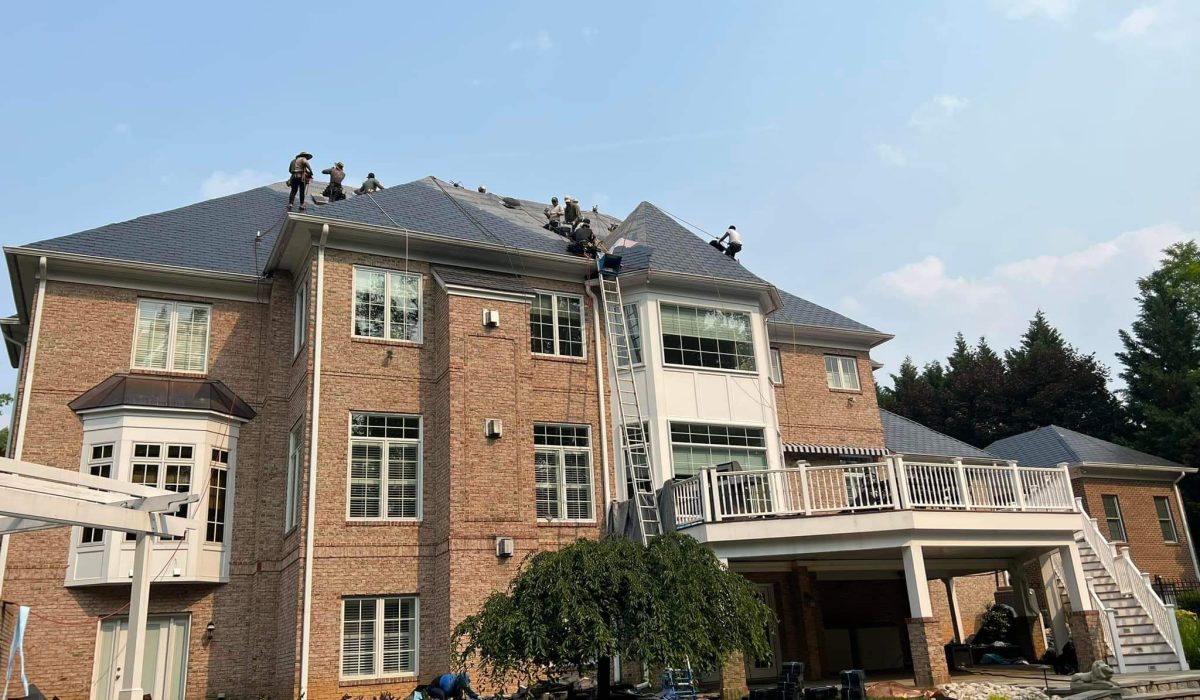
Yes, many roofing projects during a heat wave can still move forward. However, extreme heat can change how a roofing contractor approaches the work.
Roofing professionals must consider more than the air temperature. Direct sunlight can make a roof surface considerably hotter than the surrounding air. Roof color, roofing material, ventilation, cloud cover, humidity, wind, and the direction the roof faces can all influence working conditions.
Because of this, a contractor may adjust working hours, schedule additional breaks, change the order in which different sections of the roof are completed, or postpone certain work when conditions become unsafe.
For homeowners, a schedule adjustment during extreme heat should not automatically be viewed as a problem. Safety and proper installation should take priority over rushing a project.
1. The Roof Can Be Much Hotter Than the Air
One of the most important things to understand about roofing projects during a heat wave is that the temperature reported by a weather app does not necessarily represent conditions on the roof.
Roofing materials absorb solar energy throughout the day. Dark-colored roofing materials can become especially hot when exposed to direct sunlight.
That means a seemingly manageable summer afternoon can create much harsher working conditions on the roof itself.
The combination of high temperatures, direct sunlight, physical labor, and limited shade increases heat stress for roofing crews. Professional contractors should therefore monitor conditions throughout the project rather than relying exclusively on the day’s forecast.
2. Roofing Crews May Start Earlier
Don’t be surprised if your contractor wants to begin a summer roofing project earlier than you expected.
Starting earlier allows crews to take advantage of cooler morning temperatures. Depending on local regulations, homeowner considerations, and project conditions, contractors may try to complete the most physically demanding portions of the job before peak afternoon heat develops.
During roofing projects during a heat wave, the normal workday may also be modified.
A crew could take more frequent breaks, rotate tasks, increase hydration periods, or stop work earlier if conditions become unsafe.
These precautions can affect how quickly your project progresses, but protecting workers from heat-related illness is more important than maintaining an aggressive timeline.
3. Extreme Heat Can Affect Roofing Materials
Worker safety isn’t the only consideration. Roofing materials themselves can behave differently in extreme temperatures.
Asphalt shingles, for example, become more flexible as they heat up. Excessive heat can make newly installed shingles more susceptible to scuffing or surface damage when walked on improperly.
This is one reason experienced roofers carefully plan how they move across the roof during roofing projects during a heat wave.
Manufacturers also provide installation requirements for their products. A professional contractor should follow applicable manufacturer instructions rather than assuming every roofing material can be handled identically under all weather conditions.
4. Your Project Could Take Longer
Homeowners naturally want to know how long a roof replacement will take. Under normal circumstances, many residential projects can move relatively quickly, but every roof is different.
During extreme summer weather, predicting an exact completion time becomes more difficult.
Roofing projects during a heat wave may require additional breaks, shortened work periods, or temporary pauses during the hottest part of the day.
Other factors can influence the timeline as well, including:
- Roof size and complexity
- Roofing material
- Decking condition
- Accessibility
- Ventilation components
- Flashing requirements
- Material delivery
- Crew size
- Afternoon thunderstorms
- Unexpected repairs discovered after removing old materials
A slight schedule change does not necessarily indicate poor project management. Sometimes it reflects responsible adaptation to actual jobsite conditions.
5. Heat Isn’t the Only Summer Weather Concern
When discussing roofing projects during a heat wave, homeowners often focus entirely on temperature.
But summer roofing requires attention to rapidly changing weather as well.
Hot, humid days can develop into afternoon thunderstorms. Wind and rain can change jobsite conditions quickly, particularly after sections of an existing roofing system have been removed.
Professional roofers should monitor forecasts and plan tear-off and installation activities accordingly.
This is why your contractor might change the day’s schedule even when the morning sky looks clear.
The goal should be to avoid unnecessarily exposing the home to changing weather while completing the roofing system correctly.
6. Attic Ventilation Becomes Especially Noticeable in Summer
A roof replacement in hot weather can also bring attention to another important part of the roofing system: attic ventilation.
Your roof is not simply a layer of shingles.
The complete system can include roof decking, underlayment, flashing, shingles or another roof covering, intake ventilation, exhaust ventilation, penetrations, pipe boots, valleys, drip edge, and other components.
During hot weather, attic ventilation becomes particularly noticeable because heat can accumulate inside an inadequately ventilated attic.
When planning roofing projects during a heat wave, contractors may evaluate existing ventilation as part of the overall roofing system.
Ventilation requirements vary by roof design, building configuration, and applicable construction requirements, so homeowners should avoid assuming that simply adding more vents will solve every heat-related problem.
Balanced ventilation matters.
7. Prepare Your Property Before the Crew Arrives
Homeowners can make roofing projects during a heat wave easier by preparing the property before installation day.
Move vehicles away from the house so contractors can access the property and so vehicles are separated from the active work area. Secure fragile outdoor items, patio furniture, grills, decorations, and children’s toys.
Inside the house, vibrations from roofing work may affect loosely secured objects. Consider removing fragile decorations from shelves or walls, particularly on upper floors.
Pets should also be kept inside and away from the active work zone.
If you have questions about air conditioning units, landscaping, outdoor electrical equipment, solar equipment, or other features near the house, discuss them with your contractor before work begins.
Good preparation helps a summer roof replacement proceed more efficiently.
8. Give the Roofing Crew Space to Work Safely
Watching a roof replacement can be interesting, but an active roofing project is a construction site.
During roofing projects during a heat wave, homeowners should avoid standing close to work zones or walking around debris and equipment.
Never climb onto the roof to check progress yourself.
Roofing work involves fall hazards even under normal conditions. Extreme heat can make roofing surfaces and equipment uncomfortable or dangerous to touch, while construction materials and debris create additional risks.
If you want to see how the project is progressing, ask your contractor for photographs or an update from the ground.
9. Ask How Your Contractor Handles Extreme Heat
Before scheduling roofing projects during a heat wave, homeowners can ask their contractor a few straightforward questions.
Ask how weather conditions are monitored, whether working hours may change, how materials will be protected, what happens if temperatures become unsafe, and how unexpected weather delays will be communicated.
You can also ask what the contractor will do if underlying damage is discovered once the existing roofing materials are removed.
A reputable contractor should be able to explain the construction process clearly without making unrealistic promises about conditions outside their control.
10. Don’t Rush Necessary Roofing Work or Ignore It
Extreme heat may make homeowners hesitant to begin a roofing project. That is understandable.
However, automatically postponing necessary repairs for months may not always be the best decision either.
If your roof has missing shingles, active leaks, damaged flashing, deteriorated materials, or another known problem, waiting could allow the condition to worsen.
The better approach is to have the roof evaluated and discuss timing with a qualified roofing contractor.
For roofing projects during a heat wave, the question shouldn’t simply be, “Is it hot outside?”
Instead, ask: Can this particular roofing project be performed safely and correctly under the current conditions?
That decision should account for the roof, materials, weather, crew, and scope of work.
11. Quality Should Matter More Than Speed
Homeowners sometimes become concerned when a project slows down because of heat.
But speed should never be the only measure of a successful roof installation.
Proper installation details matter.
Flashing needs attention. Underlayment needs to be installed correctly. Roof penetrations need proper treatment. Ventilation needs to meet the needs of the roofing system. Manufacturer installation requirements should be followed.
During roofing projects during a heat wave, contractors may need to balance productivity against weather conditions and material handling.
A roof is a long-term component of your home. Finishing a few hours earlier is far less important than completing the roofing system correctly.
12. Consider an Inspection Before Making a Decision
If you are unsure whether you need a repair or replacement, start with a professional roof inspection.
An inspection can help identify visible conditions affecting shingles, flashing, penetrations, roof edges, gutters, and other roofing components.
This is particularly useful before committing to roofing projects during a heat wave because the contractor can determine the urgency and scope of the work before scheduling construction.
Insured Roofs’ marketing framework emphasizes clear inspections, technical construction documentation, premium service, and homeowner education rather than competing simply on price.
What Homeowners Should Expect From Hot-Weather Roofing
Ultimately, successful roofing projects during a heat wave require flexibility.
Your contractor may begin earlier, take additional breaks, modify the workflow, monitor changing weather, or adjust the project schedule. Materials may also require more careful handling under intense sunlight.
These precautions are not necessarily signs that something is wrong.
They can be signs that the contractor is responding appropriately to actual jobsite conditions.
Communication is particularly important. Homeowners should understand what is happening, why schedules may change, and what work has been completed.
FAQ: Roofing Projects During a Heat Wave
Is it too hot to replace a roof during summer?
Not necessarily. Many roofing projects during a heat wave can be completed successfully, but contractors need to evaluate actual roof temperatures, weather conditions, material requirements, and worker safety. Work schedules may be modified during extreme heat.
Can extreme heat damage shingles during installation?
Asphalt shingles can become softer and more flexible when they become very hot. Contractors should use appropriate handling and installation practices to reduce unnecessary scuffing or other surface damage.
Will a heat wave delay my roof replacement?
It can. Roofing projects during a heat wave may require additional rest periods, earlier starting times, shortened workdays, or temporary work stoppages. The exact impact depends on local conditions and the project.
Why do roofers start so early during hot weather?
Early morning temperatures are generally cooler than peak afternoon conditions. Starting earlier can allow crews to perform more work before intense solar heating makes the roof surface hotter.
Should I postpone my roofing project until fall?
Not automatically. If your roof has a condition requiring attention, delaying the work could create other risks. Have the roof inspected and ask your contractor whether the project can be completed safely under current conditions.
Can homeowners inspect the roof themselves during a heat wave?
Homeowners should stay on the ground and avoid climbing onto the roof. Roofs already present fall hazards, and hot roofing surfaces create additional concerns. A trained roofing professional can perform a closer evaluation.
Does attic ventilation help during hot weather?
Proper attic ventilation can help manage heat and moisture within the roof system, but ventilation must be designed appropriately. Simply adding vents without considering intake, exhaust, roof design, and existing conditions is not necessarily the right solution.
What should I ask my roofer before a summer project?
Ask how the company manages extreme temperatures, monitors weather, protects roofing materials, handles schedule changes, communicates delays, and responds to unexpected conditions discovered during construction.
Schedule a Professional Roof Inspection
If you’re considering roofing projects during a heat wave, you don’t have to determine the condition of your roofing system from the ground by yourself.
A professional inspection can help you understand the visible condition of your roof, identify areas that may need attention, and determine whether repair or replacement should be considered.
Insured Roofs serves homeowners throughout Northern Virginia and the DC, Maryland, and Virginia region. Our team focuses on roofing expertise, clear inspections, documentation, and homeowner education so you can better understand your roofing options. The company’s established trust signals include GAF Certified™, Licensed & Insured, and 5-Star Rated.
Schedule your roof inspection today and get a clearer picture of what your roof needs before the next stretch of severe summer weather.