How to Get Your Home and Property Ready for Roof Replacement Day
A roof replacement is a major home improvement project, and a little preparation can make the experience significantly easier for everyone involved. While your roofing contractor handles the actual removal and installation, homeowners can take several practical steps to prepare for roof replacement before the crew arrives.
Roofing work involves movement, vibration, equipment, debris, deliveries, and workers moving around the exterior of your property. Preparing your driveway, yard, attic, walls, vehicles, pets, and outdoor belongings can help create a safer and more accessible work environment.
If your roof replacement is coming up, don’t wait until installation morning to start moving things around. Use this roof replacement preparation checklist to understand what you should consider before work begins.
Why Should You Prepare Your Property Before a Roof Replacement?
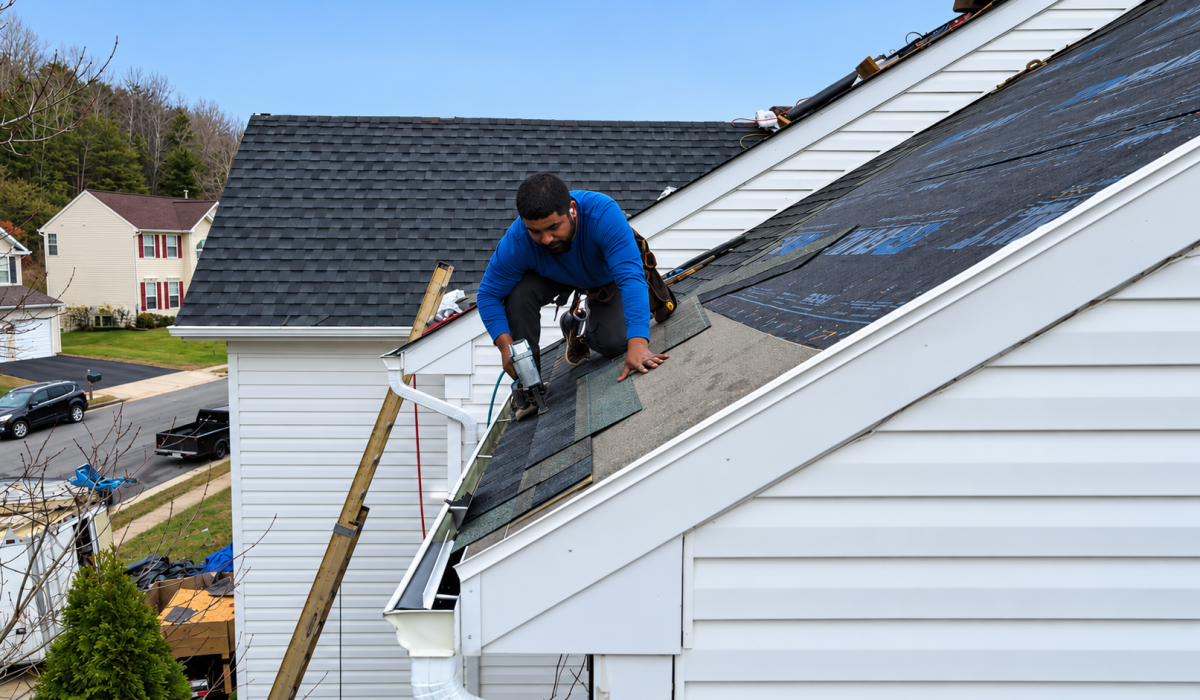
Replacing a roof involves much more activity than many homeowners expect. Depending on the roofing system and project scope, crews may need to remove existing materials, deliver new roofing products, access different sides of the house, and clean up debris throughout the project.
Taking time to prepare for roof replacement can help:
- Give the roofing crew easier access to the property.
- Protect vehicles and outdoor belongings.
- Reduce the chance of fragile indoor objects being disturbed by vibration.
- Keep children and pets away from active work areas.
- Make cleanup and material handling easier.
- Reduce unnecessary delays.
- Help you know what to expect during the project.
Your roofing contractor should provide project-specific instructions before work starts. Those instructions should always take priority because every property and roofing project is different.
1. Move Vehicles Away From the Work Area
One of the first things homeowners should do to prepare for roof replacement is relocate vehicles.
Roofing crews may need access to your driveway for equipment, trailers, materials, or debris removal. Keeping vehicles away from the immediate work area also reduces their exposure to dust and falling roofing debris.
Before the crew arrives, move cars, motorcycles, bicycles, trailers, and other vehicles to an appropriate location away from the house.
If you expect to need your vehicle during the roofing project, moving it before work begins prevents it from becoming blocked by equipment or material deliveries.
2. Clear Items Around the Exterior of Your Home
Take a walk around your property several days before the scheduled project.
Look for objects that can easily be moved away from the house, including:
- Patio furniture
- Grills
- Potted plants
- Children’s toys
- Lawn decorations
- Garden tools
- Outdoor lighting
- Sports equipment
- Hanging decorations
- Portable fire pits
Move these belongings to a garage, shed, or another protected area whenever possible.
Creating open space around the home gives the roofing crew more room to work and helps protect your belongings from dust and debris.
3. Protect Your Landscaping
You don’t need to completely redesign your landscaping before a roof replacement, but it is helpful to identify areas that require special attention.
Walk around the property and look for delicate plants, garden beds, shrubs, decorative features, irrigation components, and other items near the house.
Let your roofing contractor know about anything that may be difficult to see or particularly important to protect.
You can also trim grass before the project when practical. A reasonably maintained yard can make it easier to identify and collect small pieces of roofing debris during cleanup.
Avoid placing temporary covers over plants or landscaping without discussing them with your contractor first. The roofing company may have its own protection and debris-control procedures.
4. Remove Fragile Decorations From Walls and Shelves
Roof replacement work can create vibration throughout parts of the home. Tear-off, material handling, and installation activity may sometimes cause walls or ceilings to vibrate.
Before work begins, inspect rooms directly beneath or near the roof.
Consider temporarily removing fragile or valuable objects such as:
- Framed artwork
- Mirrors
- Hanging shelves
- Delicate decorations
- Glass items
- Collectibles
- Loosely secured wall décor
Pay particular attention to objects that are heavy, fragile, valuable, or loosely mounted.
This simple roof replacement preparation step takes only a few minutes but can help prevent unnecessary damage to belongings inside your home.
5. Check Your Attic Before Roof Replacement Day
The attic is one area homeowners sometimes forget when preparing for a new roof.
Roofing work occurs directly above the attic, and vibrations can disturb dust or small debris. If you store important belongings there, consider moving or covering them before installation begins.
Items especially worth protecting include:
- Clothing
- Holiday decorations
- Electronics
- Documents
- Photographs
- Family keepsakes
- Fabric items
- Storage boxes with open tops
Use appropriate protective coverings for belongings that cannot easily be moved.
Once the roofing work is finished, check the attic and clean up any dust or small debris that may have been disturbed during construction.
6. Keep Children and Pets Away From Work Areas
A roof replacement turns the exterior of your home into an active construction area.
There may be workers, equipment, roofing materials, debris, tools, ladders, and other temporary hazards around the property.
Children should understand that they need to remain away from active work zones.
Pets may also react to unfamiliar noises and activity. Hammering, footsteps overhead, machinery, and people moving around the property can make some animals anxious.
Plan ahead by keeping pets securely indoors and away from doors that workers may need to access. In some situations, arranging for pets to stay somewhere quieter during the busiest portion of the project may be helpful.
7. Make Sure the Crew Has Necessary Access
Your contractor may need access to certain areas of the property during the roof replacement process.
Before installation day, confirm what needs to remain accessible.
Depending on the project, this could include:
- Driveways
- Gates
- Side yards
- Electrical outlets
- Exterior water sources
- Attic access
- Garages
- Other areas related to the project
Unlock required gates and remove obstacles before the crew arrives.
If your property has unusual access conditions, narrow side yards, locked fences, underground irrigation, septic components, or other features contractors should know about, discuss them beforehand.
8. Identify Exterior Features That Need Special Attention
Every home is different.
Before roof replacement begins, point out exterior features that could affect access or require additional care.
Examples include:
- Solar panels
- Satellite dishes
- Security cameras
- Exterior lighting
- Low-hanging wires
- Irrigation systems
- HVAC equipment
- Pools
- Pergolas
- Awnings
- Detached structures
Do not attempt to disconnect electrical, solar, satellite, or other specialized systems yourself unless you are qualified to do so.
Instead, discuss these features with your roofing contractor before the project begins so appropriate arrangements can be made.
9. Talk to Your Neighbors
Roof replacement can temporarily increase noise and activity around your home.
If houses are close together, giving your neighbors advance notice is a thoughtful step. Let them know the expected project dates so they aren’t surprised by construction noise, trucks, or workers arriving.
This can be particularly useful in neighborhoods with shared driveways, limited street parking, townhomes, or homes positioned close together.
You don’t need to provide extensive details. A simple heads-up about the expected roofing schedule is usually enough.
10. Prepare for Noise During the Roof Replacement
Roof replacement is construction work, so homeowners should expect noise.
If you work remotely, have small children, conduct online meetings, or need a quiet environment during the day, consider making alternative arrangements during the loudest portions of the project.
The exact schedule depends on the size of the roof, roofing material, weather, project complexity, and other site conditions.
Ask your contractor what you should expect before work starts rather than assuming every project follows the same timeline.
11. Confirm Material Delivery and Parking Arrangements
Roofing materials may arrive before the installation crew or at another scheduled point during the project.
Ask your roofing contractor where materials will be placed and whether any part of your driveway needs to remain clear.
This is especially important when your property has:
- Limited driveway space
- Narrow streets
- HOA parking restrictions
- Shared access
- Multiple vehicles
- Landscaping near delivery areas
Planning ahead helps prevent last-minute access problems.
12. Mow the Lawn and Clear Loose Yard Debris
If weather and your normal maintenance schedule allow, mowing the lawn shortly before roof replacement can help with final cleanup.
Shorter grass can make certain small pieces of debris easier to identify during cleanup.
You should also remove unnecessary leaves, branches, toys, and other loose materials from areas around the house.
However, homeowners should stay away from active construction areas once roofing work begins. Allow the crew to handle project-related cleanup and follow their safety instructions.
13. Review the Project Details With Your Roofing Contractor
Before installation day, make sure you understand the basic project plan.
Confirm important details such as:
- Expected start date
- Estimated project duration
- Roofing materials being installed
- Material delivery arrangements
- Property access requirements
- Cleanup procedures
- Who your primary contact will be
- What happens if weather delays the project
- Whether someone needs to be home
- Any property-specific preparation instructions
Clear communication is one of the most important parts of preparing for roof replacement.
If something about the process isn’t clear, ask before construction begins.
14. Understand That Weather Can Affect the Schedule
Roofing work is heavily influenced by weather conditions.
Rain, high winds, storms, extreme temperatures, or other unsafe conditions may affect when work can begin or continue.
Even if your replacement has a scheduled date, remain flexible and stay in communication with your contractor.
A weather delay does not necessarily mean something has gone wrong with your project. Conditions sometimes simply require the schedule to change so roofing work can be completed appropriately.
15. Don’t Try to Prepare the Roof Yourself
Preparing your property does not mean preparing the actual roof.
Homeowners should not climb onto the roof to move materials, inspect installation areas, remove debris, or attempt last-minute repairs.
Roof access involves fall hazards, and roofing surfaces can be more difficult to navigate than they appear from the ground.
Instead, keep your preparation focused on safe, ground-level tasks such as clearing outdoor belongings, relocating vehicles, securing pets, and communicating property concerns to your roofing contractor.
Let trained roofing professionals handle roof-level inspection and construction work.
Roof Replacement Preparation Checklist
Use this quick checklist before your scheduled installation:
- Move vehicles away from the house.
- Clear patio furniture and outdoor belongings.
- Secure children and pets.
- Remove fragile wall decorations.
- Protect important attic belongings.
- Identify delicate landscaping.
- Unlock necessary gates.
- Clear appropriate driveway and access areas.
- Tell your contractor about exterior equipment or special property features.
- Notify nearby neighbors when appropriate.
- Plan for daytime construction noise.
- Confirm material delivery arrangements.
- Review the project schedule.
- Ask what happens if weather causes a delay.
- Keep everyone away from active work zones.
Completing these steps can help you prepare for roof replacement without making the process unnecessarily complicated.
Frequently Asked Questions About Preparing for Roof Replacement
Should I move my car before a roof replacement?
Yes. In most cases, moving vehicles away from the immediate work area is a good idea. It provides contractors with easier access and helps keep vehicles away from construction activity and roofing debris. Ask your contractor where they recommend parking.
Do I need to remove everything from my attic?
Usually not. However, roofing work can disturb dust and small particles. If you have valuable or sensitive belongings in the attic, consider moving them or covering them appropriately before work begins.
Should I take pictures off the walls before roof replacement?
Fragile or loosely mounted decorations are worth temporarily removing. Roofing construction can cause vibrations that travel through parts of the home.
Can I stay home during a roof replacement?
In many situations, yes, but expect considerable noise and activity. If you work from home, have young children, sensitive pets, or need a quiet environment, spending part of the day elsewhere may be more comfortable.
How should I prepare my yard for a roof replacement?
Move portable furniture, toys, decorations, grills, tools, and other belongings away from the house. Identify landscaping or property features that need special attention and discuss them with your roofing contractor.
Should I cover my plants before the roofing crew arrives?
Ask your contractor first. Professional roofing crews may already have procedures for protecting landscaping and managing debris. Improper coverings can potentially damage plants, especially during hot weather.
Do I need to be home when my roof is replaced?
Requirements vary by contractor and project. Ask before installation day whether someone needs to be present and how the crew will communicate with you during the project.
What happens if it rains on my scheduled roof replacement day?
Weather can affect roofing schedules. Your contractor should monitor conditions and determine whether work can proceed safely. Ask about the company’s weather-delay procedures before your scheduled installation.
How long does roof replacement take?
Project length varies according to roof size, design, materials, accessibility, weather, underlying conditions, and the amount of work required. Your contractor can provide a project-specific estimate after evaluating your roof.
What is the most important thing to do before a roof replacement?
One of the best things you can do is communicate with your contractor. Confirm access requirements, vehicle placement, material delivery, landscaping concerns, pets, exterior equipment, and other property-specific details before installation day.
A Little Preparation Can Make Roof Replacement Day Easier
Knowing how to prepare for roof replacement doesn’t require complicated construction knowledge. Most homeowner preparation involves simple tasks: clearing access, moving belongings, protecting fragile items, securing pets, planning for noise, and communicating with your roofing contractor.
The goal isn’t for you to prepare the roof yourself. It’s to create a property environment where the roofing professionals can focus on their work while you protect the belongings and areas around your home that matter to you.
When you know what to expect before installation begins, roof replacement day can feel much more organized.
Ready to Talk About Your Roof?
If you’re considering a roof replacement or aren’t sure about the current condition of your roofing system, Insured Roofs can evaluate visible roof conditions and help you understand your repair or replacement options.
Insured Roofs is a licensed and insured roofing and exterior restoration company serving homeowners throughout DC, Maryland, and Virginia, with roofing expertise, inspections, documentation, and homeowner education central to its positioning.
Schedule your roof inspection with Insured Roofs and get clear information about the condition of your roofing system and the next steps for your property.
Insured Roofs — We Protect What Protects You.