The Long-Term Risks of Ignoring Damage to Your Roof
A few missing shingles, a small ceiling stain, damaged flashing, or a minor leak may not seem urgent at first. However, roof damage rarely improves on its own. What begins as a relatively small roofing problem can become more complicated when rain, wind, temperature changes, and continued weather exposure affect the damaged area.
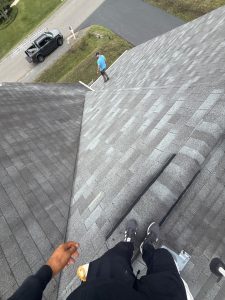
For homeowners, the biggest concern with roof damage is that the visible problem may only represent part of what is happening within the roofing system.
Water can enter through damaged shingles, flashing, vents, valleys, or other vulnerable areas and travel through roof decking, insulation, rafters, and ceilings before becoming visible inside the home. That means roof damage can sometimes progress for weeks or months before homeowners notice obvious symptoms.
Leaving roof damage unrepaired may eventually lead to moisture intrusion, deteriorated decking, damaged insulation, interior ceiling problems, wood rot, mold-related concerns, and more extensive repairs.
Understanding what can happen when roof damage is ignored can help homeowners recognize why early inspections and timely repairs matter.
What Happens If Roof Damage Is Left Unrepaired?
The effects of roof damage depend on the type of problem, its location, weather conditions, and how long it remains unresolved.
A small defect may initially affect only one roofing component. Over time, however, continued exposure to rain and moisture can allow the problem to spread.
Unrepaired roof damage may contribute to:
- Roof leaks
- Damaged roof decking
- Wet insulation
- Ceiling stains
- Drywall deterioration
- Wood rot
- Mold-related moisture problems
- Damaged fascia or soffits
- Higher repair costs
- Reduced roofing system performance
The longer roof damage remains exposed to the elements, the greater the opportunity for additional materials to become affected.
1. Small Roof Damage Can Become Larger
One of the biggest risks of delaying repairs is that relatively minor roof damage can expand.
For example, a single lifted shingle may expose underlying roofing materials. During the next storm, wind may lift the shingle further or rainwater may reach the underlayment.
Temperature changes can also cause roofing materials to expand and contract.
Over time, damaged areas may become larger.
Examples include:
- Small cracks becoming wider
- Loose shingles becoming detached
- Minor flashing gaps becoming larger openings
- Aging sealants deteriorating further
- Small punctures allowing repeated water intrusion
Addressing roof damage early may allow a contractor to correct a localized problem before surrounding roofing materials become affected.
2. Water Can Enter Through Damaged Roofing Materials
One of the most serious consequences of roof damage is water intrusion.
Your roofing system is designed to move rainwater away from the structure. When shingles, flashing, underlayment, pipe boots, or other components become damaged, water may find a path underneath the roof covering.
A small opening does not necessarily produce an immediate ceiling leak.
Water may first travel through:
- Roof decking
- Rafters
- Trusses
- Insulation
- Fasteners
- Wall cavities
Because of this, hidden roof damage may exist before water becomes visible inside your home.
A ceiling stain may therefore be a later sign of a problem rather than the beginning of one.
3. Roof Decking May Begin to Deteriorate
Roof decking provides the structural surface beneath shingles and underlayment.
Repeated water exposure from unrepaired roof damage may cause wood decking to absorb moisture.
Over time, wet decking may:
- Swell
- Warp
- Delaminate
- Soften
- Rot
Damaged decking cannot always be repaired from the surface.
If deterioration becomes extensive, affected sections may need to be removed and replaced during roof repair or roof replacement work.
This is one reason early roof damage repair can potentially prevent a smaller roofing issue from developing into a more involved project.
4. Insulation Can Become Wet
Attic insulation plays an important role in maintaining indoor temperatures and improving energy efficiency.
When roof damage allows water into the attic, insulation may absorb moisture.
Wet insulation may become compressed and lose some of its ability to perform effectively.
Moisture may also remain trapped in insulation after a storm has passed.
Signs that insulation may have been exposed to water include:
- Damp attic areas
- Musty odors
- Dark spots
- Compressed insulation
- Water staining
- Increased indoor humidity
Repairing the roof damage that allowed water inside should be the first priority before addressing affected interior materials.
5. Ceiling Stains May Appear
One of the most common signs of unrepaired roof damage is discoloration on a ceiling.
Homeowners may notice:
- Brown rings
- Yellow stains
- Dark patches
- Bubbling paint
- Peeling paint
- Soft drywall
A ceiling stain indicates that moisture has already moved beyond the exterior roofing materials.
However, the stain may not be directly below the damaged section of roof.
Water can travel along decking, rafters, or other materials before reaching the ceiling.
For that reason, finding the actual roof damage is more important than simply repainting the stained area.
6. Drywall Can Become Damaged
When water continues entering through roof damage, drywall may absorb moisture.
Drywall is not designed for continuous water exposure.
Depending on the severity of the leak, it may:
- Become soft
- Sag
- Bubble
- Crack
- Discolor
- Lose structural integrity
Repairing interior drywall without correcting the underlying roof damage will not solve the problem.
If water continues entering during future storms, the damage may return.
7. Moisture Can Affect Wooden Framing
A roofing system contains numerous wooden components.
These may include:
- Rafters
- Trusses
- Roof decking
- Fascia
- Framing
- Blocking
When roof damage allows repeated moisture exposure, these materials may remain damp for extended periods.
Persistent moisture can contribute to wood deterioration.
In severe cases, structural repairs may become necessary.
The earlier roof damage is identified, the better the opportunity to limit how far moisture spreads into the structure.
8. Mold-Related Problems May Develop
Persistent moisture can create conditions that support mold growth.
A leaking roof does not automatically mean a home has mold, but unresolved roof damage can introduce moisture into dark, enclosed areas where drying may be limited.
Potential locations include:
- Attics
- Wall cavities
- Insulation
- Ceiling spaces
- Roof decking
Homeowners should pay attention to recurring moisture, musty odors, and visible signs of water intrusion.
Correcting the roof damage that is allowing moisture into the home is an important part of addressing the problem.
9. Fascia and Soffits Can Be Affected
Not all roof damage occurs in the main roof surface.
Problems near roof edges can affect fascia and soffits.
Gutter problems, damaged drip edge, deteriorated shingles, or repeated water overflow may expose these components to moisture.
Over time, homeowners may notice:
- Peeling paint
- Soft wood
- Staining
- Rot
- Sagging materials
Roof edges play an important role in protecting the home’s exterior.
Ignoring roof damage around these areas can allow deterioration to spread.
10. Roof Leaks May Become More Frequent
Some roofing problems only leak during certain weather conditions.
For example, roof damage might allow water into the home only during:
- Wind-driven rain
- Severe thunderstorms
- Long periods of rain
- Snow or ice melt
- Strong winds
This can make the problem seem less urgent.
A homeowner may experience one leak and then see no additional water for several weeks.
However, the opening that caused the leak may still exist.
Future storms can continue pushing moisture through the same damaged area.
11. Electrical Components Can Be Exposed to Water
Water intrusion becomes particularly concerning when it occurs near electrical systems.
Unrepaired roof damage may allow water to travel into areas containing:
- Ceiling lights
- Electrical wiring
- Outlets
- Fans
- Electrical panels
If water appears near electrical equipment, homeowners should avoid touching the affected area and seek appropriate professional assistance.
The underlying roof damage must also be corrected so water does not continue entering the structure.
12. Storm Damage Can Worsen With Future Weather
Storm-related roof damage can sometimes be difficult to identify from the ground.
Wind may lift shingles without completely removing them.
Hail may affect roofing materials without creating an obvious hole.
Falling branches may loosen components that still appear intact.
If the existing roof damage is not identified, another storm can make it worse.
For example, a lifted shingle may be removed entirely during the next strong wind event.
That can expose additional roofing materials to rain.
After significant storms, homeowners should visually inspect their property from the ground and consider a professional roof inspection when damage is suspected.
Never climb onto a storm-damaged or wet roof.
Common Signs of Unrepaired Roof Damage
Recognizing the warning signs of roof damage can help homeowners respond before the issue becomes more extensive.
Watch for:
- Missing shingles
- Cracked shingles
- Curled shingles
- Lifted shingles
- Damaged flashing
- Ceiling stains
- Water dripping indoors
- Wet attic insulation
- Dark roof decking
- Sagging roof areas
- Damaged gutters
- Loose fascia
- Roof debris after storms
- Granules collecting in gutters
- Moisture around skylights or vents
Some forms of roof damage are visible from the ground, while others require closer professional inspection.
Can a Small Roof Problem Really Cause Major Damage?
Yes.
The original roof damage does not have to be large to allow water into the roofing system.
A small gap around flashing, cracked vent boot, lifted shingle, or damaged seal may provide enough space for moisture to enter.
Once water passes through the exterior roofing system, it can move into several other building materials.
For example:
A small flashing problem can allow water beneath the shingles.
The water reaches the roof decking.
It then travels along a rafter.
Eventually it reaches insulation.
After the insulation becomes saturated, water reaches the ceiling.
At that point, what began as localized roof damage has affected multiple components of the home.
How Quickly Can Roof Damage Get Worse?
There is no single timeline.
The speed at which roof damage progresses depends on factors such as:
- Severity of the original damage
- Amount of rainfall
- Wind exposure
- Roof age
- Roofing material
- Roof slope
- Temperature changes
- Existing maintenance issues
Some damage may remain relatively stable for a period of time.
Other roof damage can worsen rapidly after one severe storm.
Because homeowners cannot always predict how quickly a damaged area will deteriorate, early inspection is usually safer than waiting for obvious failure.
Does Roof Damage Always Mean You Need a New Roof?
No.
Finding roof damage does not automatically mean your entire roof needs replacement.
Localized problems may sometimes be repaired.
Whether repair or replacement is appropriate depends on:
- Roof age
- Extent of damage
- Type of roofing material
- Number of affected areas
- Condition of roof decking
- Previous repairs
- Overall roofing system condition
For example, replacing several damaged shingles on a relatively new roof is very different from addressing widespread deterioration on an aging roofing system.
A professional inspection can help determine whether the roof damage is localized or part of a larger issue.
Why Professional Roof Inspections Matter
Homeowners can identify some types of roof damage from the ground.
However, roofing systems contain many components that are difficult to evaluate without training and proper safety equipment.
A professional roof inspection may include evaluation of:
- Shingles
- Flashing
- Pipe boots
- Roof vents
- Chimneys
- Skylights
- Valleys
- Gutters
- Fascia
- Soffits
- Roof decking
- Accessible attic areas
The goal is not only to locate visible roof damage, but also to identify areas where water may already have traveled.
What Should You Do After Discovering Roof Damage?
If you notice signs of roof damage, avoid delaying the next step.
First, document what you can safely see.
Photos taken from the ground may help record visible conditions.
If water has entered your home, move belongings away from the affected area when possible and use containers to catch dripping water.
Do not climb onto the roof.
Wet, damaged, or storm-affected roofing surfaces can be dangerous.
Instead, schedule a professional roof inspection.
A roofing professional can evaluate the visible roof damage and help determine whether repair or another solution is appropriate.
Should You Wait Until the Roof Starts Leaking?
No.
A roof does not have to leak visibly for roof damage to exist.
For example, damaged shingles may expose underlayment without immediately allowing water into the interior.
Waiting until water reaches a ceiling means moisture may already have passed through several roofing layers.
Early identification of roof damage can help reduce the likelihood of hidden water intrusion.
How Can Homeowners Reduce the Risk of Serious Roof Damage?
Routine roof maintenance and inspections can help identify roofing problems earlier.
Homeowners should consider:
- Checking the roof visually after severe storms
- Keeping gutters clear
- Trimming dangerous overhanging branches
- Watching for ceiling stains
- Checking accessible attic areas for moisture
- Scheduling inspections when damage is suspected
- Addressing small repairs promptly
Regular attention does not guarantee that roof damage will never occur, but it can make roofing problems easier to identify before they become larger.
Roof Damage and Insurance Claims
If roof damage occurs after a storm or another event, homeowners may wonder whether their insurance policy provides coverage.
Coverage depends on the specific policy, cause of loss, documentation, exclusions, and the insurance carrier’s evaluation.
A roofing contractor can document visible roofing conditions and perform repairs, but your insurance carrier determines coverage.
Insured Roofs is not a public adjuster and does not determine whether a claim will be approved.
Schedule a Professional Roof Inspection
Ignoring roof damage can give a small problem more time to affect other components of your home.
What begins with a damaged shingle, loose flashing, or cracked vent boot may eventually involve decking, insulation, drywall, framing, and interior finishes.
Early inspection can help homeowners understand the condition of their roof and determine whether repairs are needed.
If you have noticed roof damage, ceiling stains, missing shingles, leaks, or changes following a storm, consider scheduling a professional inspection before the problem has more time to develop.
Schedule Your Roof Inspection Today
Concerned about roof damage?
Schedule a roof inspection with Insured Roofs today.
Our team can evaluate visible roofing conditions, identify areas that may need attention, and explain appropriate repair options based on the condition of your roofing system.
Serving Arlington, Falls Church, Alexandria, Fairfax, Stafford, Fredericksburg, and surrounding Northern Virginia and DMV communities.
Frequently Asked Questions About Roof Damage
What happens if roof damage is not repaired?
Unrepaired roof damage may allow water and weather exposure to affect roofing materials, decking, insulation, ceilings, and other parts of the home. The severity depends on the type of damage and how long it remains unresolved.
How long can you leave roof damage unrepaired?
There is no safe universal timeframe. Some roof damage may worsen after the next major storm, while other damage progresses gradually. It is better to have suspected damage evaluated as soon as practical.
Can small roof damage cause a leak?
Yes. Even relatively small roof damage, such as cracked flashing, a damaged pipe boot, or lifted shingle, may allow water into the roofing system under certain weather conditions.
Can roof damage cause ceiling stains?
Yes. When roof damage allows moisture into the roofing system, water may travel through decking, rafters, and insulation before reaching drywall and creating ceiling stains.
Can roof damage cause mold?
Persistent moisture resulting from roof damage can create conditions that may support mold growth. Addressing the source of water intrusion is important whenever ongoing moisture is discovered.
Can roof damage affect insulation?
Yes. Water entering through roof damage may soak attic insulation. Wet insulation may compress, retain moisture, and perform less effectively.
Can damaged shingles be repaired?
In some situations, localized shingle roof damage can be repaired. The appropriate solution depends on the roof’s age, material, surrounding conditions, and extent of damage.
Does roof damage always require replacement?
No. Not every case of roof damage requires a full roof replacement. Localized problems may be repairable, while widespread deterioration may require a more extensive solution.
How do I know if my roof damage is serious?
Signs that roof damage should be inspected include missing shingles, active leaks, large ceiling stains, sagging areas, damaged flashing, wet attic materials, or visible deterioration following severe weather.
Should I inspect my roof after a storm?
Yes, but stay on the ground. Look for visible roof damage, missing shingles, fallen branches, damaged gutters, and debris. Never climb onto a wet or storm-damaged roof.
Can wind cause roof damage without removing shingles?
Yes. Wind may lift or loosen shingles without completely removing them. This type of roof damage may be difficult to identify from ground level.
Can unrepaired roof damage become more expensive?
Potentially. If roof damage allows moisture to spread into decking, insulation, drywall, or framing, additional materials may eventually require repair.
Can roof damage affect the inside of my home?
Yes. Water entering through roof damage may eventually cause ceiling stains, damaged drywall, peeling paint, damp insulation, and other interior moisture problems.
When should I call a roofing professional?
If you notice missing shingles, leaks, ceiling stains, storm-related roof damage, damaged flashing, or other concerning changes, arranging an inspection promptly can help identify the source and extent of the issue.
Final Thoughts
Roof damage should not be ignored simply because the visible problem appears small.
Roofing systems are made of multiple layers and interconnected components. Damage to one area can allow water and weather exposure to reach materials underneath the roof surface.
Over time, unrepaired may contribute to wet insulation, deteriorated decking, ceiling damage, wood deterioration, leaks, and more extensive repairs.
The best approach is to identify the problem early.
Watch for visible roof damage, ceiling stains, missing shingles, damaged flashing, moisture in the attic, and changes following severe weather.
Stay safely on the ground when inspecting your property and leave close-up roof evaluation to trained roofing professionals.
If you suspect roof damage, scheduling an inspection sooner can help you understand exactly what is happening and determine the appropriate next step.
Insured Roofs — We Protect What Protects You.
Your insurance carrier determines coverage. Insured Roofs is not a public adjuster. Roofing and insurance information provided here is for educational purposes.