
How Drip Edge Helps Protect the Most Vulnerable Parts of Your Roof
When homeowners think about their roofing system, shingles are usually the first thing that comes to mind. Shingles are highly visible and play an important role in protecting the home, but many smaller roofing components work behind the scenes to control water and protect vulnerable areas.
One of those components is the roof drip edge.
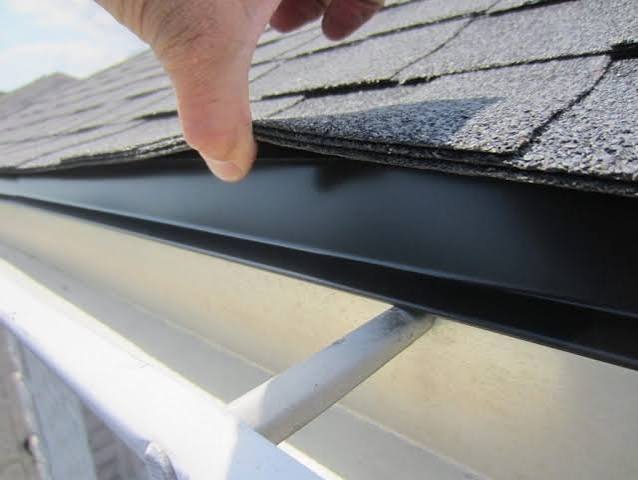
A roof drip edge is a relatively small piece of metal installed along the edges of a roof. Although it may not attract much attention, it performs an important job: helping direct rainwater away from the roof decking, fascia, and other materials near the roof edge.
Without a properly installed roof drip edge, water may have more opportunity to wrap underneath roofing materials or repeatedly contact wood components along the eaves and rakes.
Over time, that moisture exposure can contribute to staining, deterioration, peeling paint, damaged fascia, or other moisture-related roofing problems.
Understanding what a roof drip edge does, where it is installed, and what can happen when it is damaged can help homeowners better understand how their roofing system protects the home.
What Is a Roof Drip Edge?
A roof drip edge is a metal flashing component installed along the outer edges of a roof.
It is generally placed along the:
- Eaves
- Rakes
- Roof perimeter
- Areas where roofing materials meet the roof edge
The metal extends slightly beyond the edge of the roof, creating a pathway that encourages rainwater to move away from the underlying wood components.
In simple terms, the roof drip edge helps prevent water from following the underside of the roofing material and reaching places where moisture should not remain.
Although it is small compared with shingles or roof decking, the roof drip edge is part of the overall water-management system of the roof.
Why Does a Roof Drip Edge Matter?
Water naturally follows surfaces.
When rain moves down a roof, it reaches the lower edge of the shingles. Without the proper edge detail, some water may cling to the underside of the roof covering instead of dropping cleanly into the gutter or away from the structure.
A properly installed roof drip edge creates a defined edge that helps water separate from the roof.
This seemingly simple function can help protect several important roofing components.
A roof drip edge can help reduce moisture exposure around:
- Roof decking
- Fascia boards
- Roof edges
- Underlayment
- Eaves
- Gutter areas
That makes the roof drip edge a small component with an important role.
How Does a Roof Drip Edge Work?
As rainwater flows down the shingles, gravity directs it toward the edge of the roof.
The roof drip edge extends slightly outward and downward.
This shape encourages water to leave the roofing surface instead of curling underneath the edge.
Think about pouring water from a container with a well-defined pouring lip. The lip helps direct the water outward.
A roof drip edge works on a similar principle.
Instead of allowing water to cling to the underside of shingles or roof decking, the metal edge encourages the water to fall away from those surfaces.
When gutters are present, the roof drip edge can also help guide water toward the gutter system.
Where Is Roof Drip Edge Installed?
A roof drip edge is generally installed along the perimeter of the roofing system.
Two important locations are the eaves and rakes.
Eaves
The eaves are the lower horizontal edges of the roof.
This is typically where gutters are installed.
A roof drip edge at the eaves helps direct water toward or into the gutter system rather than allowing it to contact the fascia behind the gutter.
Rakes
Rakes are the sloped edges located along the sides of certain roof sections.
A roof drip edge along these areas helps prevent wind-driven rain from reaching underneath the roofing material near the edge.
Both locations are important because roof edges experience significant exposure to weather.
Roof Drip Edge Helps Protect Fascia Boards
One of the primary areas protected by a roof drip edge is the fascia.
Fascia boards run along the roof edge and often support the gutter system.
When rainwater repeatedly reaches the fascia, moisture exposure may contribute to:
- Peeling paint
- Discoloration
- Swelling
- Soft wood
- Rot
- Deterioration
The roof drip edge helps create separation between flowing rainwater and the fascia.
Without that separation, water may continually run across or behind the fascia during storms.
Even small amounts of repeated moisture exposure can eventually become a larger maintenance issue.
Roof Drip Edge Helps Protect Roof Decking
Roof decking provides the structural surface beneath the roofing materials.
Typically made from plywood or oriented strand board, decking should remain protected from ongoing moisture exposure.
A damaged, missing, or improperly positioned roof drip edge may allow water to reach vulnerable portions of the roof decking near the perimeter.
Repeated moisture can eventually cause wood materials to:
- Swell
- Warp
- Soften
- Delaminate
- Deteriorate
The roof drip edge provides another layer of protection around these vulnerable roof edges.
What Happens If a Roof Has No Drip Edge?
A roof without a properly functioning roof drip edge may be more vulnerable to moisture problems around its perimeter.
Possible issues can include:
- Water wrapping underneath shingles
- Wet fascia
- Moisture near roof decking
- Peeling exterior paint
- Staining
- Wood deterioration
- Water getting behind gutters
The severity of the problem depends on the roof design, rainfall, gutter installation, flashing details, and other conditions.
A missing roof drip edge does not necessarily mean immediate roof failure, but it removes an important water-management component.
Can a Missing Roof Drip Edge Cause Leaks?
Potentially.
A missing roof drip edge does not automatically create an interior roof leak, but it can increase moisture exposure around roof edges.
Water may reach:
- Roof decking
- Fascia
- Soffits
- Underlayment
- Exterior trim
Over time, repeated moisture intrusion may contribute to deterioration that makes leaking more likely.
If you notice water damage near the roof perimeter, the roof drip edge should be one of several components evaluated during a professional roof inspection.
What Does a Roof Drip Edge Look Like?
A roof drip edge is typically made from thin metal formed into an angled profile.
From the ground, you may see a narrow strip of metal running along the roof perimeter beneath the shingles.
Common materials may include:
- Aluminum
- Galvanized steel
- Other corrosion-resistant metals
The exact profile can vary depending on the roofing system and installation requirements.
Although the roof drip edge may appear simple, proper placement is important for it to perform correctly.
Roof Drip Edge and Gutters Work Together
Many homeowners assume gutters alone control all the water at the roof edge.
In reality, the roof drip edge and gutters perform different but complementary jobs.
The roof drip edge helps water leave the roofing surface cleanly.
The gutter then collects that water and directs it toward downspouts.
When these components are working correctly, rainwater follows a controlled path:
Roof → roof drip edge → gutter → downspout → away from the structure
Problems can occur if any part of this drainage path is damaged or poorly positioned.
For example, if the gutter sits too far away from the roof drip edge, water may pass between the gutter and fascia.
Similarly, clogged gutters can allow water to overflow even when the roof drip edge itself is functioning properly.
Can Drip Edge Prevent Water From Getting Behind Gutters?
A correctly installed roof drip edge can help reduce the chance of water running behind gutters.
The metal should direct water outward so it falls into the gutter rather than following the fascia.
If you notice water running behind your gutters during rain, several issues may be involved:
- Gutter positioning
- Gutter damage
- Clogged gutters
- Improper roof drip edge placement
- Missing flashing
- Roof edge deterioration
A professional inspection can determine whether the roof drip edge is contributing to the problem.
Roof Drip Edge and Wind-Driven Rain
Heavy rain does not always fall straight downward.
Wind can push rain toward roof edges and underneath vulnerable areas.
A roof drip edge helps protect the perimeter where wind-driven rain may otherwise reach beneath roofing materials.
This is especially important because roof edges often experience stronger wind forces than interior sections of the roof.
However, the roof drip edge works as part of a larger roofing system.
Shingles, underlayment, flashing, gutters, and proper installation all contribute to keeping water outside the home.
What Are Signs of a Drip Edge Problem?
Homeowners may not always be able to identify a damaged roof drip edge from the ground.
However, some warning signs near the roof perimeter may deserve professional attention.
Watch for:
- Water running behind gutters
- Stained fascia
- Peeling paint
- Soft or deteriorated wood
- Loose metal along the roof edge
- Visible gaps
- Rusted or bent flashing
- Water staining near soffits
- Roof-edge moisture problems
These symptoms do not automatically mean the roof drip edge is the only problem.
A roofing inspection can help identify the actual source.
Can Roof Drip Edge Become Damaged?
Yes.
A roof drip edge is exposed to the weather year-round.
Potential causes of damage include:
- Strong winds
- Falling branches
- Improper gutter installation
- Physical impact
- Corrosion
- Poor installation
- Previous roofing repairs
- Aging exterior components
Damage may cause sections of the roof drip edge to bend, loosen, separate, or become improperly aligned.
Because the component works by directing water precisely, even small installation problems may affect drainage.
Can You Replace a Roof Drip Edge?
Depending on the roofing system and condition of surrounding materials, sections of roof drip edge may sometimes be repaired or replaced.
However, the installation can interact with shingles, underlayment, fascia, and gutters.
For that reason, homeowners should avoid simply pulling off or bending metal components at the roof edge.
A roofing professional can determine the appropriate way to address damaged roof drip edge without creating another potential water entry point.
Should Drip Edge Be Installed When a Roof Is Replaced?
Roof replacement is an important opportunity to evaluate all edge flashing and drainage components.
The roof drip edge should be examined as part of the roofing system rather than treating shingles as the only important material.
During a roof replacement, roofing professionals may evaluate:
- Roof decking
- Underlayment
- Shingles
- Flashing
- Pipe boots
- Valleys
- Roof vents
- Roof drip edge
- Gutters
- Fascia
A complete roofing system depends on all of these components working together.
Is Drip Edge the Same as Flashing?
A roof drip edge is a type of flashing, but not all roof flashing is drip edge.
Flashing is a broad term for materials designed to direct water away from vulnerable roof transitions.
Other flashing may be installed around:
- Chimneys
- Skylights
- Walls
- Valleys
- Roof penetrations
The roof drip edge specifically protects areas along the roof perimeter.
Understanding the difference helps homeowners recognize that roofing systems use several different flashing details to control water.
Why Small Roofing Components Matter
Roofing systems are made up of many layers.
A homeowner may focus primarily on shingles because they cover most of the visible roof, but smaller components such as the roof drip edge can be just as important in specific locations.
Other small but important components include:
- Pipe boots
- Flashing
- Ridge caps
- Underlayment
- Fasteners
- Ventilation components
A roofing system performs best when all of its parts work together.
The roof drip edge is a perfect example of how something relatively small can help protect a much larger area.
Should Homeowners Inspect Their Roof Drip Edge?
Homeowners can visually check roof edges from the ground.
Never climb onto the roof simply to inspect the roof drip edge.
Look for obvious changes such as:
- Bent metal
- Loose sections
- Gaps
- Water running behind gutters
- Fascia staining
- Damaged gutters
Binoculars or a phone camera zoom may help you inspect areas from a safe location.
If something looks unusual, schedule a professional roof inspection.
Stay on the ground and leave close-up roof inspection to trained roofing professionals.
Check Drip Edge After Severe Weather
Strong winds, heavy rain, hail, and falling branches can affect roof-edge components.
After significant weather, inspect your property safely from the ground.
Look for:
- Bent roof drip edge
- Missing shingles
- Loose gutters
- Damaged fascia
- Fallen branches
- Roofing debris
- Interior ceiling stains
Remember that visible damage is not always the only damage.
If severe weather has affected your property, a professional inspection can evaluate the roof drip edge along with shingles, flashing, gutters, and other vulnerable components.
Why Professional Roof Inspections Matter
Roof problems are not always isolated.
What appears to be a roof drip edge problem may actually involve gutters, shingles, flashing, fascia, or underlying roof decking.
A professional inspection may evaluate:
- Roof edges
- Drip edge
- Shingles
- Flashing
- Gutters
- Fascia
- Soffits
- Valleys
- Roof penetrations
- Accessible attic areas
This broader inspection helps determine where water is actually coming from rather than relying only on the most visible symptom.
Can Improper Drip Edge Installation Cause Problems?
Yes.
The roof drip edge needs to be positioned correctly in relation to the roofing materials and water drainage path.
If improperly installed, water may not move where intended.
Potential issues may include:
- Water getting behind gutters
- Moisture reaching fascia
- Exposed roof-edge materials
- Poor drainage
- Water reaching wood components
Because roof systems differ, installation should follow applicable manufacturer instructions and building requirements.
Does Every Roof Need the Same Drip Edge?
No.
Roof designs vary, and the exact roof drip edge profile, size, placement, and installation method may depend on several factors.
These can include:
- Roofing material
- Roof design
- Local requirements
- Gutter configuration
- Eave construction
- Manufacturer specifications
This is another reason homeowners should avoid treating all roof-edge details as identical.
A roofing professional can evaluate what is appropriate for a particular home.
Roof Drip Edge and Long-Term Roof Maintenance
Keeping roofing components in good condition can help reduce unexpected problems.
While inspecting or maintaining a roof, homeowners and roofing professionals should not overlook the roof drip edge simply because it is small.
Roof maintenance may include monitoring:
- Shingle condition
- Gutters
- Flashing
- Roof drip edge
- Pipe boots
- Roof vents
- Chimneys
- Skylights
- Fascia and soffits
Finding problems early may allow repairs before moisture affects additional parts of the home.
When Should You Call a Roofing Professional?
Consider scheduling a professional inspection if you notice:
- Damaged roof-edge metal
- Water behind gutters
- Rotting fascia
- Roof leaks
- Missing shingles
- Loose gutters
- Moisture near soffits
- Storm-related roof damage
The roof drip edge may be involved, but a complete inspection can determine whether another roofing component is responsible.
Schedule a Roof Inspection
The roof drip edge may be one of the smallest visible components on your roofing system, but it performs an important job.
It helps move water away from vulnerable roof edges and reduces repeated moisture exposure to fascia, roof decking, and other materials.
If you notice damaged flashing, water behind gutters, deteriorated fascia, missing shingles, or another roofing concern, consider scheduling a professional roof inspection.
Insured Roofs can evaluate your roofing system and help identify areas that may need attention.
Schedule Your Roof Inspection Today
Concerned about your roof drip edge or another roofing component?
Schedule a roof inspection with Insured Roofs today.
A professional inspection can help determine whether the roof drip edge, shingles, flashing, gutters, or surrounding roofing materials require repair.
Frequently Asked Questions About Roof Drip Edge
What is a roof drip edge?
A roof drip edge is a metal flashing component installed around roof edges. It helps direct rainwater away from fascia, roof decking, and other vulnerable materials.
What does roof drip edge do?
The roof drip edge creates a defined edge that encourages water to fall away from the roofing system rather than curling underneath shingles or reaching wood components.
Is roof drip edge important?
Yes. Although it is small, the roof drip edge plays an important role in water management around the roof perimeter.
Can a roof leak without drip edge?
A missing or damaged roof drip edge can increase moisture exposure around roof edges. Whether that results in an interior leak depends on the overall roofing system and weather conditions.
Does drip edge go into the gutter?
A roof drip edge is generally positioned so water leaving the roof can be directed toward the gutter system. The exact configuration depends on roof and gutter construction.
Why is water running behind my gutters?
Possible causes include gutter positioning, clogged gutters, damage, or problems involving the roof drip edge. A professional inspection can determine the source.
Can drip edge protect fascia?
Yes. One of the primary purposes of roof drip edge is helping keep flowing rainwater away from fascia boards and roof-edge wood.
Can drip edge protect roof decking?
The roof drip edge helps reduce water exposure around the outer edges of roof decking by directing water away from vulnerable perimeter areas.
What happens if drip edge is damaged?
A damaged roof drip edge may not direct water properly. This can increase moisture exposure around gutters, fascia, roof decking, or other roof-edge materials.
Can wind damage drip edge?
Strong winds and flying debris can potentially bend, loosen, or damage a roof drip edge, particularly around exposed sections of the roof.
Should I inspect drip edge after a storm?
Yes, but only from the ground. Look for bent or loose metal, gutter damage, fascia staining, or other visible changes. Never climb onto a storm-damaged roof to inspect the roof drip edge yourself.
Is drip edge the same thing as roof flashing?
A roof drip edge is one specific type of flashing. Other flashing is used around chimneys, skylights, roof valleys, walls, and penetrations.
Can you replace damaged drip edge?
In many situations, damaged roof drip edge can be addressed by a roofing professional. The appropriate repair depends on surrounding shingles, underlayment, gutters, and roof-edge construction.
Do I need drip edge if I have gutters?
Gutters and roof drip edge serve different purposes. The drip edge helps water leave the roofing surface, while gutters collect and carry that water toward downspouts.
Should drip edge be checked during a roof replacement?
Yes. The roof drip edge and other flashing components should be evaluated when the roofing system is being replaced.
Final Thoughts
The roof drip edge is easy to overlook because it is small, simple, and partially hidden beneath roofing materials.
But its job is important.
By helping water move cleanly away from the roof perimeter, the roof drip edge helps protect fascia, decking, underlayment, and other vulnerable areas from repeated moisture exposure.
Problems with a roof drip edge may not create an immediate interior leak. Instead, homeowners may first notice water running behind gutters, staining on fascia, peeling paint, deteriorating wood, or other moisture problems around the roof edge.
That is why small roofing components should not be ignored.
If your roof drip edge appears bent, loose, damaged, or improperly positioned—or if you notice unexplained water around your roof edges—schedule a professional inspection rather than attempting to repair the area yourself.
Stay on the ground. Never climb onto a wet, damaged, or storm-affected roof.
A complete roofing system depends on shingles, flashing, gutters, underlayment, ventilation, and the roof drip edge working together to protect your home.
Insured Roofs — We Protect What Protects You.
Roofing information provided here is for educational purposes.