
What to Do When Strong Winds Leave Shingles Missing From Your Roof
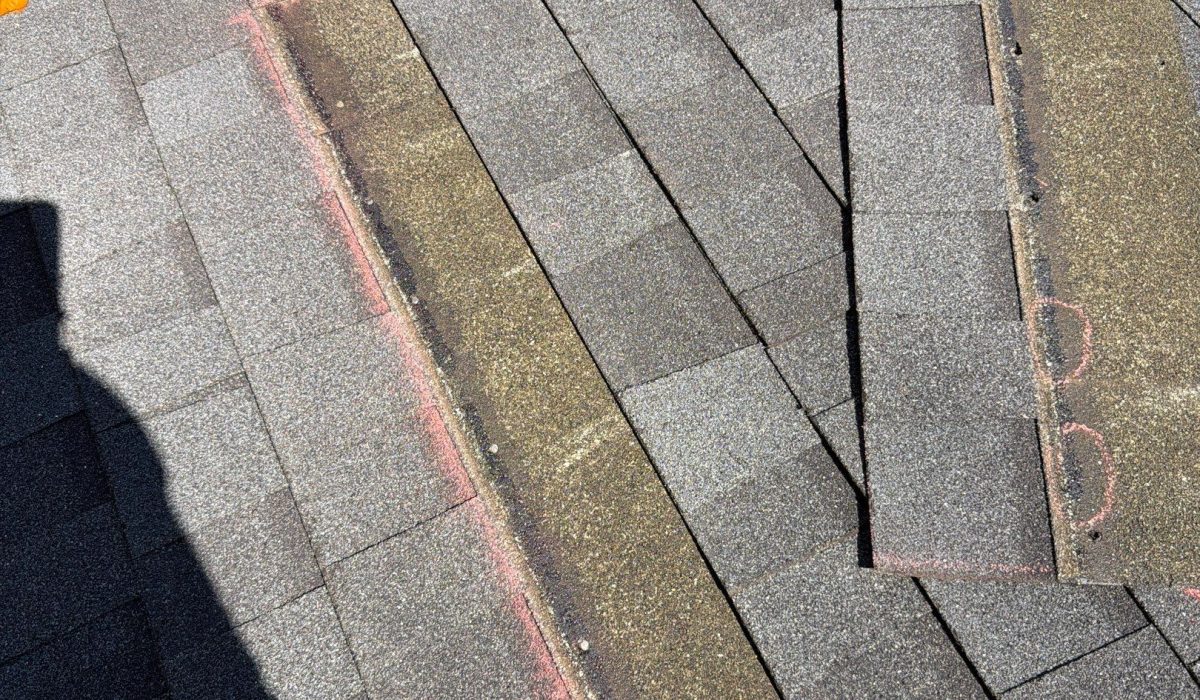
Finding missing shingles after wind can be concerning, especially after a strong storm or a night of heavy gusts. You may notice shingles in your yard, exposed areas on the roof, loose roofing materials, or pieces of shingles near your gutters and driveway.
While one or two missing shingles may not look like a major problem, missing shingles after wind can leave parts of your roofing system more vulnerable to rain, moisture, and additional wind damage.
Shingles are designed to work together as a protective layer. When one section is removed or lifted, the roofing materials underneath may become exposed. If another storm arrives before repairs are completed, water may have an easier path into the roof system.
If you discover missing shingles after wind, the safest approach is to stay on the ground, document what you can see, check the inside of your home for signs of moisture, and schedule a professional roof inspection.
This guide explains why shingles can come loose, what missing shingles after wind may mean for your roof, what homeowners should check, and when professional repairs may be necessary.
Why Do Shingles Blow Off a Roof?
Several factors can contribute to missing shingles after wind.
Shingles are installed to resist normal weather conditions, but strong winds can place significant pressure on roof edges, corners, ridges, and other exposed areas.
Wind can move across the roof surface and create uplift beneath shingles.
If the shingle seal is weakened, improperly bonded, aged, or already damaged, wind may lift it farther.
Eventually, the shingle can tear, crack, loosen, or blow off entirely.
Common factors behind missing shingles after wind include:
- Strong wind gusts
- Severe thunderstorms
- Aging shingles
- Improper installation
- Weak adhesive seals
- Previous storm damage
- Loose roofing nails
- Brittle shingles
- Damaged roof edges
- Falling tree branches
Sometimes the shingles that blow away were already weakened before the storm occurred.
That is why missing shingles after wind can be a sign that the roof deserves a broader inspection rather than only replacing the visible missing pieces.
Are Missing Shingles After Wind an Emergency?
The level of urgency depends on how much of the roof is exposed and whether water is entering the home.
However, missing shingles after wind should not be ignored.
Even when there is no active leak, the missing roofing material may expose:
- Underlayment
- Roof decking
- Nail heads
- Shingle seams
- Adjacent roofing materials
These components are not intended to remain exposed indefinitely.
If rainfall follows the wind event, missing shingles after wind may increase the risk of moisture reaching deeper layers of the roofing system.
A professional inspection can help determine whether the problem is limited to a few shingles or whether additional wind damage is present.
Can One Missing Shingle Cause a Roof Leak?
Potentially.
One area of missing shingles after wind may expose a vulnerable point in the roofing system.
Whether a leak occurs depends on factors such as:
- Location of the missing shingle
- Condition of the underlayment
- Roof slope
- Amount of rainfall
- Wind direction
- Surrounding shingle condition
A missing shingle does not guarantee that water will immediately enter the home, but it reduces part of the roof’s protective covering.
If several areas have missing shingles after wind, the risk may become greater.
This is why homeowners should not wait for an interior leak before having the roof evaluated.
Wind Can Damage Shingles Without Removing Them
One important thing homeowners should know is that visible missing shingles after wind may not be the only storm-related problem.
Wind can also damage shingles that remain attached.
Potential signs include:
- Lifted shingles
- Creased shingles
- Torn shingles
- Loose tabs
- Broken edges
- Exposed nails
- Damaged adhesive seals
A shingle can appear normal from the ground while its seal has been weakened.
During future wind or rain, that weakened shingle may move again.
Therefore, if you find missing shingles after wind, a professional roof inspection can help identify less obvious damage in surrounding areas.
What Should Homeowners Do First?
If you notice missing shingles after wind, start with safety.
Do not climb onto the roof.
Wind-damaged roofing materials can be loose, slippery, or unstable. Roof damage may also exist in areas that are not visible from below.
Instead, take the following steps.
1. Inspect the Roof From the Ground
Walk around the property and look upward from a safe location.
You may be able to see:
- Bare roof sections
- Uneven shingle lines
- Missing tabs
- Lifted materials
- Damaged ridge caps
- Fallen branches
- Roofing debris
Use binoculars or your phone camera zoom if you need a closer look.
Do not use a ladder simply to confirm missing shingles after wind.
The goal is to observe without putting yourself at risk.
2. Look Around Your Yard
Another clue is roofing material on the ground.
Check your:
- Lawn
- Driveway
- Landscaping
- Gutters
- Deck
- Sidewalk
Shingle pieces or entire shingles may indicate missing shingles after wind.
However, finding a shingle in the yard does not always tell you exactly where it came from.
It could belong to your roof or, in closely spaced neighborhoods, potentially another nearby roof.
A professional inspection can confirm the source.
3. Check Inside Your Home
After finding missing shingles after wind, inspect the interior for possible signs of water intrusion.
Look for:
- Ceiling stains
- Wet drywall
- Damp walls
- Bubbling paint
- Peeling paint
- Musty odors
- Water dripping
- Discoloration
Even if you do not see interior damage, the roof should still be checked.
Water can sometimes remain hidden in roof decking or insulation before appearing inside the living area.
4. Check the Attic If It Is Safe
If you have safe access to the attic, look for signs of moisture after discovering missing shingles after wind.
Potential warning signs include:
- Wet insulation
- Dark roof decking
- Damp rafters
- Water stains
- Active dripping
- Moisture around penetrations
Avoid electrical wiring and unstable attic areas.
Also remember that the location of moisture in the attic may not be directly beneath the missing shingles.
Water can travel along roof components before dripping.
5. Document What You Can See
Take photos or video of visible missing shingles after wind from the ground.
You may also document:
- Shingles in the yard
- Fallen branches
- Ceiling stains
- Interior water damage
- Damaged gutters
- Exterior debris
Documentation can help you keep track of changes and provide useful information to a roofing contractor.
If insurance becomes involved, your carrier will determine whether the damage qualifies for coverage under your specific policy.
Why Missing Shingles Should Be Repaired
The main purpose of roofing shingles is to help shed water away from the structure.
When you have missing shingles after wind, the layered protection of the roofing system has been interrupted.
Continued exposure may affect:
- Underlayment
- Roof decking
- Fasteners
- Adjacent shingles
- Attic insulation
- Interior ceilings
Replacing damaged shingles early may help prevent a localized roofing problem from turning into a larger repair.
Can Rain Get Under Missing Shingles?
Yes.
Rain can potentially reach the materials beneath areas with missing shingles after wind.
Modern roofing systems typically include underlayment beneath the shingles, which provides another protective layer.
However, underlayment is not intended to serve as the long-term exterior roof surface.
Repeated exposure to rain, sunlight, wind, and temperature changes may reduce its effectiveness.
If missing shingles after wind leave underlayment exposed, scheduling a repair promptly is usually better than relying on the underlayment alone.
Can Missing Shingles Damage Roof Decking?
If water reaches the roof decking repeatedly, the wood may absorb moisture.
Over time, this can contribute to:
- Swelling
- Warping
- Softening
- Delamination
- Rot
This does not happen instantly after every case of missing shingles after wind, but delaying repairs can give rain more opportunities to enter vulnerable areas.
Roof decking repairs are generally more involved than replacing a few shingles.
Catching the problem early may help limit the scope of repairs.
Can Missing Shingles Cause Interior Water Damage?
Yes.
If missing shingles after wind allow water into the roofing system, moisture may eventually travel through:
- Roof decking
- Rafters
- Insulation
- Ceiling materials
- Walls
Homeowners may first notice a brown ceiling stain or bubbling paint.
By the time visible water appears indoors, moisture may already have traveled through multiple building materials.
That is why waiting for obvious interior water damage is not the best way to determine whether missing shingles after wind require attention.
How Wind Speed Affects Roof Shingles
Shingle performance can vary depending on:
- Shingle type
- Installation quality
- Roof age
- Exposure
- Roof shape
- Existing damage
- Wind direction
Strong gusts can create different pressure levels across a roof.
Roof corners, edges, and ridges may experience particularly strong uplift.
However, homeowners should avoid assuming that a specific wind speed automatically caused or did not cause roof damage.
If there are visible missing shingles after wind, an inspection provides better information than relying only on reported wind speed.
Are Older Roofs More Vulnerable to Wind Damage?
Aging can make some roofing materials more vulnerable.
Over time, shingles may:
- Become brittle
- Lose granules
- Develop cracks
- Experience seal deterioration
- Become easier to lift
Older roofing systems may therefore be more likely to experience missing shingles after wind, particularly if there was already wear before the storm.
However, newer roofs can also experience wind damage if shingles were improperly installed or subjected to severe weather.
Can Missing Shingles Be Replaced Individually?
Sometimes.
If missing shingles after wind are limited to a small area and the surrounding roof remains in good condition, individual shingles may be replaceable.
The roofing contractor will typically consider:
- Roof age
- Shingle availability
- Extent of damage
- Underlayment condition
- Decking condition
- Surrounding shingle condition
Matching older shingles can also be difficult because colors change over time from sun exposure and weathering.
Does Missing Shingles Mean You Need a New Roof?
Not necessarily.
Finding missing shingles after wind does not automatically mean the entire roof needs replacement.
A repair may be appropriate if damage is localized.
However, replacement may be considered if the inspection reveals:
- Widespread damage
- Extensive aging
- Numerous missing shingles
- Significant decking problems
- Repeated repairs
- Multiple areas of deterioration
The correct solution depends on the overall condition of the roofing system.
What About Roof Flashing?
Wind damage can affect more than shingles.
After noticing missing shingles after wind, roofing professionals may also inspect flashing around:
- Chimneys
- Skylights
- Valleys
- Walls
- Roof vents
Loose flashing can allow rainwater into vulnerable roof transitions.
A storm inspection should therefore evaluate the broader roofing system rather than concentrating only on the obvious missing shingles.
Check Gutters After Strong Winds
Strong wind can also affect gutters and downspouts.
Check from the ground for:
- Loose gutters
- Bent sections
- Detached downspouts
- Roofing debris
- Excessive shingle granules
If missing shingles after wind occurred during a severe storm, damage to drainage components may also be present.
Proper drainage helps direct water away from roof edges and the home’s foundation.
Trees Can Cause Additional Roof Damage
Falling branches can loosen or remove shingles during windy weather.
Even branches that do not puncture the roof may scrape the roofing surface.
After finding missing shingles after wind, look for:
- Fallen branches
- Broken limbs
- Debris on the roof
- Damaged gutters
- Scraped roofing materials
Stay on the ground when checking.
If a large tree or branch is resting on the roof, avoid the area and contact qualified professionals.
Should You Cover Missing Shingles Yourself?
Homeowners may be tempted to climb onto the roof with a tarp after seeing missing shingles after wind.
This can be dangerous.
Wind-damaged roofs may contain loose shingles or weakened areas, and ladders can be hazardous during wet or windy conditions.
Professional emergency tarping may be appropriate when severe damage has exposed the roofing system and permanent repairs cannot be completed immediately.
Temporary tarping should not be considered a permanent repair.
Should You Call a Roofer If There Is No Leak?
Yes, if you can clearly see missing shingles after wind, scheduling an inspection is still worthwhile.
The absence of a visible leak does not confirm that the roofing system is undamaged.
Underlayment may temporarily prevent water from reaching the interior, or moisture may not yet have traveled far enough to become visible.
An inspection can determine whether repairs are needed before the next rainfall.
How Soon Should Missing Shingles Be Repaired?
It is generally better to address missing shingles after wind promptly.
Waiting exposes the affected roofing area to additional:
- Rain
- Wind
- Sunlight
- Temperature changes
Another storm could also loosen surrounding shingles.
The sooner the roof is inspected, the sooner homeowners can understand whether the problem is localized or more extensive.
What Should a Roof Inspection Include?
When evaluating missing shingles after wind, a roofing contractor may check:
- Missing shingles
- Lifted shingles
- Creased shingles
- Broken shingles
- Ridge caps
- Flashing
- Roof valleys
- Pipe boots
- Vent penetrations
- Gutters
- Roof edges
- Decking where visible
- Accessible attic areas
The purpose is to identify both obvious and less visible roofing problems.
What About Insurance?
Some homeowners discover missing shingles after wind after a documented weather event and wonder whether homeowners insurance will cover repairs.
Coverage depends on:
- Your policy
- Cause of damage
- Exclusions
- Deductible
- Age and condition of the roof
- Insurance carrier evaluation
A roofing contractor can inspect and document visible roof conditions.
However, your insurance carrier determines coverage.
Insured Roofs is not a public adjuster.
How Can Homeowners Reduce Future Wind Damage?
Not every wind event can be prevented, but regular maintenance may help identify roofing weaknesses earlier.
Consider:
- Scheduling periodic roof inspections
- Addressing loose shingles promptly
- Maintaining flashing
- Keeping gutters secure
- Trimming hazardous tree branches
- Checking roof edges after storms
- Monitoring older roofing materials
If your home has experienced missing shingles after wind before, periodic inspection may be especially useful.
When Should You Contact a Roofing Contractor?
Consider scheduling an inspection if you notice:
- Missing shingles after wind
- Shingle pieces in your yard
- Lifted or uneven shingles
- Ceiling stains
- Water leaks
- Damaged flashing
- Fallen branches
- Damaged gutters
- Roofing debris after a storm
If active water is entering your home, contacting a roofer promptly may help reduce additional damage.
Schedule a Professional Roof Inspection
If you have discovered missing shingles after wind, do not assume the rest of the roof is unaffected.
Wind can loosen shingles, damage adhesive seals, affect flashing, and expose underlying roofing materials.
A professional inspection can help determine whether you need a small repair or whether additional roofing damage is present.
Insured Roofs provides professional roof inspections, roof repair, storm restoration, and emergency tarp services throughout Northern Virginia and the DMV.
Schedule Your Roof Inspection Today
Have missing shingles after wind or another sign of storm-related roof damage?
Schedule your roof inspection with Insured Roofs today.
Our team can evaluate visible roofing conditions, identify damaged areas, and explain appropriate next steps based on the condition of your roof.
Serving Arlington, Falls Church, Alexandria, Fairfax, Stafford, Fredericksburg, and surrounding Northern Virginia communities.
Frequently Asked Questions About Missing Shingles After Wind
What should I do if I see missing shingles after wind?
If you notice missing shingles after wind, stay off the roof. Photograph visible damage from the ground, check inside your home for moisture, and schedule a professional roof inspection.
Can missing shingles cause a roof leak?
Yes. Missing shingles after wind may expose underlayment and other roofing components, potentially allowing rainwater into vulnerable areas.
Is one missing shingle a serious problem?
One missing shingle may represent a localized problem, but it should still be inspected. It can also indicate that surrounding shingles were affected by the same wind event.
Should I repair missing shingles immediately?
It is generally wise to address missing shingles after wind promptly so the exposed area does not remain vulnerable to additional rain and weather.
Can wind damage shingles without blowing them off?
Yes. Wind may lift, crease, crack, or loosen shingles without removing them completely. That is why a professional inspection can be helpful after discovering missing shingles after wind.
Should I climb onto my roof to replace a shingle?
No. Roof work can be dangerous, particularly after a storm. Stay on the ground and leave close-up inspection and repairs to trained professionals.
Can missing shingles expose roof decking?
Potentially. The underlayment may remain beneath the missing shingles, but continued exposure and water intrusion can eventually affect roof decking.
Does a missing shingle mean I need a new roof?
No. Missing shingles after wind do not automatically mean full roof replacement is necessary. The appropriate solution depends on roof age, overall condition, and the extent of damage.
How do I know whether wind damaged my roof?
Signs may include missing shingles after wind, lifted shingles, creases, damaged ridge caps, roofing debris, leaks, or damaged flashing.
Can wind damage an older roof more easily?
Older shingles may become more brittle or lose adhesion over time, potentially making them more vulnerable during strong wind events.
Can roof damage appear days after a storm?
Yes. Some roofing damage becomes noticeable only after later rainfall. Missing shingles after wind may expose an area that does not leak until the next storm.
Should I inspect my attic after shingles blow off?
If your attic is safely accessible, you can look for moisture, dark decking, wet insulation, or active dripping. Avoid electrical wiring and unsafe areas.
Does homeowners insurance cover missing shingles after wind?
Coverage depends on your specific policy, cause of damage, exclusions, deductible, and your insurance carrier’s evaluation. Your carrier determines coverage.
Can a roofer document storm damage?
Yes. A roofing contractor can inspect and document visible roofing conditions, including missing shingles after wind, but the insurance carrier makes coverage decisions.
Final Thoughts
Finding missing shingles after wind is a sign that your roofing system deserves attention.
Even a small exposed section can leave underlying materials more vulnerable to rain, sunlight, and future storms.
Remember that visible missing shingles after wind may not be the only damage. Strong gusts can also lift, crease, loosen, or weaken shingles that remain attached.
Stay safely on the ground, document visible conditions, check your home for signs of moisture, and avoid attempting rooftop repairs yourself.
A professional inspection can help determine whether missing shingles after wind require a localized repair or whether other parts of the roof were affected.
Taking action early can help prevent a relatively small roofing problem from developing into more extensive water or structural damage.
Insured Roofs — We Protect What Protects You.
Your insurance carrier determines coverage. Insured Roofs is not a public adjuster. Roofing and insurance information provided here is for educational purposes.