A Homeowner’s Guide to Checking Your Property After Severe Weather in Arlington 
Heavy rain, strong wind, hail, and falling branches can put significant stress on a home’s roof and exterior. After severe weather passes, homeowners may wonder whether their property was damaged or whether everything is still functioning as it should.
The challenge is that storm damage in Arlington is not always obvious from the ground.
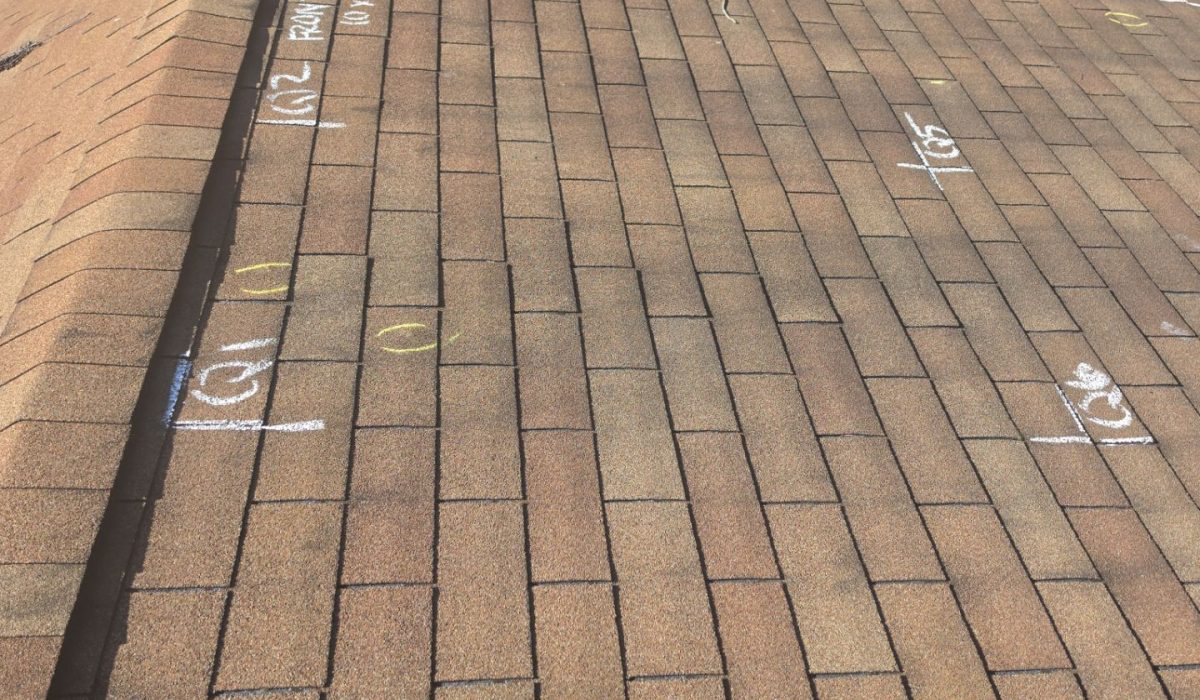
A roof may appear normal while shingles have been lifted, flashing has loosened, gutters have shifted, or water has entered around a roof penetration. In other situations, the first visible warning sign may appear indoors as a ceiling stain days after the storm.
Knowing what to check after heavy weather can help homeowners identify possible storm damage in Arlington earlier and decide when a professional roof inspection may be appropriate.
The most important rule is safety: stay on the ground. Never climb onto a wet or storm-damaged roof. Instead, inspect what you can safely see from around your property and leave close-up evaluations to trained roofing professionals.
This guide explains what Arlington homeowners should check after severe weather, which warning signs may indicate storm damage in Arlington, and when it makes sense to schedule a professional inspection.
Why Should You Inspect Your Home After Heavy Weather?
Heavy weather can affect multiple parts of a home’s exterior, even when there is no immediate leak.
Potential storm damage in Arlington may involve:
- Roofing shingles
- Roof flashing
- Gutters and downspouts
- Roof vents
- Chimneys
- Skylights
- Siding
- Fascia
- Soffits
- Trees and branches
- Attic spaces
- Interior ceilings
A quick visual inspection from the ground after significant weather may help you notice changes before the next storm arrives.
The goal is not to diagnose every roofing problem yourself. Instead, homeowners should look for visible warning signs of storm damage in Arlington and arrange a professional evaluation when something appears unusual.
1. Check for Missing Shingles
One of the easiest signs of storm damage in Arlington to identify from the ground is missing shingles.
Strong wind can lift shingles and, in some cases, remove them entirely.
Look for:
- Bare roof sections
- Uneven shingle patterns
- Exposed underlayment
- Shingles in your yard
- Roofing pieces around the driveway
- Missing ridge cap shingles
Even one missing shingle may leave part of the roofing system more vulnerable to rain.
If you notice missing shingles after a storm, schedule a roof inspection rather than climbing onto the roof to examine the area.
2. Look for Lifted or Uneven Shingles
Not all storm damage in Arlington involves shingles blowing completely off the roof.
Wind can lift shingles without removing them.
From the ground, you may notice:
- Raised edges
- Uneven shingle lines
- Tabs that appear lifted
- Sections that no longer lie flat
Lifted shingles may be more difficult to identify than missing shingles, especially on multi-story homes.
A shingle can also appear normal from below while its adhesive seal has been weakened.
This is one reason a professional inspection may be helpful after particularly strong wind events.
3. Check for Shingle Pieces Around the Property
Walk around your property and look for roofing materials on the ground.
Pieces of shingles may indicate storm damage in Arlington, particularly after strong winds.
Check:
- Grass
- Landscaping
- Driveways
- Decks
- Patios
- Sidewalks
- Gutter areas
Keep in mind that a loose shingle may not necessarily come from the part of the roof directly above where you found it.
Wind can carry roofing materials some distance.
4. Inspect Gutters From the Ground
Gutters play an important role in moving rainwater away from your roof and foundation.
Heavy storms can damage gutters or pull them away from the fascia.
Possible signs of storm damage in Arlington include:
- Sagging gutters
- Detached sections
- Bent gutters
- Loose downspouts
- Overflowing water
- Debris buildup
Check whether the gutter line still appears straight and securely attached.
A gutter that has shifted after heavy weather may not drain water correctly during the next rainfall.
5. Look for Excessive Shingle Granules
Asphalt shingles are covered with protective granules.
Some granule loss occurs naturally over time, especially as roofing materials age.
However, after hail or severe weather, homeowners may notice an unusual amount of granules around downspouts or gutters.
Excessive granule loss can sometimes be associated with storm damage in Arlington.
If you notice large amounts of granules after a weather event, consider having the roof evaluated.
6. Check Downspouts
Do not forget about downspouts when checking for storm damage in Arlington.
Strong wind, falling branches, or heavy debris can loosen downspouts.
Look for:
- Detached joints
- Bent sections
- Downspouts pulling away from the wall
- Blockages
- Water draining toward the foundation
Proper drainage is especially important after heavy rainfall.
Water should move away from your home’s foundation rather than collecting near the structure.
7. Look at Roof Flashing
Roof flashing helps keep water away from vulnerable intersections and penetrations.
Flashing is commonly found around:
- Chimneys
- Skylights
- Roof valleys
- Walls
- Vents
- Roof penetrations
Some flashing is difficult to inspect safely from the ground.
However, obvious loose or displaced metal may indicate storm damage in Arlington.
Do not climb onto the roof to push flashing back into place.
Improper temporary repairs can make leaks more difficult to diagnose later.
8. Check the Roof Valleys
Roof valleys are areas where two roof slopes meet.
Large amounts of water move through these areas during heavy rain.
Damage to shingles, flashing, or other materials in roof valleys may contribute to leaks.
Visible debris or unusual changes in a valley may be a sign of storm damage in Arlington.
Because roof valleys can be difficult to evaluate from the ground, consider professional inspection if severe weather recently affected your area.
9. Inspect Around the Chimney
Chimneys create several potential water entry points.
After severe weather, check for visible signs such as:
- Loose flashing
- Missing mortar
- Damaged chimney caps
- Debris
- Visible exterior deterioration
Chimney areas may become a source of water intrusion if storm damage in Arlington affects the connection between the chimney and roof.
Remember that water appearing near a chimney indoors does not always mean the leak started directly above the stain.
Water can travel through roof materials before becoming visible.
10. Check Skylights
Skylights should also be visually checked after significant storms.
Potential warning signs include:
- Water stains around the skylight
- Damp drywall
- Condensation that appears unusual
- Visible flashing problems
- Cracked exterior components
A skylight leak may result from damaged flashing or seals rather than the skylight itself.
If you suspect storm damage in Arlington around a skylight, professional inspection can help determine the source.
11. Inspect Roof Vents
Roof vents create penetrations through the roofing surface.
Heavy wind and flying debris may affect:
- Vent covers
- Flashing
- Fasteners
- Pipe boots
A damaged vent area may become a potential source of water intrusion.
Because some storm damage in Arlington is difficult to see from below, pay attention to interior signs around areas beneath roof vents.
12. Check Your Siding
Heavy weather does not only affect the roof.
Siding can also suffer storm damage in Arlington.
Look for:
- Loose siding panels
- Cracks
- Missing sections
- Dents
- Warping
- Detached trim
Wind can loosen siding, while hail may cause visible impact marks depending on the siding material.
Damage to exterior siding may also provide clues about the direction and severity of the weather event.
13. Look at Fascia and Soffits
Fascia and soffits sit along the roof edges and can be affected by wind-driven rain, falling branches, or damaged gutters.
Possible signs of storm damage in Arlington include:
- Loose fascia
- Peeling paint
- Broken soffit panels
- Water staining
- Sagging sections
Damage around roof edges should not be ignored because these components help protect the roofing system and attic.
14. Look for Fallen or Broken Tree Branches
Trees are another important part of a post-storm inspection.
Check for:
- Broken limbs
- Branches resting on the roof
- Scrapes on roofing materials
- Damaged gutters
- Debris buildup
Even if a branch did not puncture the roof, impact or scraping may cause storm damage in Arlington that deserves closer evaluation.
Large branches resting on a structure should be handled by qualified professionals.
Do not attempt to move heavy branches from the roof yourself.
15. Check for Hail Damage
Hail damage can be difficult for homeowners to identify safely from the ground.
Possible signs around the property include:
- Dents in gutters
- Dents in metal downspouts
- Marks on siding
- Damage to outdoor furniture
- Impact marks on exterior fixtures
These signs do not automatically prove that the roof is damaged, but they may indicate that the property experienced conditions capable of causing storm damage in Arlington.
A roofing professional can evaluate the shingles and other roofing components more closely.
16. Look for Ceiling Stains
Interior ceilings can reveal roofing problems that are not visible outside.
After heavy rain, check for:
- Brown stains
- Yellow rings
- Dark spots
- Damp drywall
- Bubbling paint
- Peeling paint
A ceiling stain may indicate water intrusion associated with storm damage in Arlington.
However, the damaged roofing area may not be directly above the stain.
Water can travel along roof decking, rafters, insulation, and framing before reaching the ceiling.
17. Check Walls for Moisture
Some roof leaks travel into wall cavities rather than appearing directly on the ceiling.
Check upper-floor walls for:
- Water stains
- Damp drywall
- Bubbling paint
- Discoloration
- Musty odors
Wall moisture after severe rain could be associated with storm damage in Arlington, damaged flashing, siding problems, or another exterior opening.
The source should be identified rather than simply repainting the damaged area.
18. Check Your Attic If It Is Safe
If your attic is safely accessible, you can look for visible signs of moisture.
Possible indicators of storm damage in Arlington include:
- Wet insulation
- Dark roof decking
- Damp rafters
- Water staining
- Active dripping
- Moisture around vents
Do not touch electrical wiring.
Avoid walking in areas without proper attic flooring or safe access.
If you are unsure, leave the attic inspection to a professional.
19. Look for Signs of Active Leaks
An active roof leak requires prompt attention.
Signs include:
- Water dripping from ceilings
- Wet insulation
- Water running down walls
- Damp ceiling fixtures
- New stains developing during rainfall
A leak may be caused by storm damage in Arlington, but the visible drip point does not necessarily reveal where water entered the roof.
Professional leak detection can help trace the water back to the source.
20. Pay Attention to Electrical Areas
Water near electrical equipment can create a serious safety concern.
If storm damage in Arlington leads to water intrusion near:
- Ceiling lights
- Fans
- Electrical outlets
- Wiring
- Electrical panels
avoid touching the area.
Seek appropriate professional assistance.
The roofing problem allowing water inside should also be addressed promptly.
Why Storm Damage Is Sometimes Hidden
One of the biggest challenges with storm damage in Arlington is that not every problem is immediately visible.
Wind may weaken shingle seals without removing the shingles.
Flashing can loosen slightly.
A small opening may allow water into the roofing system only during wind-driven rain.
Moisture may enter the attic without reaching the ceiling right away.
That means a roof can sometimes look fine from the street while hidden damage exists.
This is why professional inspections are useful after significant weather events, particularly when the property has experienced strong winds, hail, fallen branches, or heavy rain.
What Should You Not Do After a Storm?
When checking for storm damage in Arlington, homeowners should avoid several unsafe or ineffective actions.
Do not:
- Climb onto a wet roof
- Walk on potentially damaged shingles
- Use a ladder during windy conditions
- Attempt to remove large branches yourself
- Apply random sealant to suspected leaks
- Assume the visible ceiling stain is directly below the roof damage
- Ignore a leak because it stopped raining
Temporary patches applied to the wrong location may not correct the actual problem.
The safest approach is to document what you can from the ground and arrange a professional evaluation.
Should You Take Photos?
Yes.
After heavy weather, photograph any visible storm damage in Arlington from a safe location.
Useful photos may include:
- Missing shingles
- Roofing materials in the yard
- Broken branches
- Damaged gutters
- Siding damage
- Ceiling stains
- Interior water intrusion
Photos can help document changes in the property and provide useful information to a roofing contractor.
If an insurance claim becomes involved, your insurance carrier determines coverage based on your policy and its evaluation.
Does Storm Damage Always Require Roof Replacement?
No.
Finding storm damage in Arlington does not automatically mean you need a new roof.
Some damage may be localized and repairable.
A roofing professional may consider:
- Roof age
- Roofing material
- Number of damaged areas
- Condition of surrounding shingles
- Decking condition
- Previous repairs
- Overall roof condition
A few damaged shingles may require a different solution than widespread roofing deterioration.
Professional inspection helps determine the appropriate next step.
How Soon Should You Schedule a Roof Inspection?
If you notice visible storm damage in Arlington, active leaking, missing shingles, damaged gutters, fallen branches, or interior water stains, schedule an inspection as soon as reasonably possible.
Do not wait for another storm to confirm that a problem exists.
A damaged area may remain dry during light rain but allow water inside during stronger wind-driven rainfall.
Early inspection can help identify the issue before repeated exposure makes the damage more extensive.
What Happens During a Professional Roof Inspection?
A professional inspection following suspected storm damage in Arlington may include evaluation of:
- Roofing shingles
- Ridge caps
- Flashing
- Roof valleys
- Pipe boots
- Roof vents
- Chimneys
- Skylights
- Gutters
- Fascia
- Soffits
- Accessible attic spaces
The goal is to evaluate both obvious damage and less visible vulnerabilities.
A professional can also help identify whether an interior leak is connected to a particular roofing component.
What About Insurance Coverage?
Homeowners sometimes assume that all storm damage in Arlington will automatically be covered by homeowners insurance.
That is not necessarily the case.
Coverage depends on:
- Your specific insurance policy
- Cause of the damage
- Policy exclusions
- Deductible
- Roof condition
- Insurance carrier evaluation
A roofing contractor can inspect and document visible conditions.
However, your insurance carrier determines coverage.
Insured Roofs is not a public adjuster.
How Can Arlington Homeowners Prepare for Future Heavy Weather?
While severe weather cannot be prevented, routine maintenance may help reduce vulnerabilities.
Homeowners can:
- Keep gutters clear
- Trim hazardous branches
- Schedule periodic roof inspections
- Address damaged shingles promptly
- Watch for ceiling stains
- Maintain roof flashing
- Check exterior components after storms
- Monitor aging roofing materials
Routine maintenance can make it easier to identify storm damage in Arlington before small problems become larger ones.
Schedule a Professional Roof Inspection in Arlington
After heavy weather, your roof may look fine from the ground while still having areas that deserve attention.
If you suspect storm damage in Arlington, a professional inspection can help identify missing shingles, wind damage, flashing problems, gutter issues, leaks, and other roofing concerns.
Insured Roofs provides roof inspections, roof repair, storm restoration, and emergency tarp services for homeowners throughout Arlington and surrounding Northern Virginia communities.
Schedule Your Roof Inspection Today
Concerned about storm damage in Arlington after recent heavy weather?
Schedule your roof inspection with Insured Roofs today.
Our team can evaluate visible roofing conditions, inspect common storm-damage areas, and explain appropriate next steps based on the condition of your roof.
Serving Arlington, Falls Church, Alexandria, Fairfax, Stafford, Fredericksburg, and surrounding Northern Virginia and DMV communities.
Frequently Asked Questions About Storm Damage in Arlington
What should I check first after a major storm?
After possible storm damage in Arlington, start by inspecting your property safely from the ground. Look for missing shingles, roofing debris, fallen branches, damaged gutters, siding problems, and interior water stains.
Should I climb onto my roof after heavy weather?
No. Never climb onto a wet or storm-damaged roof. When checking for storm damage in Arlington, stay on the ground and leave close-up roof inspection to trained professionals.
How do I know if wind damaged my roof?
Signs of storm damage in Arlington may include missing shingles, lifted shingles, loose roofing materials, damaged ridge caps, gutter damage, or roofing debris in the yard.
Can a roof be damaged even if no shingles are missing?
Yes. Wind can weaken shingle seals, lift shingles, damage flashing, or affect roofing components without removing shingles completely. Hidden storm damage in Arlington may require professional inspection to identify.
What are signs of hail damage?
Possible signs include dents in gutters, downspouts, siding, or exterior fixtures. These may indicate weather conditions capable of causing storm damage in Arlington, but a roof inspection is needed to evaluate roofing materials directly.
Should I worry about a small ceiling stain after a storm?
Yes. A ceiling stain may indicate water intrusion related to storm damage in Arlington. Even a small stain should be investigated because water may have traveled through multiple roofing components before reaching the ceiling.
Can roof leaks appear days after a storm?
Yes. Water from storm damage in Arlington may enter the roofing system and take time to move through decking, insulation, and framing before becoming visible indoors.
Can clogged gutters make storm damage worse?
Clogged or damaged gutters can prevent proper drainage during heavy rain. While they are not responsible for every case of storm damage in Arlington, maintaining gutters helps direct water away from roof edges and the home.
What should I do if a tree branch falls on my roof?
Stay away from the affected area and do not climb onto the roof. Large branches can create hidden storm damage in Arlington and may make the structure unsafe. Contact qualified professionals for evaluation and removal.
Does storm damage mean I need a new roof?
No. Storm damage in Arlington may involve localized issues that can sometimes be repaired. The appropriate solution depends on roof age, extent of damage, material condition, and the overall roofing system.
How quickly should storm damage be inspected?
Visible storm damage in Arlington should generally be evaluated promptly, especially if shingles are missing, water is entering the home, or roofing materials have been displaced.
Can water enter without causing an immediate ceiling leak?
Yes. Water can remain in insulation, decking, or other building materials before becoming visible indoors. This is one reason hidden storm damage in Arlington should not be ignored.
Should I photograph storm damage?
Yes. Photograph visible storm damage in Arlington from the ground, along with interior stains or leaks. Documentation may be useful when discussing the condition with a roofing contractor or insurance carrier.
Does homeowners insurance cover storm damage?
Coverage for storm damage in Arlington depends on the cause of loss, policy terms, exclusions, deductible, and the insurance carrier’s determination. Your insurance carrier determines coverage.
Final Thoughts
Heavy weather can affect more than what homeowners can immediately see from the street.
Missing shingles, loose flashing, damaged gutters, broken branches, moisture in the attic, and ceiling stains may all be signs of storm damage in Arlington.
After severe weather, inspect your home safely from the ground.
Look at the roof, gutters, siding, fascia, soffits, trees, ceilings, walls, and accessible attic areas.
Most importantly, never climb onto a roof after a storm.
Some storm damage in Arlington can be hidden, and wet or damaged roofing surfaces can be dangerous.
If you notice anything unusual—or simply want to understand your roof’s condition after significant weather—a professional inspection can help identify potential issues before the next storm arrives.
Addressing storm damage in Arlington early can help protect your roof, attic, insulation, ceilings, and other parts of your home from additional water exposure.
Insured Roofs — We Protect What Protects You.
Your insurance carrier determines coverage. Insured Roofs is not a public adjuster. Roofing and insurance information provided here is for educational purposes.