Roof Repair or Replacement: What Should Homeowners Consider?
When your roof develops leaks, missing shingles, storm damage, or signs of aging, deciding between roof repair or replacement can be difficult. A minor, isolated problem may only require a targeted repair, while widespread deterioration or recurring roofing issues could make replacement a more practical long-term solution.
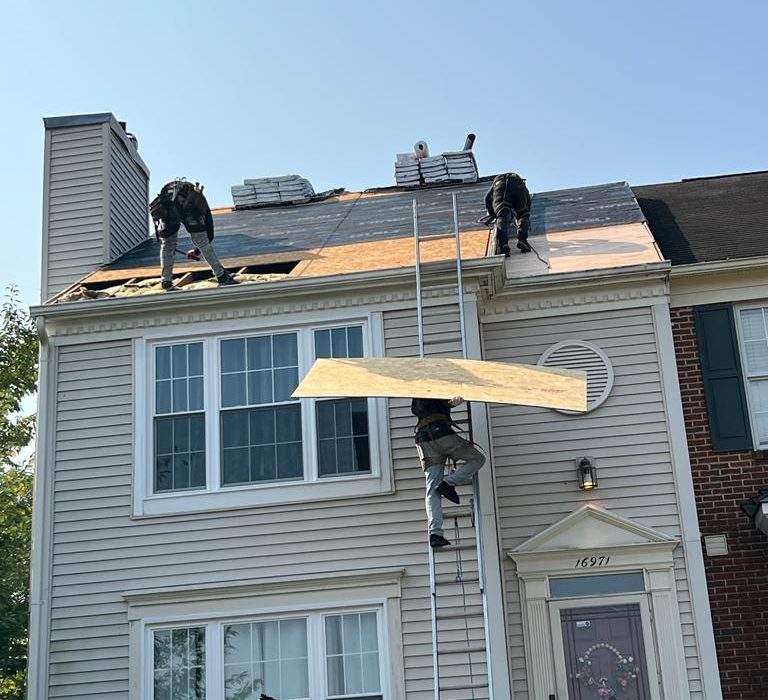
The right roof repair or replacement decision depends on several factors, including the age of your roof, the extent of the damage, previous repairs, roofing material condition, and your long-term plans for the property.
Rather than making a decision based only on the appearance of the roof or the cost of one repair, homeowners should consider the condition of the entire roofing system. A professional roof inspection can help identify visible concerns and provide useful construction-related information before you decide what to do next.
Roof Repair or Replacement: What Is the Difference?
Roof repair and roof replacement address different levels of roofing problems.
A roof repair typically focuses on a specific damaged or deteriorated area. Depending on the roofing system and the problem, repairs may include replacing missing or damaged shingles, addressing flashing concerns, correcting a localized leak, or repairing damage around a roof penetration.
A roof replacement is a much larger project involving the replacement of the existing roofing system or substantial portions of it.
The important question is not simply which option costs less today. Homeowners should consider which solution appropriately addresses the current condition of the roof and provides the most practical approach for the property.
1. How Roof Age Affects Your Roof Repair or Replacement Decision
The age of your roof is one of the first factors to consider when deciding between roof repair or replacement.
Roofing materials are continuously exposed to sunlight, wind, rain, snow, ice, temperature changes, and severe weather. Over time, this exposure can contribute to normal wear and deterioration.
If a roof is relatively young and remains in generally good condition, repairing an isolated problem may be reasonable. However, when an older roof begins developing problems in several areas, repeatedly repairing individual sections may become less practical.
Age alone does not automatically mean a roof needs to be replaced. Homeowners should also consider:
- When the roof was installed
- The type of roofing material
- Previous roof repairs
- Exposure to significant storms
- Current shingle condition
- Whether problems are isolated or widespread
A professional inspection can help determine whether the roof’s age is actually contributing to the problems being observed.
2. Consider the Extent of Roof Damage
The amount and location of damage are major factors when comparing roof repair or replacement.
A few missing shingles after high winds are very different from deterioration affecting several roof slopes. Similarly, an isolated flashing problem may require a different solution than widespread shingle damage.
When Roof Repair May Be Appropriate
Repair may be worth considering when the problem is confined to a relatively small area and the surrounding roofing materials remain in serviceable condition.
Examples may include:
- A limited number of missing shingles
- Localized flashing problems
- Minor damage around roof penetrations
- An isolated leak with an identifiable source
- Small areas affected by falling debris
When Roof Replacement May Be Worth Considering
Replacement may deserve further consideration when deterioration or damage extends across substantial portions of the roofing system.
Examples include:
- Damage across multiple roof slopes
- Large areas of missing or damaged shingles
- Extensive deterioration
- Multiple recurring leaks
- Significant aging throughout the roofing system
- Numerous previous repair areas
A roof inspection can help determine whether the visible damage is truly isolated or part of a larger roofing problem.
3. Look at Your Roof Repair History
One previous repair does not necessarily mean a roof is failing. However, repeated repairs in different areas can indicate that the roofing system deserves a more comprehensive evaluation.
For example, repairing one small section may make sense when the rest of the roof is performing well. But if another leak develops several months later, followed by missing shingles or additional problems elsewhere, continuing to make individual repairs may become less practical.
Homeowners should keep records of:
- Previous repair dates
- Areas that were repaired
- Photos of the damage
- Contractor inspection findings
- Materials that were replaced
- Locations of recurring leaks
Detailed documentation makes it easier to track changes in the roof’s condition over time.
Insured Roofs emphasizes construction-related documentation, including photos and inspection information, to help homeowners better understand visible property conditions.
4. Roof Leaks: Do You Need Repair or Replacement?
Finding a roof leak can be alarming, but a leak does not automatically mean you need a complete roof replacement.
Leaks can develop around flashing, roof penetrations, damaged shingles, valleys, or other vulnerable areas of the roofing system.
Homeowners may notice:
- Water stains on ceilings
- Damp areas in the attic
- Peeling paint near ceilings or walls
- Moisture around roof penetrations
- Water entering during heavy rain
- New discoloration on ceilings or walls
Because water can travel before becoming visible inside the home, the location of an interior stain may not always identify the actual source of the problem.
A professional inspection can help identify visible conditions and determine whether the problem appears localized or whether additional areas need attention.
5. Examine the Condition of Your Shingles
Shingle condition provides important clues about the overall health of many residential roofing systems.
Homeowners should watch for:
- Missing shingles
- Cracked shingles
- Curling shingles
- Lifted or loose shingles
- Damaged shingle edges
- Noticeable granule loss
- Areas that look significantly different from surrounding shingles
One or two damaged shingles may not justify replacing an otherwise serviceable roof. However, similar deterioration throughout large portions of the roofing system may indicate that a broader evaluation is needed.
For safety, homeowners should avoid climbing onto the roof themselves. Many warning signs can initially be observed from the ground, while a qualified roofing professional can conduct a closer inspection.
6. Storm Damage and the Roof Repair or Replacement Decision
Wind, hail, heavy rain, falling branches, and other severe weather can affect roofing materials. Some storm-related problems may be obvious, while others may be difficult to identify from ground level.
After severe weather, look for signs such as:
- Missing or displaced shingles
- Fallen branches or debris
- Damaged gutters
- Damaged siding
- New ceiling stains
- Water intrusion
- Visible roofing material on the ground
Insured Roofs’ homeowner education strategy emphasizes wind and hail damage inspections, missing-shingle repair, photo and video documentation, and clear construction-related information.
When storm damage is suspected, professional documentation can help homeowners understand what was observed and what construction-related options may be available.
If insurance is involved, remember that coverage and claim decisions are made by the insurance carrier. Insured Roofs provides inspections and construction-related documentation but does not act as a public adjuster or determine, negotiate, or guarantee insurance coverage.
7. Consider Whether Existing Roofing Materials Can Be Matched
Material availability is another factor that can influence a roof repair or replacement decision.
When only a small section needs work, compatible roofing materials may be available. However, older roofing products can sometimes be discontinued, and years of exposure to sunlight and weather can change the appearance of existing shingles.
As a result, a repaired section may be functional without looking identical to the surrounding roof.
Homeowners who are particularly concerned about appearance should discuss material availability and potential differences with their roofing contractor before proceeding with repairs.
8. Look Beyond the Surface of the Roof
Shingles are only one component of a complete roofing system.
Depending on the design of your roof, other important components can include:
- Roof decking
- Underlayment
- Flashing
- Valleys
- Roof penetrations
- Ventilation components
- Gutters and drainage systems
A visible roofing problem may require closer inspection to determine whether surrounding components have also been affected.
This is another reason homeowners should avoid making a roof repair or replacement decision based solely on what they can see from the ground.
9. Compare Short-Term Repair Costs With Long-Term Value
Cost is understandably an important consideration.
A localized roof repair will generally involve a smaller immediate expense than replacing an entire roofing system. However, the least expensive option today may not always be the most practical option over several years.
Consider an aging roof that requires multiple repairs in different areas. The homeowner may continue paying for individual repairs only to need replacement later.
On the other hand, replacing a relatively young and serviceable roof because of one isolated repairable issue may be unnecessary.
Roof Repair May Make Sense When:
- Damage is limited to a small area
- Most of the roof remains in good condition
- The problem has an identifiable repair solution
- Repairs have not become frequent
- Surrounding roofing materials remain serviceable
Roof Replacement May Be Worth Considering When:
- Damage is widespread
- The roof shows significant age-related deterioration
- Multiple areas continue developing problems
- Repairs are becoming increasingly frequent
- Roofing materials show widespread deterioration
- Previous repairs have not resolved recurring concerns
The decision should be based on the overall condition of the roofing system rather than cost alone.
10. Consider Your Long-Term Plans for the Home
Your future plans for the property can also influence the roof repair or replacement decision.
Homeowners planning to stay in their property for many years may place greater emphasis on long-term roofing performance and reducing recurring maintenance concerns.
If you are preparing to sell your home, understanding the roof’s condition can also be valuable. A professional inspection can identify visible concerns that may need attention before the property is listed.
Regardless of how long you plan to own the home, the priority should be choosing an appropriate construction solution based on the actual condition of the roofing system.
Why a Professional Inspection Matters Before Roof Repair or Replacement
It can be difficult to determine the extent of roofing problems from ground level alone.
A professional roof inspection can help identify visible conditions such as:
- Missing or damaged shingles
- Storm-related damage
- Flashing concerns
- Potential leak sources
- Areas of deterioration
- Previous repair locations
- Exterior conditions requiring additional evaluation
Insured Roofs focuses on clear inspections and detailed documentation. Its brand guidelines emphasize documenting assessments with photos, drone imagery, and thermal imaging where appropriate.
This information can give homeowners a clearer understanding of their roof’s condition before making a major repair or replacement decision.
Questions to Ask Before Choosing Roof Repair or Replacement
Before moving forward with roofing work, ask your contractor:
- Is the damage isolated or widespread?
- What is the approximate age and overall condition of my roof?
- What specifically needs to be repaired?
- Are there problems in other areas of the roofing system?
- How do previous repairs affect the recommendation?
- Are compatible replacement materials available?
- Are there visible concerns involving flashing or other roofing components?
- What are the advantages and limitations of repairing the affected area?
- What conditions would make replacement more appropriate?
- Can you provide photographs or documentation of the inspection findings?
A roofing contractor should be able to clearly explain what was observed and why a particular course of action is being recommended.
Roof Repair or Replacement: Which Is Right for Your Home?
Choosing between roof repair or replacement requires looking at the overall roofing system rather than focusing on one missing shingle, one leak, or one damaged area.
For a relatively young roof with isolated damage, targeted repairs may be appropriate. When damage is widespread, deterioration is extensive, or an older roof continually requires attention, replacement may become a more practical long-term option.
The best place to start is with a professional roof inspection. Understanding the visible condition of the roof gives you better information for comparing your options and planning the next step.
Schedule a Professional Roof Inspection
Not sure whether your home needs roof repair or replacement?
Insured Roofs provides professional roofing inspections and construction-related documentation for homeowners throughout the DC, Maryland, and Virginia area. The company focuses on clear inspections, homeowner education, and detailed documentation to help property owners better understand their roofing conditions and repair options.
Schedule your roof inspection with Insured Roofs and get the information you need to make a more informed roofing decision.
Frequently Asked Questions About Roof Repair or Replacement
How do I know if I need roof repair or replacement?
The roof repair or replacement decision depends on factors such as the age of your roof, extent of damage, previous repairs, roofing material condition, and whether problems are isolated or widespread. A professional inspection can provide more information about the roof’s current condition.
Is roof repair or replacement better for an older roof?
It depends on the condition of the roofing system. An older roof with one isolated problem may still be repairable. However, widespread deterioration and recurring problems may make roof replacement worth considering.
Does a roof leak mean I need a roof replacement?
Not necessarily. Some roof leaks originate from localized problems that may be repairable. Multiple leaks, widespread deterioration, or recurring water intrusion may indicate that a more comprehensive evaluation is needed.
Can missing shingles be repaired?
In some situations, missing shingles can be replaced when the surrounding roofing materials remain in suitable condition. The extent of the damage and availability of compatible materials should also be considered.
How does storm damage affect a roof repair or replacement decision?
Storm damage can range from isolated issues to widespread roofing damage. A professional inspection can document visible conditions and help determine the extent of the construction work that may be needed.
How does roof age affect the repair or replacement decision?
As roofing materials age, deterioration and maintenance needs may increase. However, age should be considered alongside the roof’s actual condition rather than being used as the only reason for replacement.
Can repeated roof repairs become more expensive than replacement?
They can. If an aging roof repeatedly develops problems in different areas, the cumulative cost and inconvenience of repairs may make replacement worth considering.
Should I get an inspection before deciding between roof repair or replacement?
Yes. A professional inspection can identify visible damage, deterioration, missing shingles, flashing concerns, and other conditions that may affect your roof repair or replacement decision.
What should I document when my roof is damaged?
Keep photographs, inspection findings, previous repair records, dates of roofing work, and other construction-related information. Good documentation can make it easier to track changes in your roof’s condition over time.
How quickly should I address visible roof damage?
Visible roof damage should be evaluated promptly, particularly when there is active water intrusion, missing roofing material, or damage following severe weather. An inspection can help determine the appropriate next steps.
Not Sure If You Need a Roof Repair or Replacement?
Don’t wait for a small roofing issue to become a bigger problem. A professional roof inspection can help you understand your roof’s current condition, identify visible damage, and determine which repair options may be appropriate for your home.
Schedule your FREE roof inspection with Insured Roofs today and get the clarity you need to make a confident roofing decision.