
Why Asphalt Shingles Start Curling, Cracking, and Buckling Over Time
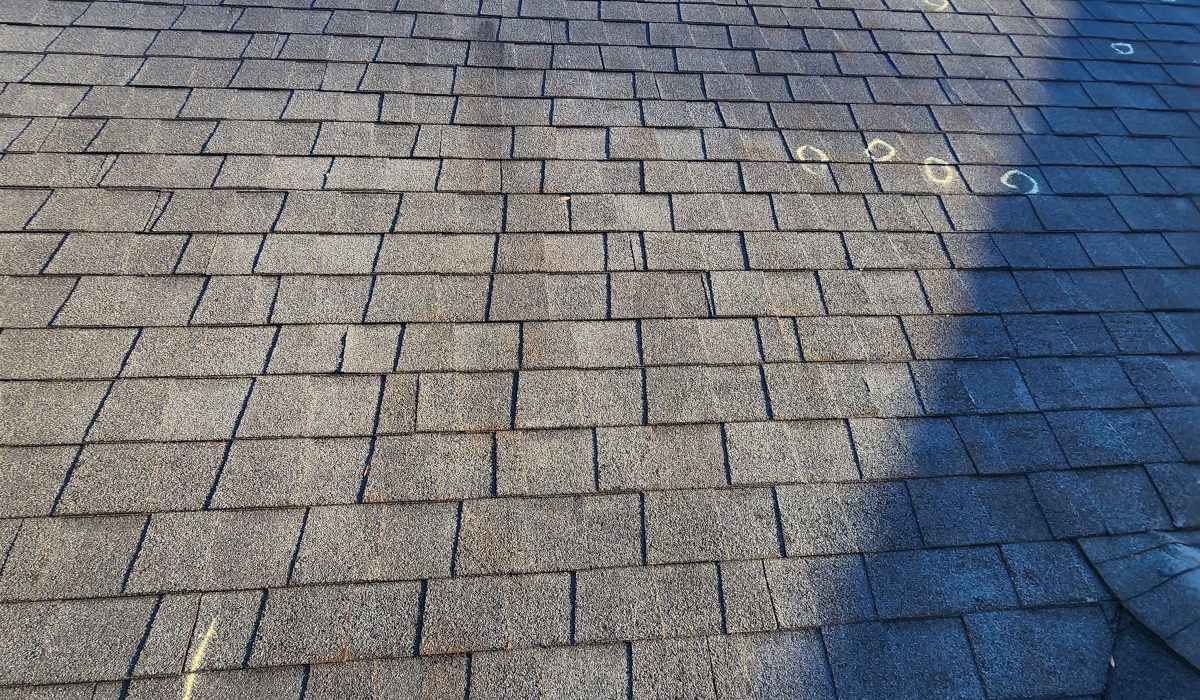
Asphalt shingles are designed to create a durable protective layer between your home and the elements, but they do not remain in perfect condition forever. Over time, homeowners may notice asphalt shingles curling and cracking, developing raised areas, or appearing wavy across sections of the roof.
These changes are more than cosmetic. Curling, cracking, and buckling can indicate aging roofing materials, moisture problems, ventilation concerns, installation issues, or repeated exposure to severe weather.
For homeowners in Arlington and throughout Northern Virginia, changing temperatures, summer heat, rain, wind, snow, and storms can all place stress on a roofing system. Understanding why shingles change shape can help you recognize when it is time to schedule a professional roof inspection.
What Does It Mean When Asphalt Shingles Curl?
Curling occurs when the edges or corners of an asphalt shingle begin turning upward or downward instead of lying flat against the roof.
There are different ways curling can appear. Sometimes the edges lift while the center remains relatively flat. In other cases, the center of the shingle rises while its edges remain closer to the roof deck.
Asphalt shingles that no longer lie flat may become more vulnerable to wind and moisture. The condition can also indicate that the roofing material is aging or that excessive heat and moisture are affecting the roofing system.
A few isolated shingles may indicate localized damage, while widespread curling across multiple roof slopes can suggest a larger roofing issue.
What Causes Asphalt Shingles Curling and Cracking?
There is rarely a single explanation that applies to every roof. The condition of your shingles can be influenced by their age, installation, ventilation, weather exposure, and the condition of the materials beneath them.
Here are seven common causes homeowners should know.
1. Natural Roof Aging
One of the most common reasons for asphalt shingles curling and cracking is simply age.
As asphalt shingles spend years exposed to sunlight, heat, rain, wind, snow, and temperature fluctuations, their materials gradually deteriorate. The shingles may become less flexible and more brittle.
As they lose flexibility, you may begin noticing:
- Curled or lifted edges
- Small cracks
- Missing or loose shingles
- Granule loss
- Discoloration
- Brittle roofing material
- Uneven-looking roof surfaces
An older roof does not automatically need immediate replacement simply because a few shingles show wear. However, widespread deterioration should be professionally evaluated.
Knowing approximately when your roof was installed can provide useful context when determining whether visible changes are isolated problems or signs of broader aging.
2. Excessive Heat and Poor Attic Ventilation
Your roofing system is affected from both above and below.
During warm weather, sunlight heats the roof surface while heat can also accumulate inside an inadequately ventilated attic. When that heat and moisture cannot escape effectively, roofing materials may experience additional stress.
Proper attic ventilation helps regulate temperature and moisture levels. A balanced ventilation system generally allows outside air to enter through intake vents and warmer air to escape through exhaust vents.
Possible warning signs of attic ventilation problems can include:
- Excessive attic heat
- Moisture accumulation
- Condensation
- Uneven indoor temperatures
- Premature deterioration of roofing materials
- Mold or mildew in certain attic conditions
Because ventilation is part of the larger roofing system, addressing damaged shingles without investigating the underlying cause may leave the original problem unresolved.
3. Moisture Beneath the Roofing Materials
Moisture is another potential contributor to asphalt shingle buckling.
A roof consists of multiple components working together, including the roof deck, underlayment, shingles, flashing, ventilation, and other materials. If moisture becomes trapped within this system, materials underneath the shingles may expand or shift.
When the roof deck moves or swells, the shingles installed above it may develop visible waves or raised sections.
Moisture problems can develop from several sources, including roof leaks, inadequate attic ventilation, condensation, damaged flashing, or other openings that allow water into the roofing system.
Buckling associated with moisture should not simply be flattened or covered without identifying where the moisture is coming from.
4. Improper Shingle Installation
Installation quality plays an important role in how well an asphalt shingle roof performs.
Shingles must be installed according to the roofing system’s requirements. Problems involving fastening, alignment, underlayment, flashing, or roof-deck preparation can contribute to premature roofing issues.
For example, incorrectly positioned or insufficient fasteners may make shingles more susceptible to movement. Improperly prepared roof decking can also create uneven surfaces underneath the finished roofing material.
Installation-related issues may not become obvious immediately. In some cases, problems only become noticeable after the roof has experienced repeated temperature changes, wind, or heavy rain.
If a relatively new roof begins showing widespread curling or buckling, professional evaluation can help determine whether installation may be contributing to the problem.
5. Severe Weather and Wind Damage
Northern Virginia roofs experience changing weather conditions throughout the year. Strong winds, thunderstorms, hail, heavy rain, snow, and temperature changes can gradually affect roofing materials.
Wind is particularly important when discussing curled roof shingles.
Once a shingle edge begins lifting, wind may be able to get underneath it more easily. Repeated wind exposure can loosen the shingle further or damage surrounding materials.
Storm-related roof problems may include:
- Lifted shingles
- Missing shingles
- Creased shingles
- Cracks
- Damaged flashing
- Exposed roofing areas
- Impact marks
- Loose roofing components
Not every type of storm damage is obvious from the ground. After significant weather, a professional inspection can provide a clearer picture of the roof’s condition.
6. Temperature Changes and Thermal Movement
Roofing materials naturally expand and contract as temperatures change.
During hot conditions, roofing components expand. As temperatures fall, they contract. This process happens repeatedly throughout the life of the roof.
A properly designed and installed roofing system is intended to accommodate normal environmental changes. However, aging materials, installation problems, moisture, or inadequate ventilation can make roofing components more vulnerable to stress.
Over time, repeated thermal movement may contribute to cracking, curling, or other visible changes.
This is one reason seasonal roof inspections can be useful, particularly when a roof is older or has already experienced previous damage.
7. Problems With the Roof Deck or Underlayment
Sometimes the shingles themselves are not the original source of the problem.
The roof deck provides the structural surface onto which roofing materials are installed. Underlayment provides an additional protective layer beneath the shingles.
If decking becomes damaged, uneven, warped, or affected by moisture, the shingles above it may no longer sit properly.
This can create visible:
- Waves
- Raised sections
- Dips
- Buckles
- Uneven shingle lines
Simply replacing a few visible shingles may not solve a problem originating underneath them. A professional roof inspection can help determine whether the visible shingle damage is isolated or connected to another roofing component.
Curling vs. Cracking vs. Buckling: What’s the Difference?
Although these terms are sometimes used interchangeably, they describe different conditions.
Curling occurs when the edges or corners of individual shingles begin lifting or changing shape.
Cracking refers to visible splits or fractures within a shingle. Cracks can develop as shingles age and become brittle or after physical and weather-related stress.
Buckling typically appears as raised, rippled, or wavy areas extending across shingles or sections of the roof. The underlying roofing materials or roof deck may sometimes contribute to this condition.
Understanding the difference can help homeowners describe what they see, but determining the actual cause usually requires closer inspection.
Why You Shouldn’t Ignore Damaged Asphalt Shingles
A curled or cracked shingle may appear to be a minor issue, particularly if there is no active leak inside the home.
However, shingles are part of a larger water-shedding roofing system. When they become damaged or displaced, the roof may become more vulnerable to future weather.
Potential consequences of leaving roofing problems unaddressed can include additional shingle deterioration, moisture intrusion, damaged roof decking, interior staining, insulation problems, and larger repair needs.
Early evaluation does not necessarily mean extensive repairs will be required. Instead, it gives homeowners better information about the roof’s current condition and available options.
Can Curled or Cracked Shingles Be Repaired?
It depends on the extent and cause of the damage.
A small number of damaged shingles may sometimes be addressed with localized roof repairs when the surrounding roofing system remains in serviceable condition.
Widespread deterioration is different.
If large areas of the roof have curled, cracked, brittle, or missing shingles, repairing individual pieces may not address the overall condition of the roofing system.
Factors a roofing professional may consider include:
- Roof age
- Number of damaged shingles
- Location of the damage
- Condition of surrounding shingles
- Roof deck condition
- Ventilation
- Previous repairs
- Signs of moisture
- Storm-related damage
- Overall roofing system condition
A professional inspection provides the information needed to determine whether targeted repairs or a broader roofing solution should be considered.
How Can Homeowners Help Prevent Premature Shingle Damage?
You cannot stop asphalt shingles from aging, but routine roof care can help identify conditions that may contribute to premature deterioration.
Start by visually checking your roof from the ground periodically and after significant storms. Look for obvious changes such as missing shingles, lifted edges, unusual waves, damaged flashing, or debris.
Keep gutters and drainage systems clear so rainwater can move away from the roof efficiently. Trim problematic tree branches when appropriate to reduce unnecessary contact and debris accumulation.
Attic ventilation should also be evaluated when there are signs of excessive heat or moisture.
Most importantly, avoid climbing onto the roof yourself. Walking on damaged or aging shingles can be dangerous and may cause additional damage. A professional roof inspection allows difficult-to-see areas to be evaluated safely.
When Should You Schedule a Roof Inspection?
Consider scheduling a professional roof inspection if you notice:
- Curling shingle edges
- Cracked shingles
- Buckled or wavy roofing areas
- Missing shingles
- Significant granule loss
- Roof sections that look different from surrounding areas
- Interior ceiling stains
- Attic moisture
- Damage following strong winds or storms
- A noticeable change in an older roof
You do not have to wait for water to enter your home before having the roof evaluated.
Finding the source of visible roof shingle damage earlier may give you more options for maintenance or repairs.
Frequently Asked Questions About Asphalt Shingles Curling and Cracking
What causes asphalt shingles to curl?
Asphalt shingles may curl because of aging, prolonged heat exposure, ventilation problems, moisture, installation issues, or weather-related stress. An inspection can help determine which factor is affecting a particular roof.
Are curling asphalt shingles a sign that I need a new roof?
Not necessarily. A few isolated curled shingles may be repairable, while widespread curling across an older roof may indicate more extensive deterioration. Roof age and the overall condition of the roofing system should be considered.
What causes asphalt shingles to crack?
Cracked asphalt shingles can develop as roofing materials age and lose flexibility. Temperature changes, wind, physical stress, and severe weather may also contribute to cracking.
Why are my asphalt shingles buckling?
Asphalt shingle buckling may be associated with moisture, movement in the roof deck, installation problems, underlayment issues, or other conditions beneath the shingles. A professional inspection can help identify the underlying cause.
Can poor attic ventilation damage asphalt shingles?
Inadequate ventilation can contribute to excessive attic heat and moisture, which may place additional stress on roofing components. Proper ventilation is therefore an important part of the overall roofing system.
Can curled roof shingles cause leaks?
Curling does not always mean a roof is currently leaking. However, shingles that no longer lie properly can make sections of the roofing system more vulnerable to wind and water, increasing the importance of having the condition evaluated.
Should I replace individual cracked shingles?
Localized replacement may be appropriate in some situations. If cracking is widespread or the surrounding shingles are brittle and deteriorated, replacing individual shingles may not provide an effective long-term solution.
Can storm damage cause shingles to curl or crack?
Strong winds, hail, heavy rain, and other severe weather can damage asphalt shingles. Wind may lift or crease shingles, while impact and repeated weather exposure can contribute to cracking or deterioration.
How often should an asphalt shingle roof be inspected?
Homeowners should regularly observe their roofs from the ground and consider professional inspections periodically, especially after severe weather, when buying or selling a home, or when visible changes appear.
Is it safe to inspect curled shingles myself?
You can look for visible warning signs from the ground, but climbing onto a roof can be dangerous. Damaged shingles may also be fragile or slippery. A trained roofing professional can inspect the roof more safely and evaluate areas that are difficult to see.
Protect Your Roof Before Small Problems Become Larger Ones
Asphalt shingles curling and cracking can be your roof’s way of showing that something has changed. The cause might be normal aging, ventilation, moisture, installation conditions, severe weather, or an issue beneath the roofing material.
The important step is determining why the shingles are changing rather than relying only on how they look from the ground.
Schedule a Professional Roof Inspection With Insured Roofs
If you’ve noticed curled, cracked, lifted, or buckled shingles, Insured Roofs can inspect the visible condition of your roofing system and provide clear construction-related findings and repair recommendations.
Whether you’re dealing with an aging roof or changes following severe weather, a professional inspection can help you understand the condition of your roof and make informed decisions about the next step.
Serving Arlington and surrounding Northern Virginia communities.
Contact Insured Roofs today to schedule your roof inspection and find out what’s happening beneath those damaged shingles.