- By Mendelssohn Casanas
- Construction Blog
- 0 Comment
Hot Attic? Here’s How Excessive Heat Can Affect Your Roof
A roof has to deal with heat from more than one direction. During sunny weather, the exterior roofing materials absorb heat from the sun. At the same time, heat from inside the home can rise into the attic. When that trapped heat cannot escape effectively, attic temperatures can climb and place additional stress on parts of the roofing system.
Over time, hot attic roof damage may contribute to premature aging of shingles, deterioration of roof decking, moisture-related concerns, and reduced energy efficiency. The problem is especially important during long periods of hot weather, when a poorly ventilated attic may remain excessively warm for hours at a time.
For homeowners, understanding the relationship between attic conditions and roofing performance can make it easier to recognize potential problems before they become more extensive.
Here’s what you should know about hot attic roof damage, why attic ventilation matters, and when it may be worth having your roofing system inspected.
Why Does an Attic Get So Hot?
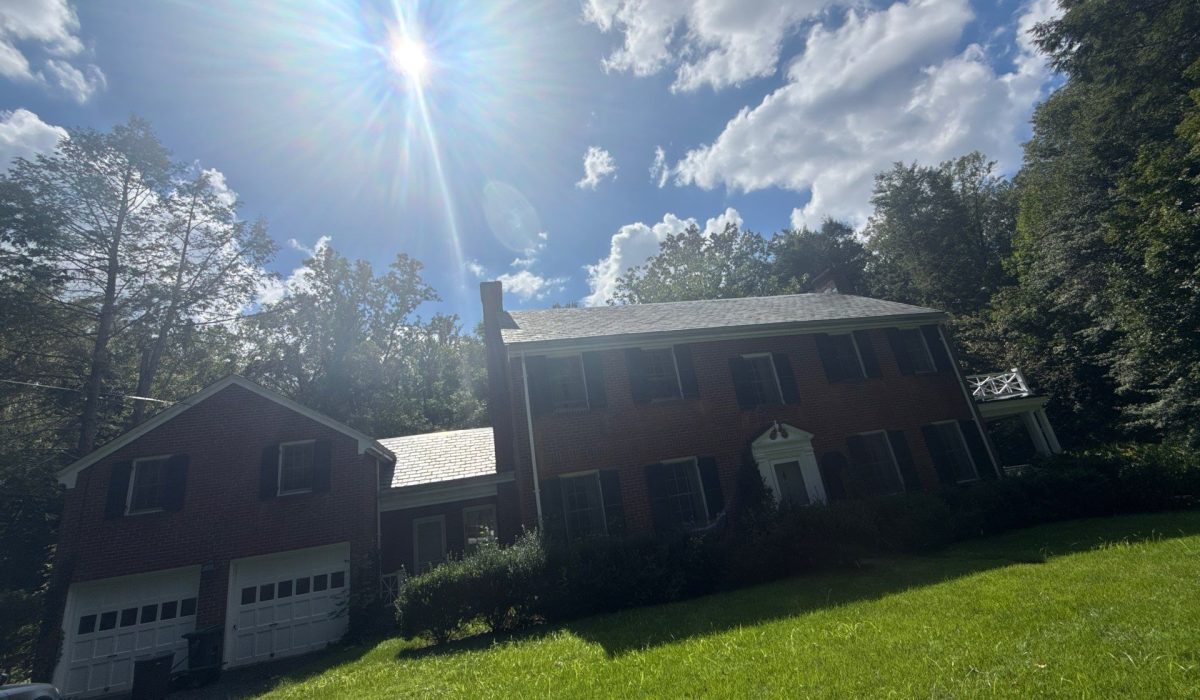
Your roof receives direct solar exposure throughout the day. Roofing materials absorb some of that energy, and heat transfers toward the roof deck and attic space.
Heat generated inside the house also naturally rises. When an attic has insufficient airflow, that heat may become trapped rather than being effectively exhausted outside.
Several factors can contribute to an unusually hot attic, including:
- Insufficient intake ventilation
- Blocked or covered soffit vents
- Inadequate exhaust ventilation
- Poorly balanced intake and exhaust vents
- Air leaks between conditioned living areas and the attic
- Insulation or stored materials obstructing airflow
- Roofing modifications that affect the original ventilation design
A hot attic does not automatically mean your roof is failing. However, persistent excessive heat can create conditions that increase stress on roofing components.
That is why hot attic roof damage should be considered as part of overall roof maintenance rather than viewed as an isolated attic issue.
How Hot Attic Roof Damage Can Affect Asphalt Shingles
Asphalt shingles are manufactured to withstand outdoor weather conditions, including heat and sunlight. But roofing materials still experience gradual aging from repeated environmental exposure.
When an attic remains excessively hot, the underside of the roof assembly can also be exposed to elevated temperatures. Combined with solar heat on the exterior, these conditions may contribute to additional thermal stress.
Over time, hot attic roof damage may be associated with signs such as premature shingle aging, curling or distortion, brittleness, and other changes in material condition.
This does not mean every curled or damaged shingle is caused by attic heat. Shingle condition can also be influenced by roof age, weather exposure, installation, storm activity, manufacturing characteristics, and other factors.
A professional roof inspection can help evaluate the entire system rather than assuming attic temperature is the only cause.
Hot Attic Roof Damage and Your Roof Decking
Shingles are only the visible outer layer of your roofing system.
Underneath them is roof decking, typically constructed from plywood or oriented strand board (OSB) on many residential roofing systems. The decking provides the structural surface to which roofing materials are attached.
Excessive heat alone is not the only concern for decking. Moisture conditions matter as well.
When poor attic ventilation contributes to heat and moisture accumulation, the roof deck may be exposed to unfavorable conditions over extended periods.
Possible warning signs can include:
- Dark or discolored areas
- Moisture staining
- Warping
- Deterioration
- Mold-like growth
- Soft or weakened areas
Because the roof deck is largely hidden, homeowners may not notice deterioration from the ground.
That makes attic conditions an important part of evaluating possible hot attic roof damage.
Why Attic Ventilation Matters
Attic ventilation is designed to promote airflow through the attic space.
In a typical balanced system, cooler outside air enters through intake vents often located near the lower edges or soffits of the roof and warmer air exits through exhaust vents positioned higher on the roof.
Depending on the roofing system, exhaust ventilation might include ridge vents or other approved vent types.
When properly designed and unobstructed, this airflow helps manage attic heat and moisture.
Good attic ventilation can help:
- Reduce excessive heat buildup
- Allow warm attic air to escape
- Manage moisture accumulation
- Support roofing material performance
- Reduce unnecessary stress on the roofing assembly
- Support more consistent attic conditions
Ventilation requirements vary depending on the home’s design, roof configuration, attic size, insulation, and other construction factors. Simply adding more vents is not always the correct solution.
An improperly designed ventilation system can sometimes perform poorly even when multiple vents are present.
Hot Attic Roof Damage Can Develop Gradually
One reason hot attic roof damage can be overlooked is that it may not produce an immediate roof leak.
A roof can appear normal from the yard while conditions underneath the shingles are gradually changing.
Heat-related deterioration generally occurs over time. Homeowners may notice secondary symptoms before they recognize a roofing issue.
For example, you might notice that upstairs rooms are unusually warm or that the attic feels extremely hot. Those observations do not prove that the roof is damaged, but they may justify taking a closer look at attic ventilation and roof condition.
This gradual progression is why preventive roof inspections can be useful.
Signs Your Attic May Need Attention
You should not climb onto your roof to investigate possible hot attic roof damage. Stay on the ground and leave roof-level evaluation to trained professionals.
From safe areas inside the home or attic when the attic is safely accessible homeowners may notice potential warning signs such as:
- An attic that remains extremely hot
- Upstairs rooms that are difficult to cool
- Visible blocked soffit vents
- Moisture staining on roof decking
- Condensation or unusually high attic humidity
- Musty odors
- Discoloration on wood components
- Uneven indoor temperatures
On the roof itself, a professional may evaluate shingle condition, ventilation components, flashing, penetrations, roof edges, decking condition where accessible, and other parts of the system.
No single symptom confirms hot attic roof damage, which is why the complete roofing and attic system should be considered.
Can a Hot Attic Shorten Roof Lifespan?
Potentially.
Roof lifespan depends on many variables, including roofing material, installation quality, ventilation, weather, maintenance, roof orientation, storm exposure, moisture conditions, and age.
Persistent excessive attic heat can add another source of stress.
Rather than thinking of hot attic roof damage as something that suddenly destroys a roof, it is more useful to think of excessive attic heat as one factor that may contribute to accelerated deterioration when conditions are unfavorable.
This distinction matters because correcting an airflow or ventilation problem early may help prevent additional stress on roofing components.
Heat and Moisture Can Be a Problematic Combination
Attic ventilation is not only about temperature.
Moisture generated inside a home can migrate toward attic spaces. Bathroom exhaust, cooking, air leakage, and everyday household activities can all contribute to indoor moisture.
If warm, moisture-containing air enters an attic and cannot escape effectively, moisture can accumulate on cooler surfaces under certain conditions.
That can create concerns involving:
- Roof decking
- Insulation
- Fasteners
- Framing
- Other attic materials
This is why evaluating hot attic roof damage should include more than simply measuring temperature.
A roofing professional may also look for evidence of moisture, airflow restrictions, and ventilation deficiencies.
Can Insulation Prevent Hot Attic Roof Damage?
Insulation and ventilation serve different purposes.
Insulation helps slow heat transfer between conditioned living spaces and the attic. Ventilation helps manage airflow through the attic itself.
A home may have plenty of insulation and still have inadequate attic ventilation. Conversely, an attic can have ventilation but still experience performance problems if insulation or air-sealing issues are present.
For this reason, addressing hot attic roof damage sometimes requires looking at the attic as a complete system rather than focusing on a single component.
Why You Shouldn’t Simply Add More Roof Vents
It might seem logical that a hot attic simply needs more vents.
However, roof ventilation is more complicated than that.
An effective system generally needs appropriate intake and exhaust ventilation working together. Adding exhaust vents without sufficient intake may not solve the underlying airflow issue.
Different exhaust systems can also interact in unintended ways when they are combined without considering the overall ventilation design.
Before changing the ventilation system, it is better to determine what is already installed, whether vents are blocked, and whether intake and exhaust are properly balanced.
This helps address the underlying conditions that may contribute to hot attic roof damage instead of guessing at a solution.
Why Professional Roof Inspections Matter
Because most roofing components are difficult to evaluate safely from the ground, professional inspections can provide a more complete picture.
During a roof and attic evaluation, a roofing professional may look at:
- Shingle condition
- Roof ventilation
- Soffit and intake areas
- Ridge or exhaust vents
- Roof decking where accessible
- Flashing
- Pipe penetrations and seals
- Signs of moisture
- Visible staining
- Areas of unusual deterioration
- General roof age and condition
The goal is not simply to find hot attic roof damage. It is to understand how the entire roofing system is performing and identify conditions that may require attention.
Insured Roofs‘ broader homeowner-education strategy emphasizes clear inspections, technical construction documentation, and helping property owners understand roofing conditions rather than relying on oversimplified assumptions.
Hot Attics and Virginia Homes
Virginia homeowners experience hot, humid summer weather, which makes attic and roof ventilation an important consideration.
Long sunny days can expose roofing materials to significant heat. When that outdoor heat is combined with poor attic airflow, roofing components may remain warmer for extended periods.
Humidity can add another consideration because attic performance involves both heat and moisture management.
If you live in Arlington, Falls Church, Alexandria, Fairfax, Stafford, Fredericksburg, or surrounding Northern Virginia communities, checking attic and roof conditions periodically can be a useful part of maintaining your home’s exterior.
Insured Roofs’ current local strategy prioritizes Arlington and nearby Northern Virginia markets while continuing organic roofing education for Stafford and surrounding service areas.
How to Help Reduce the Risk of Hot Attic Roof Damage
Homeowners can take several practical steps to help protect their roofing systems.
First, make sure attic intake vents are not unintentionally blocked by insulation, stored materials, or other obstructions.
Second, pay attention to unusual attic conditions. Excessive heat, visible moisture, staining, or musty odors can justify further evaluation.
Third, avoid making ventilation changes without understanding the existing system. More ventilation is not automatically better if intake and exhaust are improperly configured.
Finally, include ventilation and attic conditions as part of routine roof inspections.
Catching an issue early can make it easier to address the cause before deterioration becomes more extensive.
FAQ: Hot Attic Roof Damage
Can a hot attic actually damage my roof?
Persistent excessive attic temperatures can contribute to conditions that increase thermal stress on roofing components. Hot attic roof damage is generally better understood as a potential contributor to premature deterioration rather than an immediate cause of roof failure.
Does a hot attic mean I need a new roof?
No. A hot attic by itself does not mean your roof needs replacement. The roof’s age, shingle condition, decking, ventilation, moisture conditions, installation, and overall system should be evaluated before deciding whether repair, ventilation improvements, or replacement is appropriate.
Can poor ventilation damage asphalt shingles?
Poor attic ventilation can contribute to excessive heat and moisture conditions, which may place additional stress on the roofing assembly. However, shingle deterioration can have many causes, so a professional evaluation is important before attributing damage to ventilation.
How can I tell whether my attic ventilation is working?
Potential clues include excessive attic temperatures, blocked soffit vents, moisture staining, condensation, or persistent humidity. A roofing professional can evaluate intake and exhaust ventilation and determine whether airflow appears appropriate for the roof design.
Will adding a ridge vent fix a hot attic?
Not necessarily. A ridge vent is only one component of a ventilation system. Proper intake ventilation is also important, and the correct solution depends on the roof and attic configuration.
Can insulation fix hot attic roof damage?
Insulation may reduce heat transfer between the home’s living space and attic, but it does not replace proper ventilation. Insulation, air sealing, and attic ventilation should work together.
Should I climb onto my roof to check for heat damage?
No. Stay on the ground and do not climb onto the roof to inspect it yourself. Roof surfaces can be hazardous, especially when steep, wet, hot, or damaged. A trained roofing professional can evaluate roof-level components safely.
How often should my roof and attic be inspected?
There is no single inspection interval that fits every property. Roof age, previous repairs, storms, tree exposure, ventilation concerns, and visible warning signs can all influence when an inspection makes sense. An inspection may also be useful after significant weather events or when you notice changes inside the attic or home.
Protect Your Roof From the Heat Above and Below
Your roofing system protects your home every day, but what happens underneath the shingles matters too.
A properly functioning attic helps manage heat and moisture, while poor airflow can create conditions that place additional stress on roofing materials. Understanding hot attic roof damage can help homeowners identify potential ventilation and roofing concerns before they become larger problems.
If your attic feels excessively hot, you have noticed unusual shingle deterioration, or you are unsure whether your roof ventilation is performing properly, consider having the system professionally evaluated.
Schedule a Roof Inspection With Insured Roofs
Insured Roofs provides roofing inspections and construction-focused evaluations for homeowners throughout the DC, Maryland, and Virginia region. The company is licensed and insured and uses inspection documentation as part of its approach to helping property owners understand roof and exterior conditions.
Schedule your roof inspection today to get a clearer understanding of your shingles, roof ventilation, decking, and overall roofing system.
Insured Roofs — We Protect What Protects You.