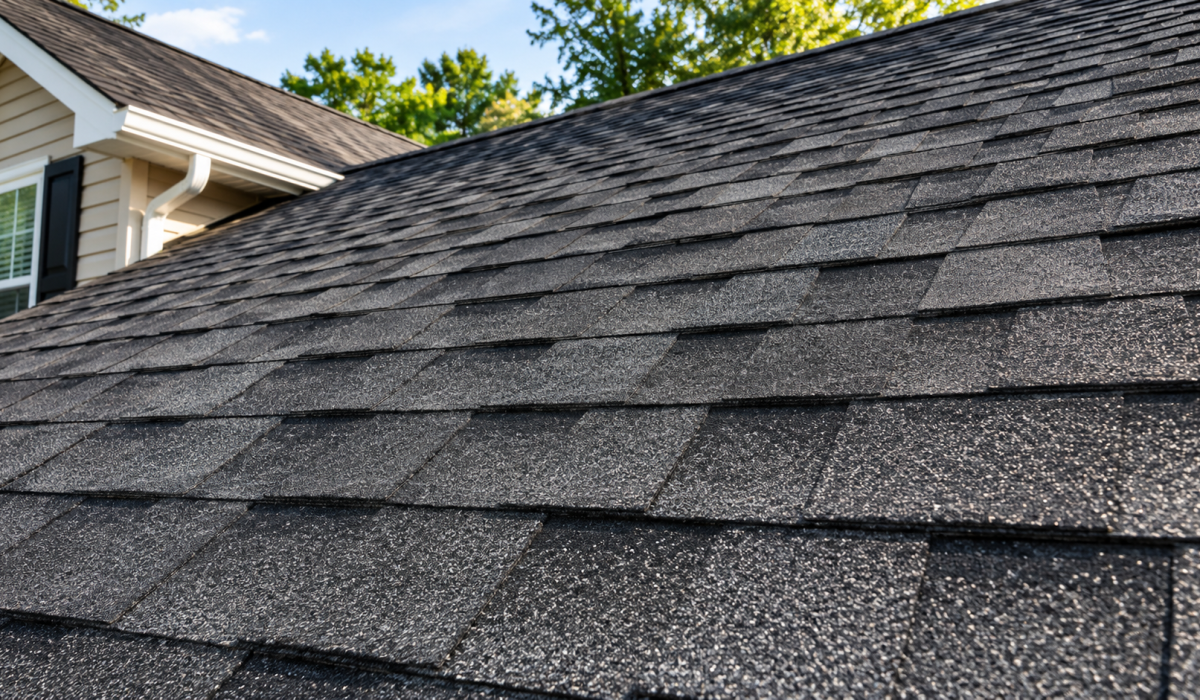
After a roof replacement, homeowners often ask, “How long do shingles take to seal?” New asphalt shingles may seal after several warm, sunny days. Cold weather can extend that process to weeks, and some installations need additional sealing work by the contractor. There is no guaranteed number of days that applies to every roof.
For homeowners in Arlington and Northern Virginia, the useful answer should connect the installed product, actual weather, and roof conditions with a clear follow-up plan. If shingles appear raised or loose, ask the installer what they observed and whether another inspection is appropriate.
How Long Do Shingles Take to Seal After Installation?
Use the following as general expectations, with the final recommendation based on your particular shingles and installation:
| Conditions after installation | General expectation | What to discuss with your contractor |
|---|---|---|
| Several warm, sunny days | Self-sealing may occur over several days. | Whether the product and roof exposure support that expectation. |
| Cold weather or limited warmth | Sealing can take weeks; some fall or winter installations may remain unsealed until warmer conditions return. | Whether manufacturer instructions call for hand sealing. |
| Uneven sunlight or persistent shade | Sealing time can differ across roof sections. | Which slopes need additional attention or a separate follow-up. |
These are general expectations drawn from manufacturer guidance. Your contractor should apply the instructions for your specific product and conditions.
When you ask “How long do shingles take to seal on my home?” also ask what conditions would require the contractor to act sooner.
What Does It Mean for Shingles to Seal?
Asphalt shingles commonly have factory-applied adhesive that activates with sufficient warmth and bonds overlapping shingles together. That bond helps resist wind uplift. Roofing nails secure shingles to the roof deck; the adhesive bond has a separate role in the installed system.
Shingles lying flat and shingles being bonded are different things. Owens Corning notes that cold-weather installations can take longer both to seal and to lie flat. As a practical consequence, a photograph of a smooth-looking roof cannot confirm the condition of every adhesive bond.
7 Helpful Checks After New Shingles Are Installed
1. Identify the Exact Shingle Product
Start with the manufacturer and product line shown on your proposal, invoice, or leftover bundle packaging. Ask for the applicable installation instructions, including the sections covering fastening, cold weather, and hand sealing.
Product instructions can specify different requirements for roof edges, steep slopes, and other conditions. For example, the Owens Corning Duration installation instructions include particular cold-weather provisions for perimeter shingles. Those instructions should not be treated as a universal procedure for every brand.
A useful question is: “How long do shingles take to seal for the product installed on my roof, and which instructions apply?” Keep that information with your asphalt roofing project records.
2. Review the Weather Since Installation
How long do shingles take to seal in cold weather? IKO explains that environmental conditions can extend the process to several weeks. Its guidance recommends manual sealing when there may not be enough time for natural sealing before winter.
Review the weather after installation as well as conditions on installation day. GAF identifies roof slope, orientation, and sun or heat exposure as influences on sealing time; it also notes that hand sealing may be needed when conditions are too cold for prompt activation.
Ask the installer to explain the recommendation using your roof’s actual exposure. A calendar date alone does not show whether the relevant conditions have occurred.
3. Compare Sunlight Across Roof Sections
The sunny front slope and a shaded rear slope may not have the same sealing conditions. Owens Corning identifies roof orientation, slope, and temperatures during and after installation as factors in sealant activation.
Ask, “How long do shingles take to seal on the shaded side of my roof?” Have the contractor identify any areas they want to revisit, particularly where their recommendation differs from the rest of the roof.
Request photographs labeled by location. Descriptions such as “rear slope above the addition” make a follow-up conversation more useful than a general statement that some shingles look different.
4. Confirm Whether Hand Sealing Is Needed
Hand sealing means the contractor applies an approved roofing cement in the locations and amounts specified for the shingle. GAF’s hand-sealing technical bulletin identifies situations including cold-weather installation, certain steep slopes, and repair work. It directs installers to the individual product instructions and warns that excessive cement can cause problems such as blistering.
Ask, “How long do shingles take to seal naturally, and does this installation require hand sealing?” If the work was needed, request confirmation of where it was performed and which approved material was used.
Leave that work to the roofing contractor. Applying household caulk or coating the roof is not the manufacturer-directed process described here.
5. Have Installation Concerns Evaluated
More elapsed time cannot correct every reason a shingle has failed to seal. GAF cautions that inadequate exposure or improper installation can prevent sealing altogether.
Ask the roofer to evaluate shingle positioning, fastening, and conditions affecting contact at the sealant. Owens Corning’s instructions specify fastener locations and a suitable supporting deck; IKO also warns that dirt or foreign material can interfere with the factory adhesive.
If the installer recommends waiting, ask what they have checked and why additional suitable weather is expected to help. “How long do shingles take to seal?” should lead to an explanation of the observed condition and the proposed next step.
6. Document Visible Changes and Storm Exposure
Contact your installer promptly if you notice shingles lifting or flapping, missing pieces, new damage, or water entering the house. Insured Roofs identifies lifted shingles and interior water stains among concerns that warrant professional evaluation.
Take photographs or video from a safe location and record when you first noticed the change. Include the installation date and whether the condition appeared after wind or rain. Avoid climbing onto the roof or lifting shingles to test them yourself.
When you ask “How long do shingles take to seal after installation?” share those observations. An active leak or visible damage deserves attention without waiting for a predicted sealing date. Ask about roof repair or appropriate temporary protection if needed.
7. Agree on a Follow-Up Inspection Plan
Ask for a specific date or agreed conditions for the next assessment, along with the name of the person responsible. A useful plan explains what the contractor expects to see, what will be inspected, and what happens if the shingles remain unsealed.
The answer to “How long do shingles take to seal?” should include a way to resolve ongoing concerns. Request a written record of any additional work and photographs of the affected areas.
If an explanation remains unclear, ask whether the manufacturer’s technical support team should review the product and installation details. Keep the discussion tied to documented observations about your roof.
What to Ask If Shingles Still Appear Unsealed
You can use these questions when contacting your installer:
- How long do shingles take to seal given the weather we have actually had?
- Has an inspection confirmed unsealed shingles, or are we currently discussing their appearance?
- Which product instructions apply to this roof and these conditions?
- Was hand sealing required, and where was it completed?
- Have you checked fastening, shingle contact, and possible contamination?
- When will you reassess the roof, and what changes should I report sooner?
Request a written response and keep it with the installation paperwork. The goal is to understand whether the next step is monitoring, a closer inspection, manufacturer consultation, or corrective work.
Frequently Asked Questions
How Long Do Shingles Take to Seal in Warm Weather?
GAF describes several days of warm, sunny conditions. Treat that as a general expectation and ask your installer what is reasonable for the specific shingles and roof exposure.
How Long Do Shingles Take to Seal in Winter?
Self-sealing may be delayed until warmer conditions return. Your contractor should address any required hand sealing and explain the follow-up plan. A seasonal delay should not become an open-ended instruction to ignore loose shingles or other concerns.
How Long Do Shingles Take to Seal on a Shaded Roof?
There is no dependable timeline based on shade alone. Because sun exposure affects sealing, ask the roofer to evaluate the affected slope and explain whether additional work or monitoring is appropriate.
How Long Do Shingles Take to Seal After a Repair?
Ask the contractor to explain the sealing method used for the repair. GAF specifically lists repair work among situations for hand sealing. The applicable product instructions should determine the approach, rather than assuming every replacement shingle can simply be left to bond naturally.
Can I Check the Seal by Lifting the Shingles?
Have the contractor perform that assessment. Share ground-level photographs and describe what concerns you.
Does Delayed Sealing Mean I Need Another Roof Replacement?
Delayed sealing alone does not establish that conclusion. GAF explains that insufficient heat can prevent sealing without indicating defective sealant. Ask for an inspection and a proposed remedy based on the findings before discussing the scope of additional work.
Get Clear Answers About Your New Shingles in Northern Virginia
Still asking, “How long do shingles take to seal?” Start with your installing contractor and request an explanation based on the actual product, weather, and observed roof conditions.
Insured Roofs provides roofing services in Northern Virginia, including roof inspections and repairs. If you need help evaluating a concern, schedule a roof inspection in Arlington or call (703) 828-7462 to discuss the next step.