How Tree Branches Can Damage Your Roof and What to Watch For
Trees can provide shade, privacy, and curb appeal, but branches growing too close to your home can create unexpected roofing problems. Tree branches damaging roof materials is not limited to large limbs crashing onto a house during a storm. Damage can also develop gradually when branches scrape against shingles, leaves collect in roof valleys, debris clogs gutters, or falling limbs strike roofing components.
For homeowners, the effects of tree branches damaging roof shingles can sometimes be difficult to recognize from the ground. A roof may appear normal while shingles, flashing, gutters, or other components have already experienced wear or impact damage.
Understanding how trees can affect your roofing system can help you recognize warning signs, maintain the areas surrounding your home, and know when a professional roof inspection may be appropriate.
Below, we explain how tree branches can damage a roof, the signs homeowners should watch for, and what you can do to help protect your roofing system.
Can Tree Branches Really Damage Your Roof?
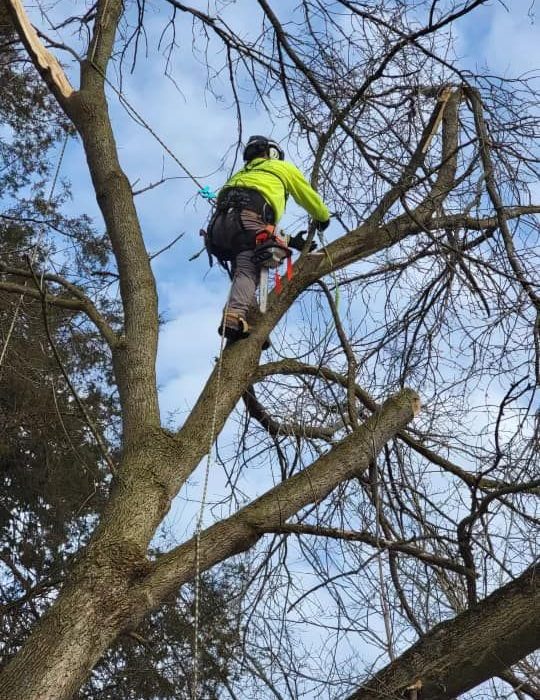
Yes. Tree branches damaging roof components can happen in several ways, and not every type of damage involves a large tree falling onto the house.
Branches hanging close to a roof can repeatedly rub against shingles as they move in the wind. Dead or weakened limbs may fall during storms. Leaves, pine needles, twigs, and other debris can also accumulate on roofing surfaces and inside gutters.
The severity of roof damage from trees can depend on several factors, including:
- The size and weight of the branch
- The health of the tree
- How close branches are to the roof
- Wind and weather conditions
- The roofing material
- The location of the impact
- How long debris remains on the roof
A large limb may create obvious damage immediately, while smaller branches can contribute to gradual wear that is easier to overlook.
1. Overhanging Tree Branches Can Rub Against Shingles
One of the most common concerns with trees near a home is repeated contact between branches and the roofing surface.
When an overhanging tree branch touches the roof, wind can move it back and forth across shingles. Over time, that repeated contact can contribute to surface abrasion.
This is particularly important with asphalt shingles because their surface contains protective granules. Excessive rubbing can contribute to granule loss or other surface wear.
Branches can also catch against the edges of shingles during windy conditions. Depending on the situation, this may contribute to lifted, cracked, or otherwise damaged shingles.
If you can see branches touching the roof from the ground, consider having the tree evaluated and appropriately trimmed before continued contact creates additional wear.
2. Falling Branches Can Cause Impact Damage
The most obvious example of tree branches damaging roof materials occurs when a branch breaks and strikes the home.
Strong winds, heavy rain, ice, storms, tree disease, and natural deterioration can cause branches to break unexpectedly. Large limbs can potentially affect more than just shingles.
A falling branch may damage:
- Asphalt shingles
- Roof decking
- Flashing
- Roof vents
- Gutters
- Fascia
- Soffits
- Roof edges
- Other exterior components
After a branch strikes your roof, look for visible changes from a safe location on the ground.
Warning signs may include missing shingles, cracked roofing materials, bent gutters, displaced flashing, broken branches resting on the roof, or roofing debris around your property.
Even when the impact looks minor, some damage may not be easily visible from ground level.
3. Tree Branches Can Damage Asphalt Shingles
Asphalt shingles are designed to withstand normal exposure to the elements, but continuous physical contact with branches can create unnecessary stress.
Tree branches damaging roof shingles may result in scratching, abrasion, granule loss, cracking, or displacement depending on the type and severity of contact.
A branch does not necessarily need to fall from a significant height to create a problem. A heavy branch resting on the roof can place pressure on roofing materials, while smaller branches moving repeatedly in the wind can gradually wear the surface.
After severe weather, pay attention to any noticeable changes in the appearance of your roof.
If shingles look different than they did before the storm, a professional inspection can help determine their condition.
4. Leaves and Tree Debris Can Trap Moisture
Branches are not the only roofing concern created by nearby trees.
Trees continually deposit organic material, including:
- Leaves
- Twigs
- Seeds
- Pine needles
- Bark
- Small branches
This roof debris can collect in areas where water needs to move efficiently.
Roof valleys, gutters, areas behind chimneys, roof-to-wall transitions, and spaces around other roof features can become collection points.
When leaves and other organic materials remain wet, they can hold moisture against the roofing surface longer than intended.
A roof is designed to shed water efficiently. Large accumulations of debris can interfere with that process, which is why keeping roofing and drainage areas clear is an important part of roof maintenance.
5. Tree Debris Can Clog Gutters
Your gutters are an important part of the roof’s drainage system.
Rainwater moves from the roofing surface into the gutters and then through downspouts toward designated drainage areas.
Trees can interfere with that process by filling gutters with leaves, pine needles, twigs, seeds, and other debris.
A clogged gutter may cause water to overflow instead of moving through the drainage system as intended. Persistent gutter problems can also place additional stress around roof edges, fascia, and other exterior components.
Homes surrounded by mature trees may require more frequent gutter checks, especially during seasons when large amounts of leaves or other debris are falling.
6. Roof Valleys Can Collect Leaves and Branches
Roof valleys are particularly important because they channel significant amounts of rainwater.
A roof valley forms where two sloping roof sections meet. Because water from both surfaces may flow toward the valley, keeping the area reasonably clear is important for proper drainage.
Leaves, twigs, and small branches can accumulate in these locations.
If debris interferes with normal water movement, moisture may remain in the area longer than intended.
Do not climb onto your roof to clear a valley yourself, particularly if the roof is steep, wet, damaged, or difficult to access. Stay on the ground and have a qualified professional evaluate conditions when necessary.
7. Falling Branches Can Damage Gutters and Roof Edges
Not all tree damage to a roof happens in the center of the roofing system.
A falling limb may strike the roof perimeter or gutter system first.
Depending on the force of the impact, homeowners may notice:
- Bent gutters
- Loose gutter sections
- Damaged fascia
- Displaced shingles
- Damaged roof edges
- Broken or detached exterior components
Even when the main roofing surface appears intact, perimeter components may still require evaluation.
This is another reason a professional roof inspection should consider the entire affected area rather than only the most obvious point of impact.
8. Excessive Shade May Keep Some Roof Areas Damp Longer
Trees provide valuable shade during hot weather, but dense vegetation can reduce the amount of sunlight reaching certain sections of a roof.
Shaded roof areas may remain damp longer after rain, particularly when leaves and other organic debris are also present.
Persistent moisture and organic material may create favorable conditions for moss, algae, or similar growth.
Dark streaks or green patches do not automatically mean your roof requires replacement. However, noticeable changes to your roofing surface are worth monitoring.
Avoid using aggressive DIY cleaning methods that could damage asphalt shingles. A roofing professional can evaluate the condition of the surface and recommend appropriate next steps.
9. Storms Increase the Risk of Tree Damage to Your Roof
Trees and roofs deserve additional attention following severe weather.
Strong winds can cause branches to bend, twist, break, or strike the home. Even healthy-looking trees can lose limbs during sufficiently strong weather conditions.
Dead, diseased, weakened, or previously damaged branches may present additional concerns.
Following a storm, homeowners can perform a visual inspection from ground level.
Look for:
- Branches resting on the roof
- Missing shingles
- Displaced roofing materials
- Bent or damaged gutters
- Large amounts of roof debris
- Shingle pieces around the yard
- New ceiling stains
- Other noticeable changes
Never climb onto a potentially damaged roof after a storm. A damaged surface may be unstable, slippery, or unsafe.
10. Small Branch Damage Can Be Easy to Miss
One challenge with tree branches damaging roof components is that the problem may not always look serious at first.
For example, you may find a broken branch in your yard after a windy night and assume it never touched the house. However, the branch could have scraped or struck the roofing surface before falling.
A smaller impact might affect only a few shingles, a section of flashing, or another localized roofing component.
You also should not rely solely on the absence of an indoor leak.
Some roofing problems can develop before visible water stains appear inside your home. If you know a branch struck the roof or you notice a significant change after a storm, an inspection can provide a clearer picture of the roof’s condition.
Can Tree Branches Cause Roof Leaks?
Potentially.
A branch itself does not necessarily create a leak simply because it touches the roof. However, tree branches damaging roof components can create conditions that may allow unwanted moisture to enter.
For example, an impact could damage:
- Shingles
- Flashing
- Roof vents
- Pipe boots
- Roof edges
- Decking
- Other water-shedding components
Water intrusion may also not become immediately visible inside the home.
Homeowners should watch for interior warning signs such as ceiling stains, wall discoloration, damp attic materials, musty odors, or other unexpected moisture.
If these symptoms appear after a branch impact or severe weather event, schedule a professional roof inspection.
How Far Should Tree Branches Be From Your Roof?
There is no universal distance that works for every property or tree.
The appropriate clearance depends on factors such as the tree species, size, growth pattern, condition, proximity to the house, and surrounding environment.
The main goal is to prevent branches from continually rubbing against the roof and reduce the risk of hazardous limbs striking the structure.
Large branches hanging directly above a home should be evaluated by a qualified tree professional or arborist.
Attempting to cut large limbs over a house without appropriate equipment and experience can be dangerous and may result in additional property damage.
Warning Signs Tree Branches May Be Damaging Your Roof
You do not need to climb onto your roof to look for potential problems.
From the ground, watch for:
- Branches touching your shingles
- Large branches hanging directly over the house
- Broken limbs resting on the roof
- Missing or displaced shingles
- Excessive leaves or debris
- Clogged or overflowing gutters
- Bent gutters
- Damaged fascia
- Roofing materials around the yard
- Dark or damp-looking roof areas
- Moss or organic growth
- New ceiling stains or discoloration
These signs do not automatically mean your roof requires major repairs or replacement. They indicate that a closer evaluation may be appropriate.
What Should You Do If a Tree Branch Falls on Your Roof?
If a branch falls onto your home, safety should come first.
Do not climb onto the roof to remove the branch yourself.
A branch may be unstable, and the roofing surface underneath it could have been damaged.
Instead:
- Stay a safe distance from the affected area.
- Look for obvious hazards from the ground.
- Photograph visible conditions when it is safe to do so.
- Contact an appropriate tree professional for hazardous branch or tree removal.
- Have the roofing system professionally inspected if an impact occurred.
A roofing professional can evaluate visible roofing conditions and determine whether components require repair or further investigation.
How to Help Prevent Tree Branches From Damaging Your Roof
Preventive maintenance can reduce the risk of tree branches damaging roof materials.
Regularly look at the trees surrounding your home and pay particular attention to branches that are growing toward the roof, touching shingles, or hanging directly over the structure.
Have dead, diseased, or potentially hazardous limbs evaluated by an appropriate tree professional.
You should also:
- Keep gutters and downspouts clear.
- Monitor roof valleys for debris.
- Look for branches touching roofing materials.
- Watch for changes after severe weather.
- Remove accumulated debris safely.
- Schedule periodic roof inspections.
- Address visible roofing concerns before they become more extensive.
Roof maintenance and tree maintenance work together. Keeping both areas in good condition can help reduce unnecessary stress on your home’s exterior.
Why a Professional Roof Inspection Matters
Some roof damage from trees is easy to see. Other problems require a closer look.
A professional roof inspection can evaluate important areas such as:
- Asphalt shingles
- Roof valleys
- Flashing
- Vents and penetrations
- Roof edges
- Gutters
- Areas affected by branch impact
- Visible decking conditions
- Areas where debris has accumulated
Insured Roofs emphasizes homeowner education, roofing expertise, inspections, and clear documentation as part of its roofing services throughout its service area.
If you are concerned about tree branches damaging roof materials, an inspection can help you better understand the visible condition of your roofing system instead of relying only on what can be seen from the yard.
Frequently Asked Questions About Tree Branches and Roof Damage
Can tree branches damage asphalt shingles?
Yes. Branches rubbing against asphalt shingles can contribute to surface abrasion and granule loss. Falling limbs can also crack, loosen, puncture, or displace roofing materials depending on the severity of the impact.
Can small tree branches damage a roof?
They can. Small branches may scratch roofing surfaces, disturb shingles, or contribute to debris buildup. Damage from smaller branches may be less obvious than damage caused by a large limb.
Can overhanging tree branches cause roof leaks?
Overhanging branches do not automatically cause a roof leak. However, tree branches damaging roof shingles, flashing, vents, or other components may create conditions that allow water intrusion.
Should tree branches touch my roof?
Branches should generally not continually rub against roofing materials. Repeated contact caused by wind can contribute to unnecessary surface wear.
Should I trim branches hanging over my house?
Branches that are touching the roof, damaged, dead, or potentially hazardous should be appropriately evaluated. Large limbs or branches above a structure should generally be handled by a qualified tree professional or arborist.
Can leaves from trees damage my roof?
Leaves themselves do not necessarily damage a roof simply by landing on it. Problems can develop when significant amounts of organic debris remain trapped, hold moisture, obstruct roof valleys, or clog gutters.
How can I tell if a tree branch damaged my roof?
From ground level, look for missing or displaced shingles, damaged gutters, branches resting on the roof, roofing debris around the property, or new interior moisture stains. A professional inspection can provide a more complete evaluation.
Should I have my roof inspected after a branch falls on it?
A professional roof inspection is a sensible step following a significant impact, particularly if you notice visible roofing changes, gutter damage, displaced shingles, or signs of moisture inside your home.
Can tree debris clog gutters?
Yes. Leaves, pine needles, seeds, twigs, and other tree debris can accumulate inside gutters and interfere with normal drainage.
Can a damaged tree become a roofing hazard during a storm?
Yes. Weak, dead, diseased, or damaged branches may be more vulnerable during severe weather. Trees near a home should be periodically evaluated, especially when large limbs extend toward or over the roof.
Protect Your Roof From Tree-Related Damage
Trees can be an important and attractive part of your property, but branches growing too close to your home should not be ignored.
From branches rubbing against shingles to falling limbs, clogged gutters, and debris-filled roof valleys, tree branches damaging roof components can happen gradually or suddenly.
The key is to pay attention before an obvious roof leak develops.
Regular tree maintenance, clear gutters, safe ground-level checks, and professional roof inspections can help homeowners identify potential concerns and make informed decisions about their roofing system.
Schedule Your Roof Inspection With Insured Roofs
Have you noticed branches touching your roof, debris collecting in your gutters, damaged shingles, or a tree limb that recently struck your home?
Insured Roofs provides professional roofing inspections and clear documentation to help homeowners better understand the condition of their roofing system. The company serves the DC, Maryland, and Virginia area with licensed and insured roofing and exterior restoration services.
Don’t wait for a visible ceiling stain to start paying attention to your roof. Schedule a roof inspection with Insured Roofs and get a clearer understanding of what is happening above your home.