
- By Mendelssohn Casanas
- Construction Blog
- 0 Comment
How Roof Color Can Transform the Look of Your Home
Introduction
When homeowners think about a roof replacement, performance, durability, and roofing materials are usually the first considerations. But there is another decision that can have a major impact on the finished project: roof color.
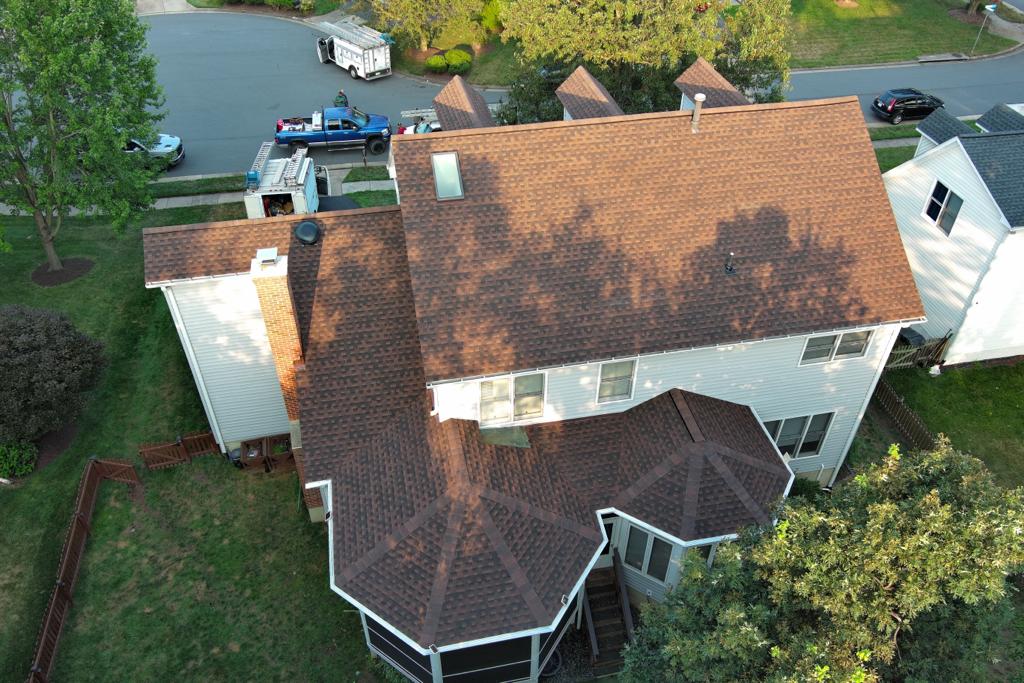
Your roof covers a large portion of your home’s visible exterior, which means the roof color for your home can influence how the entire property looks from the street. The right roofing color can complement your siding, brick, stone, trim, shutters, and other exterior features. A poorly coordinated color, on the other hand, can make those same features feel disconnected.
Choosing a roof color is about more than simply selecting the shingle sample you like most. Homeowners should consider architectural style, permanent exterior materials, surrounding colors, visual contrast, and how roofing samples appear under real outdoor lighting.
If you are planning a roof replacement, understanding how different roofing colors affect your home’s appearance can help you make a choice you will be comfortable seeing for years.
Why Roof Color Matters More Than You Might Think
A roof is one of the largest visual surfaces on most homes. Although siding or brick may attract more attention at eye level, the roof creates a large backdrop that influences the overall exterior design.
The best roof color generally works together with the rest of the property rather than competing for attention.
For example, roof color can influence:
- How large or compact the home appears
- How strongly the roof contrasts with the siding
- Whether exterior materials look coordinated
- How architectural details stand out
- The overall character and curb appeal of the property
This is why choosing a roof color deserves careful consideration during the roof replacement process.
1. Start With Your Home’s Existing Exterior Colors
One of the easiest ways to narrow down roofing color options is to look at the parts of your exterior that are unlikely to change.
These might include:
- Brick
- Stone
- Siding
- Exterior trim
- Shutters
- Doors
- Garage doors
- Chimneys
- Permanent architectural features
Rather than viewing the roof independently, think about the entire exterior as one color palette.
If your property has several existing colors, the roof does not necessarily need to match one of them exactly. Instead, look for a roofing color that complements the overall combination.
For instance, a home featuring warm brick may coordinate differently with certain brown, charcoal, or blended shingle colors than a house with cool gray or blue siding.
The goal is visual balance.
2. Understand the Difference Between Dark and Light Roof Colors
One of the biggest decisions homeowners encounter is whether to choose a lighter or darker roofing color.
Dark Roof Colors
Colors such as charcoal, deep gray, dark brown, and near-black can create stronger visual contrast.
A darker roof can give a home a defined roofline and may work particularly well when paired with lighter exterior siding.
Dark asphalt shingle colors can also provide a traditional appearance that works with many architectural styles.
However, homeowners should avoid choosing a very dark roof solely because it looks dramatic on a small sample. Consider how that color will appear across the entire roof surface.
Light Roof Colors
Lighter gray, weathered tones, and other softer colors may produce a more subtle transition between the roof and exterior walls.
Depending on the home’s design, lighter roofing colors can make the roof feel less visually dominant.
Neither light nor dark is automatically the best roof color. The better choice depends on the house itself and the appearance you want to achieve.
3. Consider Your Home’s Architectural Style
Architecture should also influence your roof color ideas.
Different homes have different roof shapes, pitches, exterior materials, and proportions. Because of this, the same roofing shingle can look completely different from one property to another.
A traditional home may benefit from classic neutral colors, while some contemporary homes can accommodate stronger contrast or more uniform color combinations.
Homes with highly visible rooflines deserve particular attention. If a large portion of the roof can be seen from the street, its color will become an especially significant part of the exterior design.
Before making a final decision, consider whether you want the roof to:
- Blend into the exterior
- Provide moderate contrast
- Become a stronger architectural feature
There is no universal answer. The goal should be to create a combination that fits the architecture of the property.
4. Coordinate Roof Color With Brick and Stone
Brick and stone require special consideration because homeowners typically keep these materials much longer than paint colors.
Instead of focusing only on the dominant color, look closely at the smaller tones within the masonry.
A brick exterior, for example, may contain subtle shades of brown, red, gray, cream, or charcoal. A roofing color that connects with one of these underlying tones can help create a more cohesive exterior.
The same principle applies to stone.
When comparing house and roof color combinations, permanent materials should generally carry more weight than features that can easily be repainted.
5. Think About Contrast
Contrast plays an important role in roof curb appeal.
Imagine a light-colored house paired with a darker charcoal roof. The contrast can make the roofline clearly visible and create strong separation between the upper and lower portions of the home.
Now imagine a similar house with a lighter roof. The transition may appear softer.
Neither approach is necessarily better.
The question is: How much contrast do you want?
If your home’s architecture contains decorative rooflines, dormers, or multiple peaks, greater contrast may emphasize those features. A more closely coordinated palette can create a quieter, more uniform appearance.
6. Remember That Shingles Rarely Look Like One Flat Color
Many modern architectural shingles contain variations in tone rather than one completely uniform shade.
A shingle described as gray, for example, may contain lighter gray, charcoal, brown, or other subtle variations.
Those variations can add dimension to the roof.
However, they also make it important to evaluate the complete shingle rather than relying solely on the color name.
Two products labeled “gray” can look noticeably different once installed.
When exploring roofing shingles, examine actual manufacturer samples and completed examples whenever possible.
7. Look at Roofing Samples Outside
Lighting can significantly affect how colors appear.
A roofing sample viewed inside a showroom or under artificial lighting may look different outdoors.
Take samples outside and compare them against your home’s exterior whenever practical.
Look at them from different angles and under different lighting conditions.
You may notice that certain shingle colors appear warmer, cooler, lighter, or darker depending on the environment.
A small sample still cannot perfectly reproduce the appearance of an entire finished roof, but viewing it outdoors can provide a better reference.
8. Look at Complete Roofs, Not Just Small Samples
A small roofing sample represents only a tiny portion of the finished installation.
Once thousands of shingles cover a roof, the overall visual effect can change.
That is why one of the most useful steps when choosing a roof color is looking at photographs of completed homes using the same or similar roofing product.
Pay attention to:
- Siding color
- Brick or stone
- Roof pitch
- Amount of roof visible
- Trim colors
- Architectural style
- Natural surroundings
Whenever possible, compare examples that resemble your own home.
9. Consider the Surrounding Environment
Your home’s surroundings can also influence how its exterior colors appear.
Trees, landscaping, neighboring properties, and natural light all contribute to the visual environment.
A heavily wooded property may feel different with a particular roofing color than a home in a more open neighborhood.
The goal does not have to be making your house identical to nearby properties. Instead, consider whether your chosen roof color feels appropriate within its surroundings while still complementing your individual home.
10. Don’t Choose a Roof Color Based Only on Trends
Exterior design trends change.
A roof, however, is intended to remain part of your home for many years.
That makes roofing color a different decision from selecting a temporary interior paint color or decorative accessory.
Trendy colors can look attractive, but homeowners should also consider whether they will still appreciate that appearance years from now.
Neutral roofing color options remain popular partly because they can coordinate with a wide variety of exterior materials and future design changes.
The best choice is ultimately one that complements your property and that you feel comfortable living with long-term.
11. Think About Future Exterior Changes
Are you planning to repaint your siding? Replace shutters? Install new windows? Change your front door?
Think about those projects before selecting your roof.
Because roofing is generally a longer-term exterior component, your roof color for your home should ideally work with both the current design and any reasonably planned future changes.
For example, choosing a highly specific roofing color to match siding that you intend to replace soon may unnecessarily limit future design choices.
A versatile roofing palette can give you more flexibility.
12. Roof Color Is Only One Part of Choosing a Roofing System
Appearance matters, but color should not become the only consideration when selecting roofing materials.
Homeowners should also discuss factors such as the roofing system, product specifications, installation requirements, ventilation, flashing, underlayment, roof decking condition, and manufacturer options with a qualified roofing professional.
A beautiful roof still needs to perform its primary job: protecting the home.
The ideal roof replacement balances appearance, materials, installation quality, and long-term performance.
Common Roof Color Combinations
Although every property is different, homeowners can use these general combinations as inspiration.
White or cream siding: Charcoal, gray, brown, and other contrasting neutral roofing colors can create definition.
Gray siding: Depending on the undertones, charcoal, black, gray blends, or selected brown tones may work well.
Red brick: Brown, charcoal, gray, and blended roofing shingles may complement different brick undertones.
Beige or tan siding: Brown, weathered gray, charcoal, and complementary blended colors can create a coordinated appearance.
Blue siding: Gray and charcoal roofing colors are common options, although the exact combination depends heavily on the shade and undertone.
These are starting points rather than strict rules. Actual material samples should be compared directly with the home before making a final selection.
FAQ: Roof Color for Your Home
What is the most popular roof color?
Neutral shades such as charcoal, gray, brown, and black are commonly chosen because they coordinate with many exterior color palettes. However, the best roof color for your home depends on your siding, brick, stone, trim, architecture, and personal preferences.
Should my roof be darker than my house?
Not necessarily. A darker roof can provide stronger contrast against lighter siding, while a lighter or similarly toned roof can create a more blended appearance. Both approaches can work depending on the home’s design.
How do I choose a roof color that matches brick?
Look beyond the brick’s primary color and identify its undertones. Then compare roofing samples that complement those secondary shades. Viewing actual samples against the brick outdoors can make the decision easier.
Do roof colors look different after installation?
They can. A small sample does not show exactly how thousands of shingles will appear across a complete roof. Lighting, roof pitch, shadows, surrounding materials, and shingle color variation can all influence the final appearance.
Should I choose roof color before siding color?
If both are being replaced, consider them together. If the siding will remain in place, use its existing color as one of the primary references when evaluating roofing color options.
Are architectural shingles available in multiple colors?
Yes. Architectural shingles are available in many colors and blended appearances, although specific options depend on the manufacturer and product line. Ask your roofing contractor to show you current samples for the roofing system being considered.
Can a roofing contractor help me choose a shingle color?
A roofing professional can explain available products, provide manufacturer samples, and may be able to show examples of completed roofs. The final aesthetic choice remains yours, but seeing real materials and installations can make comparing options easier.
Make Your New Roof Part of Your Home’s Design
Your roof does much more than cover your home. Because it occupies such a large portion of the exterior, its color can influence the property’s overall character, contrast, and curb appeal.
When selecting the roof color for your home, consider your siding, brick, stone, architectural style, permanent exterior materials, surroundings, and future design plans. Compare real samples outdoors and look at completed installations instead of relying solely on a digital image or small color swatch.
Most importantly, balance appearance with the quality and suitability of the overall roofing system.
Ready to Explore Your Roof Replacement Options?
Insured Roofs helps homeowners understand their roof condition and available roofing options so they can make informed decisions about their property. The company serves the DC, Maryland, and Virginia region with a licensed and insured team.
If you’re considering a roof replacement and want to explore roofing materials, shingle styles, and roof color options, schedule a roof inspection with Insured Roofs today.
Choose a roof that protects your home and complements the way your home looks.