Beyond the Shingles: How Insured Roofs Protects Crews in Sweltering Heat
Roofing is demanding work under any conditions. When Virginia temperatures rise, however, the combination of direct sunlight, physical exertion, elevated surfaces, and heat-absorbing roofing materials can make an already challenging job even harder. That is why roofing heat safety must remain a priority on every hot-weather project.
Insured Roofs recently received local media attention for the steps our team takes to support workers during periods of extreme heat. In a September 3, 2026, report titled “Roofers Brace for Work in Sweltering Heat With Cooling Stations,” 29News/WVIR visited an Insured Roofs project in Charlottesville, Virginia, to learn how our crews manage demanding summer conditions.
The report highlighted cooling stations, shaded rest areas, hydration, flexible breaks, communication, and recurring safety meetings. Together, these measures demonstrate an important principle: roofing heat safety begins with recognizing that the people doing the work must always come first.
Insured Roofs Featured in a Local 29News Report
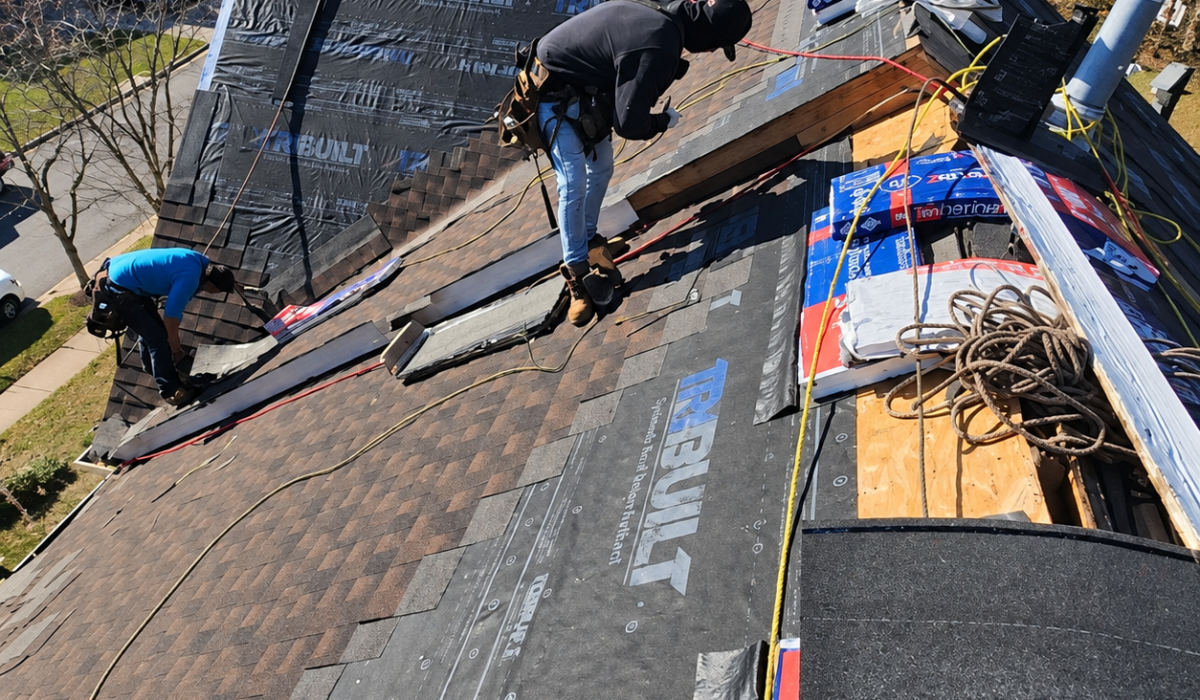
The 29News story focused on what happens behind the scenes when roofing professionals must work through sweltering Virginia weather. Although homeowners usually see the finished roof, they may not see the preparation, coordination, and safety awareness required to complete a project during periods of intense heat.
Chris Campbell, Sales Manager at Insured Roofs, explained that cooling stations and tents are made available so crew members can take breaks and recover between work intervals. These shaded areas give workers a place to step away from direct sunlight, rest, cool down, and hydrate.
Chris also emphasized that roofing crews are the backbone of the company. That statement captures why roofing heat safety matters so much to us. Every roof replacement, inspection, and repair depends on skilled people who bring experience, focus, and dedication to the job.
Protecting those people is not separate from providing professional roofing service. It is an essential part of doing the work responsibly.
Why Roofing Heat Safety Requires Special Attention
A roof can become significantly hotter than the surrounding air. Roofing materials absorb solar energy, and crews may spend hours performing physically demanding tasks with limited natural shade. Carrying materials, removing old roofing, installing components, and moving carefully across a roof all place additional demands on the body.
These conditions make roofing heat safety especially important during the summer. Heat does not affect every person in exactly the same way, and conditions can change throughout the day. Humidity, direct sunlight, airflow, workload, clothing, hydration, and personal health can all influence how a worker responds.
The risks also extend beyond discomfort. Excessive heat can affect concentration, coordination, balance, and decision-making. Those abilities are critical on an active roofing site. A strong roofing heat safety approach must therefore address both heat-related illness and the broader job-site risks that may increase when workers become overheated or fatigued.
Cooling Stations Create a Place to Recover
One of the most visible measures featured by 29News was the use of on-site cooling stations. These areas provide shade and give crew members somewhere to recover away from the roof’s intense heat.
Cooling stations support roofing heat safety by making rest more accessible. If the nearest shaded location is inconvenient or far from the work area, a worker may be tempted to delay a needed break. Placing a cooling area near the project reduces that barrier and reinforces the message that taking time to recover is part of the work process.
A cooling station does not eliminate every hot-weather risk by itself. It works best as one part of a larger roofing heat safety approach that includes water, rest, awareness, communication, and active supervision.
The 29News report showed that workers at Insured Roofs can use the cooling area and take the time they need between work intervals. This flexibility is important because heat conditions and individual recovery needs may vary throughout the day.
Hydration Is Essential on a Hot Roofing Site
Water is another fundamental part of roofing heat safety. During physically demanding outdoor work, the body loses fluids through perspiration. Those fluids need to be replaced consistently not only after someone begins to feel unwell.
Freddy Villtoro, Installation Crew Leader at Insured Roofs, told 29News that the team makes sure workers have plenty of water. He also explained that hydration and rest cannot be compromised when crews are working in high heat.
Effective roofing heat safety encourages workers to drink water regularly and communicate when they need additional supplies or time to recover. Waiting until someone feels extremely thirsty, dizzy, or exhausted can allow a preventable situation to become more serious.
Hydration also needs to be supported by practical job-site planning. Water must be readily available, replenished as needed, and easy for workers to access throughout the project.
Workers Must Be Able to Take Necessary Breaks
Scheduled rest periods are valuable, but roofing heat safety also requires flexibility. A crew member may need an additional break because of the temperature, the intensity of the task, or how they are feeling at that moment.
Freddy explained in the news report that workers should not hesitate to come down from the roof if they begin feeling dizzy. The proper response is to move to the shade, rest, and avoid pushing through warning signs.
That message matters because workers should feel comfortable speaking up before a concern becomes an emergency. A strong roofing heat safety culture does not treat a necessary break as a failure or inconvenience. It recognizes rest as a preventive measure that helps protect the worker and everyone else on the site.
Recognizing Possible Heat-Related Warning Signs
Awareness is an important component of roofing heat safety. Workers and supervisors should pay attention to physical or behavioral changes that could signal that someone is struggling with the heat.
Possible warning signs can include:
- Dizziness or lightheadedness
- Headache
- Unusual fatigue or weakness
- Nausea
- Heavy sweating
- Muscle cramps
- Confusion
- Loss of coordination
- Fainting or collapse
Symptoms should never be ignored. A person experiencing possible heat-related illness should be moved away from the heat, assisted promptly, and evaluated according to the seriousness of the situation. Confusion, fainting, seizures, or other severe symptoms may indicate a medical emergency requiring immediate professional assistance.
Roofing heat safety depends on early action. Recognizing a problem quickly can prevent a worker from remaining on an elevated surface while their condition worsens.
Communication Protects the Entire Crew
The individual worker is not solely responsible for roofing heat safety. Supervisors, crew leaders, and coworkers all have a role in watching conditions, maintaining supplies, communicating concerns, and supporting appropriate breaks.
Team members often notice changes in a coworker before that person recognizes the problem themselves. Someone may appear unusually tired, confused, unsteady, or less responsive. Encouraging workers to look out for one another creates another layer of protection.
Clear communication also helps the team adjust the pace of work when conditions become more difficult. Roofing heat safety is strongest when workers know whom to contact, where to take a break, how to access water, and what to do when someone displays concerning symptoms.
Safety Meetings Help Crews Keep Improving
The 29News feature also highlighted Insured Roofs’ recurring crew safety meetings. Freddy explained that the team meets approximately every four weeks to discuss safety and identify ways to improve.
Regular meetings help make roofing heat safety an ongoing conversation instead of a topic discussed only on exceptionally hot days. They give crew members opportunities to review procedures, share concerns, learn from recent projects, and prepare for changing weather conditions.
These discussions can address hydration, rest areas, job-site organization, emergency communication, equipment, and signs of heat-related illness. They can also help new team members understand expectations before encountering difficult conditions.
Most importantly, recurring meetings reinforce that safety practices should continue to evolve. Roofing heat safety requires attention, feedback, and a willingness to improve whenever a better approach is identified.
Responsible Planning Helps Keep Projects Moving
Homeowners may wonder whether additional breaks or cooling periods will affect the project schedule. The reality is that responsible planning helps crews work more consistently and reduces the possibility of a heat-related incident disrupting the job.
Before a project begins, roofing contractors can consider the forecast, expected workload, access to shade, water availability, and the location of rest areas. Crews may also organize certain tasks around changing conditions when practical.
Roofing heat safety and productivity should not be treated as opposing goals. A supported, hydrated, and alert crew is better prepared to maintain focus and complete detailed work responsibly.
Weather can still affect project timing. If conditions become unsafe, the appropriate decision may be to pause or adjust the work. Homeowners should view those decisions as evidence of responsible project management, not as a lack of commitment.
Why Crew Safety Matters to Homeowners
A company’s approach to roofing heat safety can reveal a great deal about its overall culture. Contractors that plan carefully for their crews are more likely to understand the importance of preparation, communication, and accountability throughout a roofing project.
For homeowners, that matters because a roof replacement involves much more than installing shingles. It requires material coordination, property protection, cleanup, careful installation, and communication between multiple people.
When workers have access to proper rest, water, shade, and support, they are better positioned to remain focused on the details of the project. Roofing heat safety therefore supports both worker well-being and a more organized job-site environment.
The People Behind Every Insured Roofs Project
The most important part of the 29News feature was its focus on people. Roofing projects may involve shingles, underlayment, flashing, ventilation, and other technical components, but skilled crew members are responsible for bringing the entire roofing system together.
Their experience and dedication deserve respect. That includes providing the resources they need when temperatures rise.
At Insured Roofs, roofing heat safety reflects how we want our team members to be treated: as essential contributors whose health and well-being matter. Cooling stations, hydration, shade, necessary breaks, coworker support, and regular safety discussions are all part of that commitment.
We are grateful to 29News for showing viewers a side of roofing that homeowners do not always get to see. The report offered a valuable reminder that behind every completed roof is a team of hardworking people.
A Continuing Commitment to Roofing Heat Safety
Hot weather is a recurring part of roofing work in Virginia. For that reason, roofing heat safety cannot be limited to one project, one cooling station, or one television interview.
It requires continued awareness and preparation. Conditions must be evaluated, supplies must remain available, and crew members must be encouraged to communicate honestly about how they are feeling.
Our commitment is to keep learning, listening, and strengthening the practices that support our team. Roofing heat safety will remain an important part of how we plan summer projects and care for the people who perform them.
Frequently Asked Questions About Roofing Heat Safety
Why is roofing work especially challenging in hot weather?
Roofers work in direct sunlight on surfaces that can absorb and retain considerable heat. The physical demands of removing materials, carrying supplies, and installing roofing components add to the strain. These conditions make roofing heat safety particularly important during hot and humid weather.
What is a roofing cooling station?
A cooling station is a designated shaded area where workers can step away from direct heat, drink water, rest, and cool down. At Insured Roofs, on-site tents help provide crews with accessible recovery areas during hot-weather projects.
Why are hydration breaks important for roofers?
Physical work in hot conditions causes the body to lose fluids through perspiration. Regular access to water supports hydration and helps reduce heat-related risks. Hydration breaks are therefore a core part of roofing heat safety.
What should happen if a roofer starts feeling dizzy?
Dizziness should not be ignored. The worker should stop, come down from the roof safely, move to a cooler or shaded area, and receive appropriate assistance. Serious or worsening symptoms may require emergency medical attention.
Do cooling breaks delay a roof replacement?
Necessary breaks are part of responsible planning. While they may affect the pace of work, they help workers remain alert and reduce the risk of a more serious incident. The weather itself may sometimes require a roofing contractor to adjust the schedule.
Does Insured Roofs hold regular safety meetings?
According to Installation Crew Leader Freddy Villtoro in the 29News report, the company’s crews meet about every four weeks to discuss safety and ways to improve. These conversations help keep roofing heat safety and other job-site practices at the forefront.
Can homeowners help during extremely hot roofing projects?
Homeowners can help by keeping agreed-upon access areas clear, securing pets, following project instructions, and understanding that crews may need extra breaks or schedule adjustments. Homeowners should allow the contractor to manage the crew and job site rather than entering active work areas.
Is roofing heat safety only necessary during heat advisories?
No. Heat-related risks can be present even when an official advisory has not been issued. Direct sunlight, humidity, roof-surface temperatures, physical exertion, and limited airflow can all affect conditions. Roofing heat safety should be considered whenever crews perform demanding work in warm weather.
Choose a Roofing Company That Values Its People
Every successful roofing project begins with experienced people, careful planning, and a commitment to doing the work responsibly. We are proud that 29News highlighted the steps Insured Roofs takes to support crew members during sweltering weather.
If you are planning a roof inspection, repair, or replacement in Virginia, choose a team that understands the importance of communication, preparation, and safety from the beginning of the project through the final cleanup.
Contact Insured Roofs today to schedule your roof inspection and learn more about our professional approach to protecting Virginia homes.