- By Mendelssohn Casanas
- Construction Blog
- 0 Comment
Roofing Contractor Certifications: What Homeowners Should Know Before Hiring a Roofer
Choosing a roofing contractor is a major decision for any homeowner. Your roofing system protects your home from rain, wind, heat, snow, debris, and changing weather conditions, so the contractor you hire should be evaluated carefully. Price and availability matter, but they should not be the only factors you consider.
One important factor is roofing contractor certifications.
Roofing contractor certifications can provide additional information about a contractor’s professional background, manufacturer relationships, training, or qualifications. Depending on the certification, a roofing company may need to satisfy specific requirements established by a roofing-material manufacturer or professional organization.
However, homeowners should also understand that roofing contractor certifications are not all the same, and certification alone should never replace checking licensing, insurance, experience, references, workmanship practices, and the details of the proposed roofing system.
At Insured Roofs, trust and technical expertise are central to the company’s positioning. The company’s marketing strategy emphasizes roofing expertise, field-based specialists, homeowner education, real project proof, and strong reviews.
Here is what homeowners should know about roofing contractor certifications before choosing someone to work on their home.
What Are Roofing Contractor Certifications?
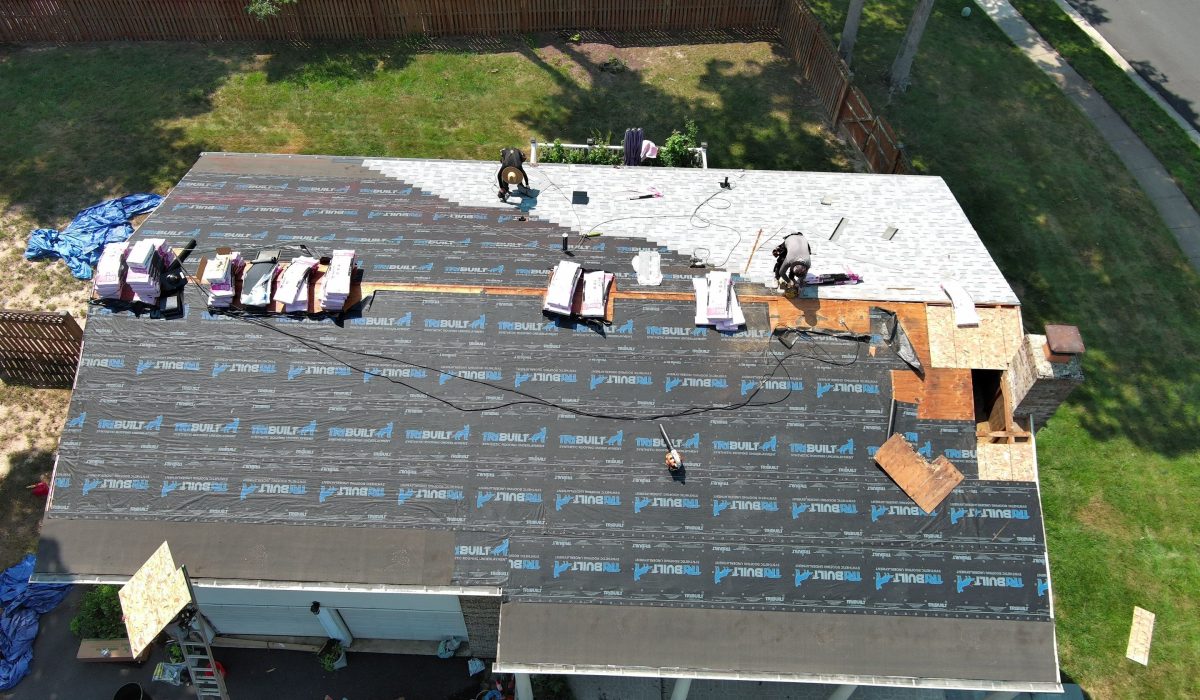
Roofing contractor certifications are credentials or designations that may be awarded by manufacturers, industry organizations, or other qualifying bodies.
The exact requirements vary significantly.
Depending on the program, becoming a certified roofing contractor may involve requirements related to business standing, insurance, licensing where required, training, installation knowledge, experience, or other standards.
This distinction matters because the word “certified” by itself does not tell you everything about a roofing company.
When researching roofing contractor certifications, homeowners should ask:
- Who issued the certification?
- What does the certification require?
- Is the certification current?
- Does it apply to the roofing material being proposed?
- Does the contractor also carry appropriate licensing and insurance?
- What warranty options apply to the specific project?
These questions give you a much clearer picture than simply seeing a certification logo on a website.
Why Do Roofing Contractor Certifications Matter?
1. Certifications Can Indicate Additional Training or Qualification
Roofing systems are more complicated than simply attaching shingles to a roof deck.
A complete roofing system can involve decking, underlayment, flashing, valleys, ventilation, penetrations, drip edge, fasteners, shingles, ridge components, and other materials.
Proper installation requires understanding how these components work together.
Certain roofing contractor certifications may involve manufacturer-specific education or qualification standards. That can give homeowners another useful factor to consider when evaluating potential contractors.
It does not mean every certified contractor will perform identically. Instead, roofing contractor certifications should be viewed as one part of a broader contractor-selection process.
2. Certifications Can Help Homeowners Evaluate Professionalism
Anyone researching roof replacement will quickly discover a long list of roofing companies.
It can be difficult to determine which company deserves your trust.
This is where roofing contractor certifications can help narrow the field.
A recognized certification may demonstrate that the roofing company has taken additional steps to establish a relationship with a manufacturer or satisfy the requirements of a professional program.
But homeowners should look beyond the badge.
Ask the contractor to explain what its roofing contractor certifications actually mean. A knowledgeable contractor should be able to clearly explain the certification, the organization that issued it, and how it relates to your project.
Transparency is more valuable than a collection of logos without explanation.
3. Manufacturer Certifications May Matter for Roofing Systems
Many major roofing manufacturers operate contractor programs.
These programs can have different qualification levels, requirements, benefits, and terminology.
That makes manufacturer-backed roofing contractor certifications especially worth discussing when you are comparing roofing estimates.
If a contractor recommends a particular manufacturer, ask whether the company holds a relevant certification or contractor designation from that manufacturer.
You can also ask what that designation means for:
- Installation requirements
- Roofing system components
- Product selection
- Available warranty options
- Contractor eligibility
- Manufacturer specifications
Do not assume that every certified roofing contractor automatically offers the same warranty. Warranty eligibility and terms can depend on the manufacturer, products, roofing system, contractor status, installation, registration, and other conditions.
Always review the actual warranty documentation applicable to your project.
4. Certifications and Licensing Are Not the Same Thing
This is one of the most important distinctions homeowners should understand.
Roofing contractor certifications and government licensing are not necessarily the same.
A certification may come from a manufacturer or industry organization. A contractor license, where required, comes from the appropriate governmental authority.
Therefore, seeing roofing contractor certifications should not stop you from verifying the contractor’s licensing status where applicable.
Insured Roofs identifies itself as licensed and insured and lists its Virginia and Maryland license numbers in its brand materials.
Before hiring any roofing company, homeowners should independently confirm the credentials relevant to their location and project.
5. Insurance Still Matters
Even strong roofing contractor certifications do not eliminate the need to ask about insurance.
Roofing involves working at height, moving heavy materials, using tools, and working around a homeowner’s property.
Ask prospective contractors for current proof of applicable insurance and verify anything that is important to your hiring decision.
A professional roofing company should be prepared to discuss its credentials rather than avoiding questions about them.
The goal is to look at the entire picture:
certifications + licensing + insurance + experience + reputation + workmanship + written project details.
That provides a much stronger basis for selecting a contractor than relying on a single credential.
6. Roofing Contractor Certifications Can Build Homeowner Confidence
Replacing or repairing a roof can feel complicated, particularly for homeowners who have never gone through the process.
There are materials to compare, ventilation considerations, estimates to understand, warranties to review, and numerous contractors competing for the project.
Recognized roofing contractor certifications can provide another trust signal during that evaluation.
Insured Roofs, for example, uses GAF Certified™ as one of its published trust marks alongside “Licensed & Insured” and “5-Star Rated.”
That does not mean homeowners should hire a contractor solely because of a certification. Instead, the certification becomes one piece of evidence alongside project history, reviews, communication, inspection quality, and documentation.
7. Certifications Can Be Especially Relevant When Comparing Estimates
Imagine receiving three roof replacement estimates.
The prices are different. The proposed materials are different. Each contractor describes the roofing system differently.
How do you compare them?
Checking roofing contractor certifications gives you another question to add to your comparison.
Instead of asking only:
“How much will my roof cost?”
also ask:
“Why are you recommending this roofing system, and what qualifications do you have to install it?”
A lower estimate is not automatically the best value, and a higher estimate does not automatically mean better quality.
Compare what is actually included.
Look at materials, ventilation, flashing, underlayment, workmanship, cleanup, warranties, project scope, contractor credentials, and roofing contractor certifications before making your decision.
8. Certifications Do Not Replace Real Roofing Experience
There is another side to this conversation that homeowners should understand.
Roofing contractor certifications matter, but certifications alone do not guarantee the outcome of every project.
Roofing is field work.
Real-world experience matters.
Your contractor must understand existing roof conditions, material compatibility, flashing details, ventilation, roof geometry, drainage, penetrations, decking conditions, and other project-specific factors.
That is why homeowners should consider roofing contractor certifications alongside evidence of real work.
Insured Roofs’ marketing blueprint specifically prioritizes real project proof, field-based roofing specialists, photo and video documentation, homeowner education, and strong reviews as authority signals.
When evaluating a roofer, ask to see examples of relevant completed projects when available.
9. Certifications Can Help You Ask Better Questions
One of the greatest benefits of researching roofing contractor certifications is that it encourages homeowners to ask more detailed questions.
Try asking:
“What roofing contractor certifications does your company currently hold?”
Then follow with:
“What was required to earn those certifications?”
And:
“How does that certification apply to the roofing system you’re recommending for my home?”
Those questions can lead to a much more useful conversation than simply asking for the lowest price.
A qualified roofing professional should be able to explain materials and project recommendations in understandable terms.
10. Verify Certifications Instead of Assuming
If a certification influences your hiring decision, verify it.
Manufacturer programs and contractor statuses can change. Roofing contractor certifications may have specific requirements or expiration conditions.
Visit the organization or manufacturer’s official website when possible and check whether the contractor’s designation is current.
You should take the same approach with:
- Contractor licenses
- Insurance documentation
- Manufacturer credentials
- Reviews
- Business information
- Warranty claims
Verification only takes a little extra time and can help you make a more informed decision.
11. Look at the Entire Roofing Contractor, Not Just the Certification
A trustworthy contractor should offer more than roofing contractor certifications.
Look at how the company communicates from the first conversation.
Did they explain what they observed?
Did they answer your questions clearly?
Did they provide a detailed scope?
Are the proposed roofing materials identified?
Can they explain warranty terms without exaggerating them?
Do they have legitimate customer reviews?
Can they show real project experience?
Are licensing and insurance details available?
Are their roofing contractor certifications relevant and verifiable?
The answers collectively tell you far more than any individual badge.
Roofing Contractor Certifications and Storm Restoration
Contractor qualifications can become especially important when roofing concerns appear after severe weather.
Homeowners may be dealing with wind damage, missing shingles, leaks, gutter problems, siding damage, or other exterior concerns.
In these situations, the contractor’s role should remain focused on evaluating roofing and construction conditions, documenting what is visible, and explaining repair or replacement recommendations.
Insured Roofs’ compliance guidelines specifically state that the company provides inspections, photos, measurements, repair recommendations, construction documentation, and scope information while not acting as a public adjuster or determining insurance coverage.
Choosing a contractor with appropriate roofing contractor certifications, relevant experience, and clear documentation practices can help homeowners better understand the physical condition of their roofing system.
How to Choose a Certified Roofing Contractor
Before signing a roofing contract, use this simple checklist:
- Check roofing contractor certifications. Determine who issued each credential and what it means.
- Verify licensing. Confirm required contractor licensing through the appropriate authority.
- Ask for proof of insurance. Make sure the information is current.
- Check reviews and project history. Look for consistent patterns rather than relying on one review.
- Compare detailed estimates. Don’t compare price alone.
- Understand materials and warranties. Ask exactly what products are being installed and which warranty terms apply.
- Ask about inspection and documentation practices. Understand how the contractor evaluates and records roof conditions.
- Get the project scope in writing. Make sure you understand what is and is not included.
Following these steps makes roofing contractor certifications part of a complete evaluation instead of treating certification as a guarantee.
FAQ: Roofing Contractor Certifications
What are roofing contractor certifications?
Roofing contractor certifications are credentials or designations that may be issued by roofing manufacturers, industry organizations, or other qualifying bodies. Requirements vary by program and may include training, business qualifications, insurance, licensing, experience, or other criteria.
Are roofing contractor certifications important?
Yes, roofing contractor certifications can be a useful trust and qualification signal. However, homeowners should evaluate certifications alongside licensing, insurance, experience, reviews, workmanship, project documentation, and written warranty information.
Is a certified roofing contractor automatically licensed?
Not necessarily. Roofing contractor certifications and contractor licensing are different concepts. Certification may come from a manufacturer or professional organization, while licensing is typically administered by a government authority. Always verify both when applicable.
Does certification guarantee a better roof?
No credential can guarantee the outcome of every roofing project. Roofing contractor certifications can indicate that certain program requirements have been satisfied, but workmanship, roof conditions, materials, installation practices, project management, and other factors still matter.
Do certified roofing contractors offer better warranties?
Certain manufacturer programs may provide contractors with eligibility for particular warranty options, but terms vary. Do not assume that roofing contractor certifications automatically provide a specific warranty. Ask for the warranty details that apply to your exact roofing system and project.
How can I verify roofing contractor certifications?
Ask the contractor who issued the certification and then check with the issuing manufacturer or organization when verification is available. You can also request current documentation.
What else should I check before hiring a roofing contractor?
Along with roofing contractor certifications, check applicable licensing, insurance, experience, customer reviews, project examples, written estimates, proposed materials, warranties, communication practices, and the complete project scope.
Is Insured Roofs certified?
Insured Roofs‘ current brand materials list GAF Certified™, Licensed & Insured, and 5-Star Rated among its trust marks. Homeowners can ask the team for current details about certifications and manufacturer programs relevant to their specific roofing project.
Protect Your Home by Choosing the Right Roofing Professional
Your roof is too important to choose a contractor based on price alone.
Roofing contractor certifications can provide valuable insight into a roofing company’s qualifications and manufacturer relationships, but they should be considered alongside licensing, insurance, real project experience, reviews, documentation, communication, and workmanship.
If you’re considering a roof repair, roof replacement, or simply want to better understand the condition of your roof, Insured Roofs can inspect your roofing system, document visible conditions, and explain appropriate construction-related next steps.
Insured Roofs serves homeowners throughout the DC, Maryland, and Virginia area and describes its team as licensed and insured.
Schedule Your Roof Inspection
Have questions about your roof or the credentials you should look for in a contractor?
Contact Insured Roofs to schedule a roof inspection and learn more about our roofing contractor certifications, inspection process, and roofing services.
Insured Roofs We Protect What Protects You.