How Can You Tell If Your Roof Has Hail Damage After a Storm?
A hailstorm can pass in minutes, but the effects on your roofing system may last much longer. One of the challenges homeowners face is that roof hail damage is not always obvious from the ground. Your roof may appear normal immediately after a storm while shingles, flashing, gutters, vents, or other roofing components have experienced damage.
Knowing the common signs of roof hail damage can help you determine when it is time to schedule a professional roof inspection. Instead of climbing onto the roof yourself, homeowners should start with a safe visual check from ground level and look for changes around the property.
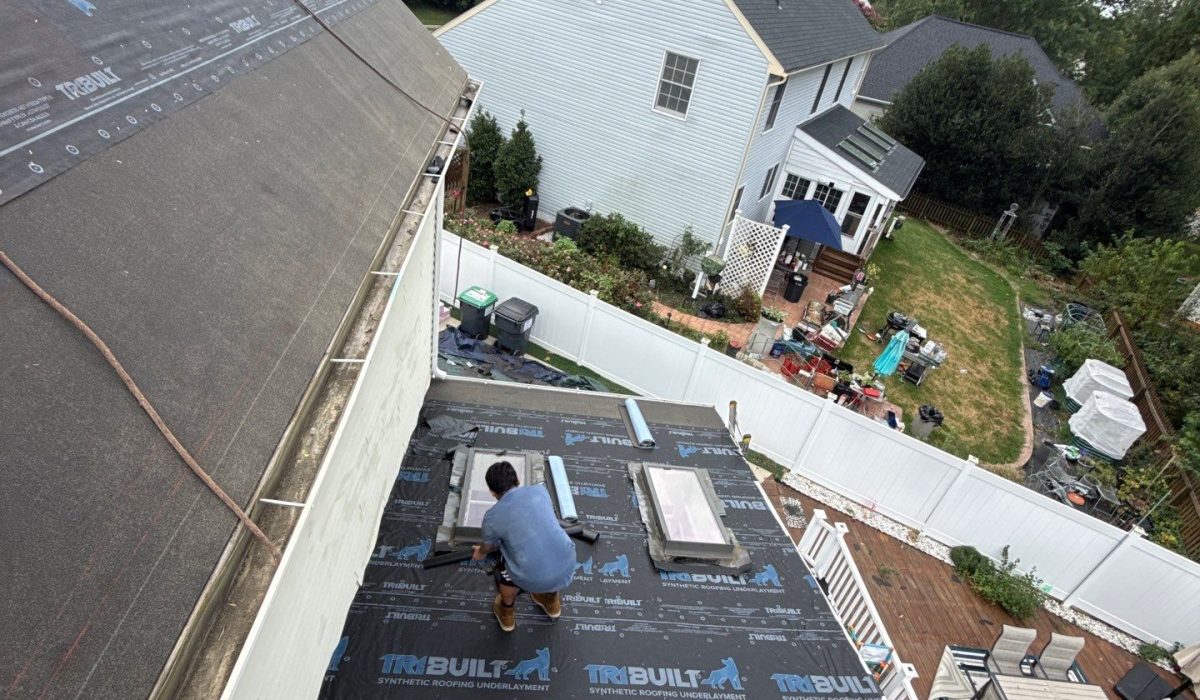
At Insured Roofs, storm restoration and homeowner education are important parts of our work throughout DC, Maryland, and Virginia. The company documents assessments using photos, drone imagery, and thermal imaging where appropriate.
Here is what homeowners should know about roof hail damage, what it can look like, and what to do after a hailstorm.
What Is Roof Hail Damage?
Roof hail damage occurs when hailstones strike roofing materials with enough force to alter or damage their condition. The severity can vary considerably from one storm to another.
Not every hailstorm causes the same amount of damage. Factors that may influence roof hail damage include:
- Size and density of the hailstones
- Wind speed and direction
- Duration of the storm
- Roofing material
- Age and existing condition of the roof
- Roof slope and orientation
- Surrounding trees or structures
For example, asphalt shingles may experience granule displacement or impact marks, while metal roofing can show dents. Gutters, vents, flashing, siding, and other exterior components may also provide clues that hail struck the property.
Because some signs of roof hail damage can be difficult to identify without a close inspection, professional documentation can provide a clearer understanding of the roof’s condition.
1. Look for Excessive Granule Loss
One potential sign of roof hail damage on asphalt shingles is granule loss.
Asphalt shingles contain protective surface granules. When hail strikes a shingle, the impact may loosen or displace some of these granules. Areas affected by hail can sometimes appear darker or different from the surrounding shingle surface.
However, granule loss does not automatically mean you have roof hail damage. Shingles naturally lose some granules over time, particularly as they age.
That is why the overall pattern, age of the roof, storm history, and condition of surrounding shingles should be considered during an inspection.
2. Check Your Gutters and Downspouts
You do not necessarily need to get onto your roof to find possible clues.
After a hailstorm, inspect your gutters and downspouts safely from the ground.
You may notice an unusual accumulation of asphalt granules near downspout discharge areas or other accessible locations. While some granule shedding is normal, a noticeable increase following severe weather may be worth investigating.
Gutters themselves can also show evidence of hail impact. Depending on their material and the intensity of the storm, dents or impact marks may be visible.
Gutter damage combined with other signs can help a roofing professional evaluate whether roof hail damage may also be present.
3. Look for Dents on Roof Vents and Metal Components
Metal components can provide useful clues during a roof hail damage inspection.
Hailstones may leave visible dents on softer metal surfaces such as:
- Roof vents
- Metal flashing
- Gutters
- Downspouts
- Vent caps
- Other exposed metal components
The presence of dents does not automatically establish the condition of the shingles, but it can indicate that the property experienced hail impact.
A professional can compare these areas with the condition of the roofing material to develop a more complete picture.
4. Watch for Impact Marks on Shingles
Some roof hail damage appears as impact marks on individual shingles.
Depending on the roofing material, age, and storm intensity, these marks may appear as localized areas of disturbed granules, surface changes, or other irregularities.
These signs can be difficult for homeowners to distinguish from ordinary aging, manufacturing characteristics, blistering, foot traffic, or other types of wear.
That is one reason a hail damage roof inspection can be valuable. An experienced roofing professional can evaluate the pattern of the marks rather than relying on a single spot.
5. Check for Cracked or Broken Shingles
Larger hailstones and strong winds can sometimes contribute to more visible roof hail damage.
From a safe position on the ground, look for shingles that appear:
- Cracked
- Broken
- Missing
- Lifted
- Displaced
- Different from surrounding shingles
Do not climb onto the roof to investigate these areas yourself. A roof can be slippery after a storm, and damaged roofing materials may be less stable than they appear.
The Insured Roofs marketing plan specifically calls for avoiding unsafe roof footage and emphasizes real inspections and field documentation.
6. Inspect Siding, Windows, Screens, and Other Exterior Areas
One useful way to identify the possibility of roof hail damage is to examine the rest of your home’s exterior.
Hail does not selectively strike only the roof.
Depending on the direction of the storm, you might notice changes to siding, window screens, gutters, downspouts, exterior trim, or other exposed materials.
Multiple signs of impact around the property can provide useful context when determining whether a roof hail damage inspection is appropriate.
7. Look for New Water Stains Indoors
Not every roofing problem produces an immediate leak.
Nevertheless, after severe weather, homeowners should pay attention to new interior changes such as ceiling discoloration, water stains, damp areas, or moisture around attic penetrations.
A water stain does not necessarily prove roof hail damage caused the problem. Leaks can originate from several sources, including flashing, penetrations, aging roofing materials, plumbing, or pre-existing conditions.
But if a new stain appears shortly after a hailstorm, having the roof evaluated can help identify the source.
8. Pay Attention to Flashing and Roof Penetrations
Flashing plays an important role in directing water away from vulnerable roof transitions.
It is commonly installed around areas such as chimneys, walls, valleys, skylights, and roof penetrations.
When evaluating potential roof hail damage, these areas deserve attention because storm conditions can affect more than the field shingles.
A professional inspection should consider the roofing system as a whole rather than looking only for obvious marks on individual shingles.
9. Consider What Happened Around Your Property
Sometimes the first indication of possible roof hail damage is not on the roof at all.
Look around your property after the storm. You may notice damaged plants, dents on outdoor equipment, damaged vehicles, marks on gutters, or other signs that significant hail reached your home.
These observations do not confirm roof hail damage, but they can help establish that the property experienced meaningful hail exposure.
If several exterior surfaces show fresh impact damage, scheduling a roof inspection may be a sensible next step.
Can Roof Hail Damage Be Invisible From the Ground?
Yes. Some roof hail damage can be difficult or impossible for a homeowner to identify accurately from ground level.
A roof can look relatively normal from the driveway while individual shingles or roofing components show impact-related changes during a closer inspection.
This is particularly important because homeowners should not climb onto a roof immediately after a storm simply to look for damage.
Instead, document what you can safely see from the ground. Take photos of visible exterior changes, note approximately when the storm occurred, and arrange a professional inspection when appropriate.
Insured Roofs‘ storm-restoration positioning specifically includes wind and hail damage inspections as well as photo and video documentation.
Does Hail Damage Mean You Need a New Roof?
Not necessarily.
Finding roof hail damage does not automatically mean the entire roof needs replacement.
The appropriate repair approach depends on factors such as the extent and location of the damage, roofing material, roof age, overall condition, installation details, and whether individual components can be repaired appropriately.
A qualified roofing contractor should inspect the complete roofing system before recommending repair or replacement.
That is why homeowners should be cautious about assuming either extreme: that every hailstorm requires a new roof or that a roof is fine simply because no obvious damage is visible from the ground.
What Should You Do After a Hailstorm?
Once severe weather has passed and it is safe to go outside, perform a ground-level inspection of your property.
Photograph anything unusual, including damaged gutters, siding, downspouts, exterior fixtures, or visible roofing changes. Inside the home, check ceilings and accessible attic areas for new signs of moisture.
Most importantly, do not climb onto the roof after a hailstorm.
If you suspect roof hail damage, arrange for a qualified roofing professional to perform a closer inspection. Insured Roofs can document visible roof and exterior conditions and provide photos, measurements, repair recommendations, and construction-related scope information.
Why Professional Roof Hail Damage Documentation Matters
A professional roof hail damage inspection should do more than simply label a roof “damaged” or “not damaged.”
A thorough inspection helps document the actual condition of the roofing system.
Depending on the property and inspection method, documentation may include photographs, measurements, observations about roofing materials, and information about affected components.
For homeowners, this provides a clearer record of what was actually observed after the storm and can help them make informed repair decisions.
Insured Roofs‘ brand materials describe the company as licensed and insured and note the use of photos, drone imagery, and thermal scans in inspection documentation.
Frequently Asked Questions About Roof Hail Damage
What does roof hail damage look like?
Roof hail damage can appear differently depending on the roofing material. On asphalt shingles, possible signs include disturbed granules, localized impact marks, cracks, or other surface changes. Metal components may show dents. Because several normal roofing conditions can resemble hail impacts, professional evaluation is recommended.
Can small hail cause roof hail damage?
Hail size is only one factor. Wind speed, roof condition, roofing material, storm duration, and the angle of impact can all influence whether roof hail damage occurs. A storm involving small hail does not automatically mean a roof is damaged, just as larger hail does not tell you the exact extent without an inspection.
How soon should I inspect my roof after a hailstorm?
You can perform a safe ground-level check once the storm has passed and conditions are safe. If you see signs suggesting roof hail damage, consider scheduling a professional inspection so the roof’s current condition can be documented.
Can a roof have hail damage without leaking?
Yes. Roof hail damage does not necessarily produce an immediate visible leak. Conversely, a leak following a storm does not automatically prove that hail caused it. The source and condition should be inspected before conclusions are made.
Should I climb onto my roof to check for hail damage?
No. Stay on the ground and leave close-up roof evaluations to trained professionals. Roofing surfaces may be slippery, steep, or damaged after severe weather.
Does roof hail damage automatically mean my insurance will cover repairs?
No. The presence of roof hail damage and an insurance carrier’s coverage determination are separate matters. Policy terms, exclusions, deductibles, documentation, cause of loss, and other factors can affect a carrier’s decision. Coverage decisions are made by the insurance carrier.
Can Insured Roofs document hail damage?
Insured Roofs can inspect and document visible roof and exterior conditions and provide construction-related photos, measurements, recommendations, and scope information. The company’s marketing framework specifically requires coverage-neutral messaging and states that Insured Roofs does not determine, negotiate, or guarantee insurance coverage.
Schedule a Roof Inspection After Hail
If a recent storm brought hail to your neighborhood, do not assume your roof is fine simply because you cannot see obvious damage from the driveway.
Roof hail damage can range from easily visible exterior changes to subtle conditions that require a closer professional evaluation. Checking your gutters, siding, ceilings, downspouts, and visible roofing areas can give you an initial idea of what happened, but a professional roof hail damage inspection provides a much clearer assessment.
Insured Roofs serves homeowners throughout DC, Maryland, and Virginia with licensed and insured storm restoration services.
Think your roof may have hail damage? Schedule your roof inspection with Insured Roofs today.