Your Shingles Are Still There But Did the Wind Damage Your Roof?
Introduction
After a strong windstorm, many homeowners look at their house from the ground and ask one simple question: “Are any shingles missing?”
If every shingle appears to still be in place, it can be tempting to assume the roof survived the storm without a problem.
Unfortunately, wind damage to roof systems does not always involve shingles being completely torn away.
Strong wind can lift, loosen, crease, bend, or weaken roofing materials while leaving them attached to the roof. Wind may also affect flashing, ridge caps, vents, gutters, roof edges, and other components that help keep water outside your home.
That means a roof can look relatively normal from your driveway while still having areas that deserve professional evaluation.
Understanding the less-obvious signs of wind damage to roof systems can help you know when it may be time to schedule an inspection—especially after severe weather in Northern Virginia and the greater DMV region.
Most importantly, homeowners should stay on the ground after a storm. Never climb onto a potentially damaged roof yourself. Loose or lifted roofing materials can create unsafe conditions.
So, can wind damage your roof without causing missing shingles?
Yes. Here is how it can happen and what you should look for.
Can Wind Damage Your Roof Without Missing Shingles?
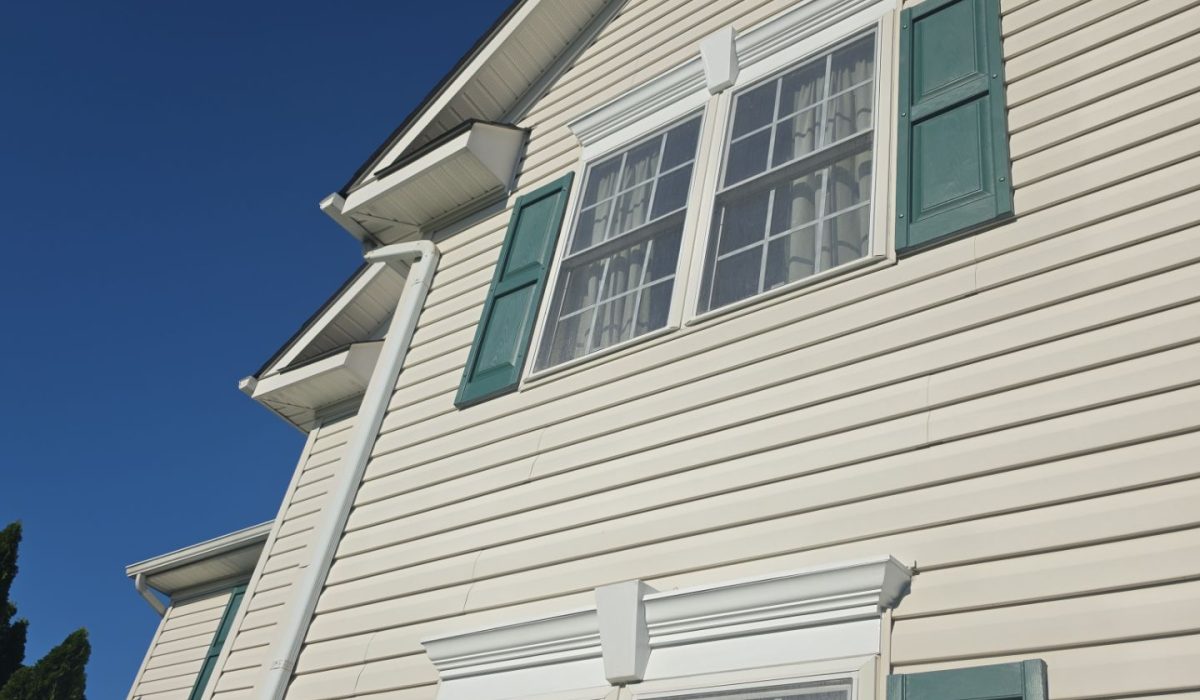
Yes. Wind damage to roof systems can occur even when every shingle appears to remain attached.
A roofing system is made up of much more than the visible surface of the shingles. Shingles are secured to the roof deck with nails and designed to seal together according to the roofing system and installation specifications.
During strong winds, pressure can affect the edges and vulnerable areas of roofing materials.
A shingle may lift and then settle back into approximately its original position after the wind decreases. From the ground, it might not look missing or even obviously damaged.
However, that movement may have affected the shingle, its seal, its fasteners, or the surrounding roofing materials.
This is one reason wind damage to roof systems can be difficult for homeowners to identify without a professional inspection.
1. Lifted Shingles Can Remain on the Roof
One of the most important forms of wind damage to roof systems involves lifted shingles.
A shingle does not necessarily have to blow completely off the house to experience wind-related stress.
Strong wind can get underneath vulnerable shingle edges and create uplift.
Depending on the roofing system and condition, the shingle may settle back down after the storm.
That creates an important problem: from the driveway, the roof may still appear complete.
A professional roofer can evaluate the roofing materials more closely for evidence of lifting, displacement, weakened seals, or other observable changes.
What homeowners may notice from the ground:
- Shingles that appear slightly raised
- Uneven sections of the roof
- Shingle edges that no longer appear uniform
- Changes around roof edges or ridges
- Pieces of roofing material around the property
Do not climb onto the roof to check these conditions yourself.
2. Wind Can Create Creases in Asphalt Shingles
Another possible sign of wind damage to roof surfaces is shingle creasing.
When wind lifts a portion of an asphalt shingle, the material can bend backward.
If enough force is applied, a crease may develop.
The shingle might then fall back into place, making the problem difficult to identify from the ground.
This type of wind damage to roof materials is important because the roofing surface may look intact even though an individual shingle has experienced physical stress.
A professional roof inspection can help determine whether shingles show visible signs of creasing, lifting, cracking, or displacement.
3. Shingle Seals Can Be Affected
Modern asphalt roofing systems rely on more than nails alone.
Shingles are designed with sealing features that help individual courses remain properly positioned and resist weather exposure.
Strong winds can place stress on those connections.
A shingle may remain attached while its seal has been affected.
This is another reason wind damage to roof systems cannot always be determined by simply counting how many shingles are missing.
The roof might look normal immediately after the storm while certain shingles deserve closer evaluation.
After the First Major Educational Section
Strong Winds Recently Hit Your Property?
Your roof does not need to have missing shingles to deserve a closer look.
Schedule your roof inspection with Insured Roofs to have observable roofing conditions professionally evaluated and documented.
CTA Button: BOOK A ROOF INSPECTION
Internal Link: /appointment-booking/
4. Roof Edges Are Particularly Important
Roof edges can experience significant wind exposure.
As wind moves across and around a house, changes in pressure can place additional forces on perimeter roofing materials.
That makes roof edges an important area to evaluate when checking for wind damage to roof systems.
Problems near the perimeter may involve:
- Lifted shingles
- Displaced roofing materials
- Loose edge components
- Damaged gutters
- Fascia concerns
- Flashing movement
Even when there are no missing shingles in the center of the roof, damage around the perimeter may still indicate that the property experienced significant wind forces.
5. Ridge Caps Can Be Damaged
The ridge is the uppermost horizontal line where roof slopes meet.
Because ridge cap shingles occupy a prominent and exposed position, they are another area professionals may evaluate for wind damage to roof systems.
Wind-related conditions can include displaced, loosened, lifted, cracked, or missing ridge-cap materials.
From ground level, small changes along the ridge can be difficult to recognize.
If your property recently experienced strong winds and you notice that part of the ridge looks uneven or different, consider scheduling a professional inspection.
6. Flashing Can Move or Become Damaged
Not every example of wind damage to roof systems involves shingles.
Flashing is installed around vulnerable transitions and penetrations to help direct water away from areas where roofing surfaces meet other components.
You may find flashing around:
- Chimneys
- Skylights
- Roof-to-wall transitions
- Valleys
- Vents
- Other roof penetrations
High winds or wind-driven debris can potentially affect these components.
Damaged or displaced flashing deserves attention because these transitions play an important role in managing water.
A professional inspection can evaluate flashing conditions alongside shingles and other roofing components.
7. Wind-Driven Debris Can Damage a Roof
Sometimes the wind itself is only part of the problem.
Strong winds can move tree limbs, branches, outdoor furniture, decorations, and other loose objects.
Those objects can strike roofing or exterior components.
This means wind damage to roof systems may also include impact-related damage from debris.
After a storm, safely inspect your yard from the ground.
Look for:
- Fallen branches
- Broken tree limbs
- Roofing debris
- Damaged gutters
- Pieces of flashing
- Displaced outdoor objects
If a large branch or tree has fallen onto the roof, stay away from the affected area and contact qualified professionals.
8. Gutters Can Provide Clues After Strong Winds
Your gutters may provide useful clues about what happened to your roofing system during severe weather.
After a storm, look from a safe location for unusual debris around gutters and downspouts.
Asphalt shingles contain surface granules, and some granule loss naturally occurs as roofing materials age. However, noticeable changes after severe weather may justify a closer inspection.
Gutters themselves can also experience storm-related movement or damage.
When evaluating potential wind damage to roof systems, professionals may look at the entire roof-and-drainage system rather than concentrating only on missing shingles.
9. Interior Signs Can Appear Later
Sometimes homeowners first discover a roofing concern inside the house.
Watch for:
- New ceiling stains
- Damp attic areas
- Unexplained moisture
- Water marks near exterior walls
- Peeling paint
- Dripping during rainfall
- Musty odors
These symptoms do not automatically prove wind damage to roof materials occurred. Water can enter a home for many reasons, and identifying the source may require professional evaluation.
However, if these symptoms appear soon after a significant windstorm, the timing is worth mentioning when scheduling your roof inspection.
Why Hidden Wind Damage Matters
One of the challenges with wind damage to roof systems is that roofing problems do not always produce an immediate leak.
A roofing material may be loosened, lifted, or displaced without allowing water into the house during the same storm.
Later rain events can reveal the weakness.
That is why waiting for water to appear on your ceiling is not always the best way to determine whether your roof needs attention.
An inspection can help document the current condition of the roof and determine whether repairs should be considered.
How Much Wind Does It Take to Damage a Roof?
There is no single wind speed that guarantees roof damage.
The effect of wind on a roof depends on many variables, including:
- Roofing material
- Roof age
- Installation quality
- Existing roof condition
- Roof shape
- Building height
- Surrounding terrain
- Previous repairs
- Direction of the wind
- Duration and intensity of the storm
- Flying debris
A newer, properly installed roofing system may respond differently to severe weather than an older roof with existing deterioration.
Instead of relying only on the reported wind speed, evaluate the actual condition of the property after significant weather.
Can a New Roof Have Wind Damage?
Yes.
A newer roof is not automatically immune to severe weather.
While modern roofing systems are designed to resist expected weather conditions when properly installed, extreme wind, debris impacts, installation issues, or other circumstances may still affect roofing components.
That is why the age of the roof is only one factor when assessing possible wind damage to roof systems.
Should You Inspect Your Own Roof After a Windstorm?
You can perform a basic visual check—but stay on the ground.
Do not climb onto your roof after a storm.
Instead, safely walk around your property and look for obvious changes.
Check for:
- Missing shingles
- Shingles or roofing debris in the yard
- Uneven roof sections
- Damaged gutters
- Fallen branches
- Damaged siding
- Loose exterior components
- Changes around the roof edge
- Interior ceiling stains
If you see something concerning—or simply cannot determine the roof’s condition safely—schedule a professional inspection.
Insured Roofs’ existing storm-damage guidance similarly recommends professional evaluation because storm-related roofing concerns may not always be immediately visible.
Your Roof Can Look Fine and Still Need Attention
If strong winds recently moved through your neighborhood, do not rely only on missing shingles to determine whether your roof was affected.
Insured Roofs can inspect your roofing and exterior system, document observable conditions, and explain construction-related repair options.
CTA Button: SCHEDULE YOUR ROOF INSPECTION
Internal Link: /appointment-booking/
What Happens During a Professional Wind Damage Roof Inspection?
A professional wind damage to roof inspection looks beyond whether shingles are simply present or missing.
Depending on the property and roofing system, an inspection may include evaluation of:
Shingles
Inspectors can look for observable lifting, creasing, cracking, displacement, missing materials, or other changes.
Roof Edges
Perimeter areas can be evaluated for displaced roofing materials or storm-related concerns.
Ridge Caps
Ridge materials can be checked for movement, damage, or missing sections.
Flashing
Flashing around roof transitions and penetrations can be evaluated for visible displacement or deterioration.
Vents and Penetrations
Roof vents, pipe boots, and other penetrations may also deserve attention after significant weather.
Gutters and Exterior Components
Because your roof works as part of a larger exterior system, gutters, siding, fascia, and related areas may provide additional information about storm exposure.
Documentation
Photographs and inspection documentation can provide homeowners with a clearer record of observable roof conditions.
Insured Roofs currently provides roof and exterior inspections, photo documentation, identification of observable storm-related damage indicators, and construction-related repair or replacement recommendations.
Does Wind Damage Mean You Need a New Roof?
No.
Discovering wind damage to roof materials does not automatically mean the entire roof needs replacement.
The appropriate solution depends on factors such as:
- Type of damage
- Extent of affected areas
- Roofing material
- Roof age
- Existing condition
- Previous repairs
- Installation characteristics
- Overall condition of the roofing system
Some situations may be appropriate for targeted roof repair, while more widespread problems may require a different solution.
A professional inspection provides the information needed to make that determination.
What About Homeowners Insurance?
Storm-related roof damage may sometimes be covered under a homeowner’s insurance policy, but coverage varies by policy and circumstances.
Your insurance carrier determines coverage, claim approval, and policy interpretation. Insured Roofs is not a public adjuster.
Insured Roofs can inspect and document observable storm-related conditions and provide construction-related repair or replacement estimates that property owners may choose to share with their insurance carrier.
Frequently Asked Questions About Wind Damage to Roof Systems
Can wind damage a roof if no shingles are missing?
Yes. Wind damage to roof materials can involve lifted, loosened, creased, displaced, or otherwise affected shingles even when they have not completely detached from the roof.
How can I tell if wind damaged my shingles?
From the ground, look for unusual shingle positions, uneven areas, roofing debris, damaged roof edges, gutter damage, or other changes after a storm. Because some wind damage to roof systems can be difficult to see safely from ground level, professional evaluation may be necessary.
Can shingles lift and then settle back down?
Shingles can experience uplift during strong wind and may appear to settle afterward. A professional roofer can evaluate whether observable signs of movement or damage are present.
Should I get my roof inspected after high winds?
If your property experienced significant winds, flying debris, falling branches, or other severe weather, a professional inspection can help identify and document possible wind damage to roof components.
Does wind damage always cause a roof leak?
No. Wind damage to roof materials may exist without an immediate interior leak. Some roofing weaknesses may become more noticeable during later rain events.
Can flashing be damaged by wind?
Strong winds and wind-driven debris can affect flashing and other exterior roofing components. Flashing should be included when evaluating a roof after severe weather.
Should I climb onto my roof to check for wind damage?
No. Stay on the ground. A storm-affected roof may contain loose, lifted, wet, or otherwise unsafe areas. Leave close-up roof evaluation to trained professionals.
Does wind damage automatically mean my roof needs replacement?
No. Whether repair or replacement is appropriate depends on the extent of damage, roofing material, roof age, previous repairs, and overall condition.
Will insurance cover wind damage to my roof?
Coverage depends on your specific policy and the insurance carrier’s determination. Your insurance carrier determines whether roof damage is covered. Insured Roofs is not a public adjuster.
Don’t Wait for a Missing Shingle to Check Your Roof
Missing shingles are one of the easiest signs of storm damage to recognize but they are not the only sign.
Wind damage to roof systems can involve lifted shingles, weakened seals, creasing, damaged flashing, affected ridge caps, roof-edge problems, gutter damage, and impact from wind-driven debris.
Some of those conditions can be difficult or impossible to identify accurately from your driveway.
If your home in Arlington, Falls Church, Alexandria, Fairfax, Stafford, Fredericksburg, or another Northern Virginia community recently experienced strong winds, consider having the roofing system professionally evaluated.
Insured Roofs can inspect and document observable roofing and exterior conditions and explain construction-related options based on what is found.
Schedule Your Roof Inspection
Don’t wait for a ceiling stain or a missing shingle to tell you something may have changed.