What Is a Chimney Cricket and Why Do Some Roofs Need One?
A chimney cricket is one of the most overlooked roofing components, yet it can play an important role in protecting your home from water damage. Many homeowners focus on shingles, gutters, and flashing when thinking about roof maintenance, but the area behind a chimney can be just as important.
When rainwater flows down a sloped roof, a wide chimney can interrupt its natural drainage path. Without proper water management, moisture, leaves, and debris may accumulate behind the chimney, increasing the risk of roof leaks and premature deterioration.
This is where a chimney cricket becomes valuable.
For homeowners in Arlington, Alexandria, Falls Church, Fairfax, and other parts of Northern Virginia, understanding how chimney crickets work can help prevent costly roofing problems.
In this guide, Insured Roofs explains what a chimney cricket is, how it works, when it may be required, and why professional roof inspections are essential for identifying drainage problems around chimneys.
What Is a Chimney Cricket?
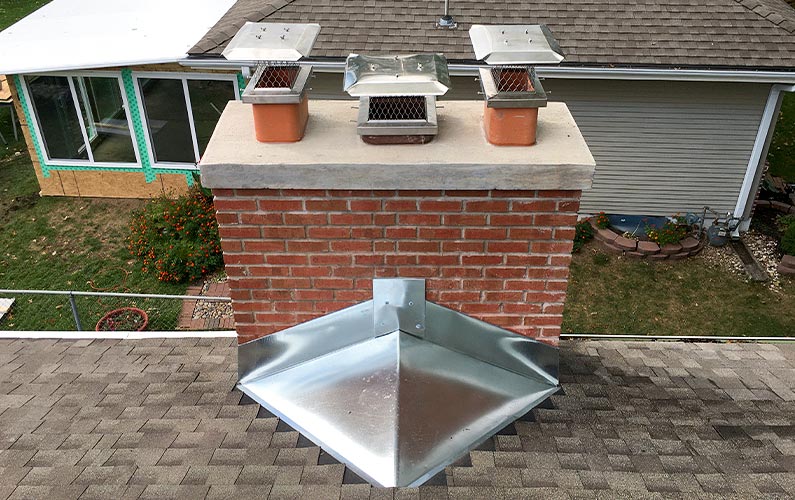
A chimney cricket, sometimes called a roof cricket or chimney saddle, is a small, peaked roofing structure installed on the uphill side of a chimney.
Its primary purpose is to redirect rainwater, melting snow, and debris around the chimney rather than allowing them to accumulate directly behind it.
A properly designed chimney cricket creates two sloping surfaces that guide water toward the sides of the chimney, where it can continue flowing down the roof.
Think of it as a miniature roof built behind your chimney.
Instead of water running into a flat obstruction, the cricket divides the flow and directs it around the chimney.
A chimney cricket generally includes:
- Framing: Creates the raised, sloped structure behind the chimney.
- Roof decking: Provides a solid surface for roofing materials.
- Underlayment: Adds a secondary layer of moisture protection.
- Roof covering: Usually matches the surrounding roofing system.
- Chimney cricket flashing: Seals critical intersections between the cricket, chimney, and roof.
These components work together to improve drainage and reduce the likelihood of water entering vulnerable roofing areas.
Why Do Some Roofs Need a Chimney Cricket?
Not every chimney requires a cricket. The need depends on several factors, including chimney width, roof slope, local building codes, and how water moves across the roof.
However, wider chimneys located across a roof’s drainage path are particularly vulnerable to water accumulation.
1. Prevents Water From Pooling Behind the Chimney
One of the biggest reasons homeowners install a chimney cricket is to prevent water from collecting behind the chimney.
Without a cricket, rainwater flowing down the roof may encounter the chimney and slow down.
This can create an area where moisture accumulates, especially when leaves or other debris restrict drainage.
Over time, prolonged moisture exposure can contribute to roofing deterioration and leaks.
A properly installed chimney cricket redirects water away from this vulnerable area.
2. Helps Reduce Chimney Roof Leaks
A chimney roof leak can develop when water penetrates damaged flashing, deteriorated sealants, or poorly constructed roofing transitions.
Because chimneys interrupt the roof surface, they require carefully installed flashing systems.
When water repeatedly accumulates behind a chimney, these areas experience additional exposure.
A chimney cricket helps reduce that exposure by directing water around the obstruction.
However, a cricket does not replace proper chimney flashing. Both systems must work together to provide effective water protection.
3. Reduces Debris Accumulation
Leaves, twigs, pine needles, and other debris can collect behind chimneys.
This is especially common on homes surrounded by mature trees.
When debris accumulates, it can trap moisture and interfere with proper drainage.
A roof cricket helps guide water and some debris around the chimney, although periodic maintenance may still be necessary.
4. Helps Manage Snow and Ice
During winter, snow may accumulate on the uphill side of a chimney.
As temperatures fluctuate, melting snow can create additional moisture exposure around roofing joints.
A properly designed chimney cricket can help direct snowmelt away from the chimney.
However, it does not eliminate every ice-related roofing risk. Insulation, attic ventilation, roof geometry, and weather conditions also influence ice formation.
5. Protects Vulnerable Roofing Materials
Water that remains in one area for extended periods can contribute to deterioration of roofing materials.
Potential problems include:
- Premature shingle wear
- Deteriorated flashing
- Moisture-damaged roof decking
- Damaged underlayment
- Water intrusion into the attic
- Interior ceiling stains
By improving drainage, a chimney cricket helps protect the roofing components surrounding the chimney.
When Is a Chimney Cricket Required?
According to the International Residential Code (IRC), Section R1003.20, chimneys generally require a cricket when their width parallel to the roof ridgeline exceeds 30 inches and they do not intersect the ridgeline. Local code adoption and amendments may affect the requirements, so homeowners should consult a qualified roofing contractor before installation.
Whether a chimney cricket is required depends on the applicable building code and the chimney’s dimensions.
Under commonly adopted International Residential Code provisions, a cricket or saddle is generally required on the ridge side of a chimney that is more than 30 inches wide, measured perpendicular to the roof slope, subject to applicable exceptions.
The exact requirements can vary depending on the locally adopted code edition, chimney design, and jurisdiction.
For homeowners in Northern Virginia, a qualified roofing contractor should evaluate the chimney’s dimensions and applicable local requirements before recommending installation.
Even when a chimney cricket is not strictly required, installing one may be beneficial if the existing roof design creates persistent drainage problems.
How Does a Chimney Cricket Work?
A chimney cricket works by changing the direction of water flowing down the roof.
Without a cricket, rainwater travels down the roof slope until it reaches the uphill side of the chimney.
The chimney interrupts the water’s path, creating an area where moisture and debris may accumulate.
With a cricket installed, the raised structure divides the incoming water into two drainage paths.
Water flows down the sloped sides of the cricket and continues around the chimney.
This reduces direct water accumulation against the chimney’s uphill wall.
For the system to function correctly, the cricket must have appropriate slopes, compatible roofing materials, and properly integrated flashing.
Poor construction or incorrect flashing can still allow leaks, even when a cricket is present.
What Is the Difference Between Chimney Flashing and a Chimney Cricket?
Although chimney flashing and chimney crickets work together, they perform different functions.
Chimney flashing is the waterproofing system installed where the chimney meets the roof. It typically includes metal components designed to direct water away from the joint.
A chimney cricket is a raised structure that redirects water around the uphill side of the chimney.
The main difference is their purpose:
- Chimney flashing: Protects the roof-to-chimney connection against water intrusion.
- Chimney cricket: Changes the water’s drainage path to reduce accumulation behind the chimney.
A properly functioning chimney cricket still requires correctly installed flashing.
If flashing becomes loose, corroded, damaged, or improperly sealed, water can enter the roof system regardless of the cricket’s design.
This is why professional inspections should evaluate both components together.
Signs Your Chimney May Need a Cricket
Homeowners may not immediately recognize drainage problems behind a chimney.
However, several warning signs can indicate that the area needs professional attention.
Water Stains Near the Chimney
Discoloration on ceilings or walls near the chimney may indicate moisture intrusion.
Water can travel along framing and other building materials before becoming visible indoors, so the stain may not identify the exact leak source.
Repeated Roof Leaks During Heavy Rain
If leaks consistently appear during heavy rainfall, a roofing contractor should inspect the chimney flashing, surrounding shingles, and drainage conditions.
A missing or poorly designed chimney cricket may be one contributing factor.
Debris Collecting Behind the Chimney
Frequent accumulation of leaves or other debris may indicate that the roof geometry is trapping material behind the chimney.
Homeowners should not climb onto the roof to investigate. A qualified professional can evaluate the area safely.
Damaged or Deteriorating Flashing
Loose, rusted, separated, or damaged flashing can allow water to enter the roofing system.
A professional inspection can determine whether the flashing needs repair and whether the chimney’s drainage design should be improved.
Moisture Damage in the Attic
Damp insulation, water stains on roof decking, or musty odors may indicate a roofing moisture problem.
These symptoms can have multiple causes, making a thorough inspection important.
How Is a Chimney Cricket Installed?
Proper chimney cricket installation requires careful planning and roofing expertise.
Although installation methods vary by roofing system, the general process includes several steps.
Step 1: Evaluate the Existing Roof
A roofing contractor examines the chimney’s width, roof slope, surrounding roofing materials, and drainage patterns.
The contractor also determines whether the chimney cricket is required under applicable local building codes.
Step 2: Design the Cricket Structure
The cricket is designed to redirect water effectively around the chimney.
Its dimensions and slope depend on the roof geometry and chimney size.
Step 3: Build the Framing
A sloped framing structure is constructed behind the chimney.
This creates the peaked surface that redirects water toward both sides.
Step 4: Install Decking and Underlayment
Roof decking is installed over the framing.
Compatible underlayment and water-protection materials are then applied according to the roofing system’s requirements.
Step 5: Install Chimney Cricket Flashing
Flashing is installed and integrated with the cricket, chimney, and surrounding roof.
This is one of the most important steps because poorly integrated flashing can create new leak paths.
Step 6: Install Matching Roofing Materials
The cricket is covered with roofing materials compatible with the existing roof.
The finished structure should integrate with the surrounding roof while allowing water to drain properly.
Step 7: Inspect the Completed Installation
The contractor evaluates the flashing connections, roofing transitions, and drainage paths to confirm that the installation meets the intended design.
Professional installation is strongly recommended because mistakes around chimney intersections can lead to expensive moisture damage.
Can a Chimney Cricket Be Added to an Existing Roof?
Yes. In many situations, a chimney cricket can be installed on an existing roof without replacing the entire roofing system.
However, the feasibility depends on several factors:
- Condition of the existing shingles
- Age of the roofing system
- Chimney dimensions
- Roof slope
- Existing flashing condition
- Roof decking condition
- Compatibility of replacement materials
In some cases, the contractor may need to remove a portion of the surrounding roofing materials to construct the cricket and integrate new flashing.
If the roof is already nearing the end of its service life, installing the cricket during a planned roof replacement may be more practical.
A professional inspection can help determine the appropriate approach.
How Much Does Chimney Cricket Installation Cost?
The cost of installing a chimney cricket varies depending on the complexity of the project.
Important pricing factors include:
Chimney width: Wider chimneys may require larger structures and additional materials.
Roof pitch: Steeper roofs can increase installation complexity and labor requirements.
Roofing material: Asphalt shingles, metal roofing, slate, and other systems require different installation methods.
Flashing requirements: Existing flashing may need replacement or modification.
Roof condition: Damaged decking or surrounding roofing materials may require additional repairs.
Accessibility: Roof height, layout, and access conditions can influence labor costs.
Because each roofing system is different, homeowners should request a project-specific inspection and written estimate rather than relying on a general price.
Why Chimney Crickets Matter for Northern Virginia Homes
Homes throughout Northern Virginia experience a range of weather conditions, including heavy rainfall, seasonal storms, occasional snow, and fluctuating temperatures.
These conditions make proper roof drainage particularly important.
In Arlington, Falls Church, Alexandria, Fairfax, Stafford, and Fredericksburg, homes with masonry chimneys may have roofing configurations where water management behind the chimney deserves special attention.
Older homes may also have flashing systems that have deteriorated over time or roofing transitions that were not constructed according to current best practices.
During a professional roof inspection, contractors can evaluate:
- Chimney cricket condition
- Chimney flashing
- Roof drainage patterns
- Surrounding shingles
- Roof valleys
- Visible moisture damage
- Debris accumulation
- Other vulnerable roofing transitions
Identifying drainage concerns early may help homeowners address smaller roofing issues before they become more extensive.
Can a Missing Chimney Cricket Cause Roof Damage?
A missing chimney cricket does not automatically mean a roof will leak.
Some chimneys are narrow enough or positioned in ways that allow water to drain effectively without a cricket.
However, when a wide chimney interrupts the roof’s drainage path, the absence of a cricket may increase moisture exposure behind the chimney.
Over time, this can contribute to deterioration around flashing, roofing materials, and underlying roof components.
The key is determining whether the roof’s existing design manages water effectively.
A roofing professional can evaluate the chimney and recommend repairs or improvements based on actual conditions.
How Often Should Chimney Flashing and Crickets Be Inspected?
Homeowners should consider having chimney flashing and other vulnerable roof areas evaluated during routine roof maintenance.
An annual professional roof inspection is a reasonable maintenance practice for many homes, although inspection frequency depends on roof age, condition, and exposure.
Additional inspections may be appropriate after severe wind, hail, or heavy storms.
A roofing contractor can look for deteriorated flashing, damaged shingles, debris buildup, and drainage concerns around the chimney.
Homeowners can also watch for interior ceiling stains, dampness, or other signs of possible leaks.
Never climb onto a roof to inspect a chimney cricket yourself. Roof inspections involving elevated areas should be performed by trained professionals with appropriate safety equipment.
Frequently Asked Questions About Chimney Crickets
1. What is the purpose of a chimney cricket?
A chimney cricket redirects rainwater and melting snow around the uphill side of a chimney. It helps reduce water accumulation and supports proper roof drainage.
2. Does every chimney need a cricket?
No. Whether a chimney needs a cricket depends on its width, roof slope, drainage conditions, and applicable building codes. Wider chimneys are more likely to require one.
3. Is a chimney cricket required by building code?
Commonly adopted residential building code provisions generally require a cricket for certain chimneys wider than 30 inches, measured perpendicular to the roof slope, subject to exceptions. Local requirements should always be verified.
4. Can a chimney cricket prevent roof leaks?
A properly installed chimney cricket can reduce water accumulation behind a chimney and help lower leak risk. However, correct flashing installation and regular maintenance are also necessary.
5. What is another name for a chimney cricket?
A chimney cricket is also commonly called a roof cricket or chimney saddle.
6. Can a chimney cricket be installed without replacing the roof?
Yes. In many cases, a cricket can be added to an existing roof by removing and replacing the necessary roofing materials around the chimney.
7. What happens if a chimney cricket is installed incorrectly?
Poor installation can create drainage problems, flashing failures, or new pathways for water intrusion. Proper design and professional installation are essential.
8. How long does a chimney cricket last?
Its service life depends on the roofing materials, flashing quality, installation, weather exposure, and maintenance. It should be evaluated as part of the overall roofing system.
9. Can chimney flashing be repaired without installing a cricket?
Yes, depending on the roof design and cause of the leak. A contractor can determine whether flashing repair alone is sufficient or whether a cricket would improve drainage.
10. Who should inspect a chimney cricket in Arlington, VA?
A qualified local roofing contractor can inspect the chimney, flashing, roof drainage, and surrounding materials. Insured Roofs provides roofing inspections for homeowners in Arlington and surrounding Northern Virginia communities.
Protect Your Roof With a Professional Chimney and Roof Inspection
A chimney cricket may be a small roofing feature, but it can make an important difference in how water moves around your chimney.
When properly designed and installed, it helps redirect rainwater, reduce debris accumulation, and protect vulnerable roofing transitions.
If you have noticed water stains, deteriorating flashing, or recurring leaks near your chimney, it may be time to have your roof professionally evaluated.
At Insured Roofs, our licensed and insured roofing team helps homeowners identify roofing concerns, document visible conditions, and understand appropriate repair options.
We serve homeowners throughout Arlington, Falls Church, Alexandria, Fairfax, Stafford, Fredericksburg, and surrounding Northern Virginia communities.
Schedule Your Roof Inspection Today
Don’t wait for a small chimney flashing problem to develop into more extensive roof damage.
Contact Insured Roofs to schedule a professional roof inspection and learn whether your chimney’s drainage system needs attention.
Call: (703) 828-7462
Website: https://insuredroofs.com/
Insured Roofs — Helping Northern Virginia homeowners protect their roofs with professional inspections and roofing solutions.