Is Your Skylight Sweating or Leaking? How to Tell the Difference
Skylights are an excellent way to bring natural light into your home, brighten interior spaces, and improve the overall appearance of a room. However, when water droplets, damp spots, or ceiling stains begin appearing around your skylight, it can be difficult to identify the source.
Is it simply condensation caused by indoor humidity, or is water entering through a damaged roof?
Understanding skylight condensation vs roof leak symptoms is important because these two moisture problems can appear similar but require different solutions.
Condensation typically occurs when warm, humid indoor air comes into contact with a colder surface. A roof leak occurs when outside water enters through damaged roofing materials, flashing, or other vulnerable areas.
For homeowners in Arlington, Falls Church, Alexandria, Fairfax, and surrounding Northern Virginia communities, changing temperatures, seasonal humidity, and heavy rainfall can make identifying skylight moisture problems especially challenging.
In this guide, Insured Roofs explains the differences between skylight condensation and roof leaks, seven important warning signs, common causes, prevention methods, and when to schedule a professional roof inspection.
1. What Causes Skylight Condensation?
Skylight condensation develops when water vapor in the air changes into liquid droplets after contacting a sufficiently cold surface.
During winter, warm indoor air naturally rises toward the ceiling. When that air reaches colder skylight glass, moisture may accumulate on the interior surface.
This is similar to the condensation that appears on windows during cold mornings.
When comparing skylight condensation vs roof leak problems, indoor humidity is one of the most important factors to consider.
Common causes of condensation include:
High Indoor Humidity
Activities such as cooking, showering, washing clothes, and using humidifiers can increase the amount of moisture in indoor air.
When this humid air comes into contact with cold skylight glass, condensation may form.
Poor Interior Ventilation
Insufficient ventilation can allow excess moisture to accumulate inside the home.
Bathrooms, kitchens, and rooms with limited airflow may experience higher humidity levels that contribute to condensation.
Cold Skylight Glass
Skylights are directly exposed to outdoor temperatures.
During colder weather, interior glass surfaces may become cold enough for condensation to develop, particularly when indoor humidity is elevated.
Inadequate Insulation Around the Skylight
Poor insulation around skylight shafts and surrounding ceiling areas can create cold surfaces where moisture collects.
Air leakage through gaps around the skylight shaft may also contribute to condensation within concealed building cavities.
Temperature Differences
Large differences between indoor and outdoor temperatures increase the likelihood that certain surfaces will reach the dew point.
Important: Occasional condensation does not necessarily mean your skylight is damaged. However, excessive or recurring moisture can eventually affect surrounding materials.
According to the U.S. Environmental Protection Agency (EPA), controlling indoor moisture through appropriate ventilation, insulation, and humidity management can help reduce condensation problems.
2. What Causes a Roof Leak Around a Skylight?
Unlike condensation, a roof leak involves water entering from outside the home.
A skylight creates an opening in the roofing system, which must be properly protected with flashing, seals, and waterproofing components.
When these components deteriorate or become damaged, rainwater may enter the surrounding roof assembly.
Understanding skylight condensation vs roof leak causes helps homeowners avoid confusing ordinary indoor moisture with exterior water intrusion.
Several roofing conditions can contribute to skylight leaks.
Damaged or Improperly Installed Skylight Flashing
Flashing is installed around skylights to help direct rainwater away from vulnerable joints and openings.
When flashing becomes displaced, corroded, damaged, or improperly integrated with nearby roofing materials, water may enter the roof system.
A skylight flashing leak may become noticeable during heavy rainfall or wind-driven storms.
Deteriorated Skylight Seals
Over time, skylight gaskets and seals can deteriorate because of aging, sunlight exposure, and temperature changes.
Depending on which component has failed, the result may be air leakage, condensation, moisture between glass panes, or exterior water intrusion.
Damaged Roofing Materials
Missing shingles, deteriorated underlayment, cracked roofing components, or damaged roof decking can allow water to enter above the skylight.
The water may travel along the roof structure before becoming visible near the skylight opening.
This means the apparent leak location may not be the actual point where water entered.
Improper Skylight Installation
An incorrectly installed skylight may have inadequate flashing integration, improper waterproofing details, or gaps around the frame.
Some installation problems may remain unnoticed until severe weather exposes the vulnerable areas.
Aging Roofing Components
Roofing materials and skylight assemblies gradually deteriorate with exposure to weather and normal aging.
Regular roof inspections can help identify visible deterioration before it develops into a more significant moisture problem.
3. Skylight Condensation vs Roof Leak: 7 Warning Signs
Identifying the source of skylight moisture requires observing where water appears, when it develops, and whether it is related to rainfall or indoor conditions.
Here are seven warning signs homeowners should recognize.
Sign 1: Water Droplets Form on the Interior Glass
One of the clearest signs of condensation is moisture appearing directly on the room-facing surface of skylight glass.
Droplets may become more noticeable during cold mornings or when indoor humidity is elevated.
If the moisture disappears as temperatures rise or indoor humidity decreases, condensation may be responsible.
However, moisture trapped between sealed glass panes could indicate an insulated glass unit failure.
Sign 2: Water Appears During or After Rain
A roof leak becomes more likely when dripping or ceiling staining repeatedly occurs during rainfall.
Water may enter through damaged flashing, roofing materials, or vulnerable skylight joints.
If the moisture becomes worse during heavy rain or wind-driven storms, a professional roofing inspection is recommended.
Rain-related timing is a useful clue, but it does not identify the exact leak source.
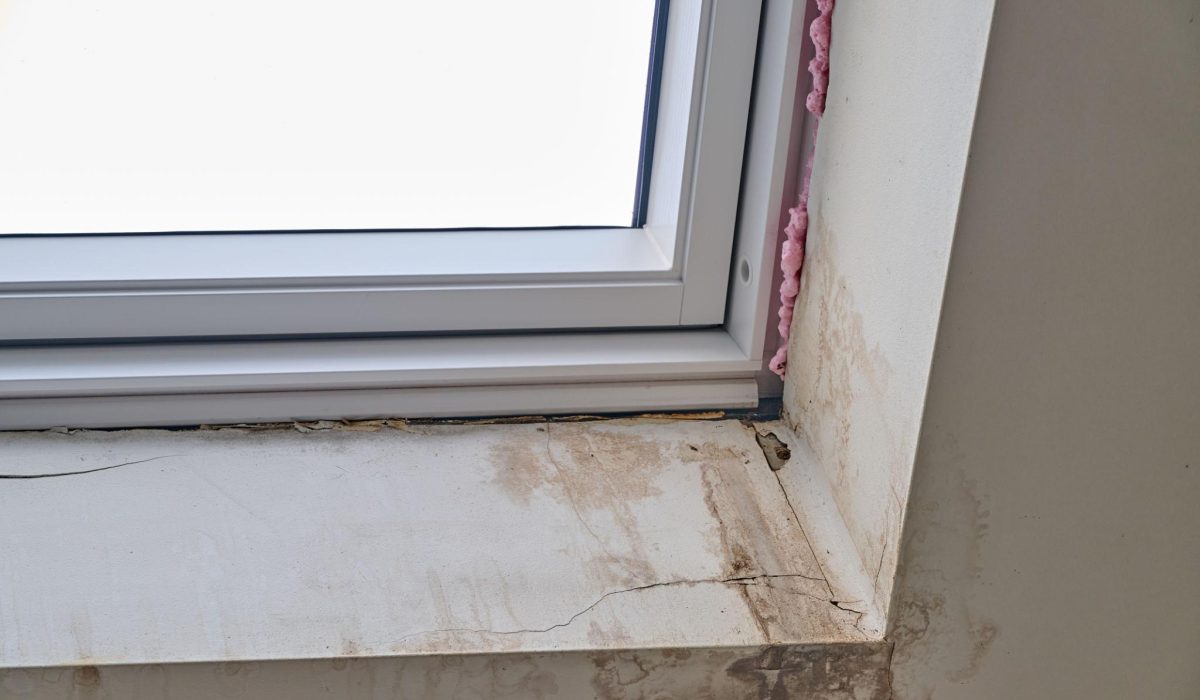
Sign 3: Brown or Yellow Ceiling Stains Develop
Discoloration around the skylight shaft or nearby drywall can indicate repeated moisture exposure.
These stains may result from condensation, roof leakage, or moisture trapped inside the surrounding assembly.
When examining skylight condensation vs roof leak warning signs, expanding ceiling stains should receive particular attention.
If discoloration continues spreading after rain, exterior water intrusion may be involved.
Sign 4: Moisture Appears During Cold Weather
Condensation commonly becomes more noticeable during colder months because indoor air contains moisture while glass surfaces remain relatively cold.
If droplets regularly develop during chilly mornings without corresponding rainfall, condensation is a possible explanation.
However, homeowners should not assume every winter moisture problem is harmless.
Sign 5: Paint Peels or Drywall Becomes Soft
Peeling paint, bubbling ceiling finishes, or soft drywall indicates moisture exposure.
Both condensation and roof leaks can cause these conditions.
Repeated wetting may damage ceiling materials and create conditions favorable to mold growth.
Because the symptoms overlap, the moisture source should be identified before making repairs.
Sign 6: Dripping Happens Even When It Is Not Raining
If your skylight drips during dry weather, condensation may be responsible.
Warm indoor air can cause water droplets to collect and eventually run down the glass or frame.
However, water trapped from an earlier rain event can sometimes continue moving through building materials.
This makes it important to document when dripping begins and how long it continues.
Sign 7: Moisture Collects Around Skylight Corners
Water appearing around the corners of a skylight can have several possible causes.
Damaged flashing, deteriorated seals, condensation runoff, and air leakage can all contribute to moisture near the frame.
A roofing professional can examine the skylight and surrounding materials to determine whether the issue involves the roof or the skylight assembly.
4. Skylight Condensation vs Roof Leak: Key Differences
The following comparison can help homeowners recognize common patterns.
| Warning Sign | Skylight Condensation | Roof Leak |
|---|---|---|
| Moisture on interior glass | Common | Possible |
| Water appearing during rainfall | Less typical | Common |
| Moisture during cold mornings | Common | Possible |
| High indoor humidity | Often contributes | Not a direct cause |
| Ceiling water stains | Possible | Possible |
| Damaged exterior flashing | Usually unrelated | Possible cause |
| Water during dry weather | Possible | Possible |
| Damaged surrounding shingles | Usually unrelated | Possible cause |
Remember: These indicators cannot confirm the cause by themselves. Condensation and roof leakage can also occur simultaneously.
A professional inspection may be necessary when the moisture source remains uncertain.
5. How Can Homeowners Safely Check for Skylight Moisture Problems?
Homeowners can perform several simple observations without climbing onto the roof.
Step 1: Observe When Moisture Appears
Pay attention to whether water develops during heavy rain, cold mornings, or periods of elevated indoor humidity.
These patterns can help determine whether the problem is associated with exterior water intrusion or interior condensation.
Step 2: Examine the Interior Glass
Look for fogging, water droplets, and moisture collecting along the frame.
If droplets appear directly on the interior glass, condensation may be contributing to the problem.
Step 3: Check Indoor Humidity
A hygrometer can help monitor indoor relative humidity.
High humidity increases the possibility of condensation developing on colder skylight surfaces.
Use exhaust fans and appropriate ventilation to manage excess moisture.
Step 4: Inspect Interior Ceiling Surfaces
Look for visible signs of water damage, including:
- Brown or yellow ceiling stains
- Peeling paint
- Bubbling drywall
- Damp interior trim
- Musty odors
- Visible moisture around skylight corners
These conditions may indicate ongoing moisture exposure.
Step 5: Document Moisture Changes
Take photographs of visible stains, droplets, or damaged areas.
Record the date, weather conditions, and location of the moisture.
This information may help a roofing professional evaluate possible causes.
Step 6: Schedule a Roof Inspection
If moisture continues returning or the source remains unclear, schedule a professional inspection.
Safety reminder: Never climb onto your roof to investigate a skylight leak. Roofing surfaces can be slippery and dangerous, especially after heavy rainfall.
If water is near electrical fixtures, avoid the area and contact an appropriate professional.
6. Can Skylight Condensation Cause Water Damage?
Yes. Even when water comes from condensation rather than an exterior roof leak, excessive moisture can damage surrounding materials.
Repeated condensation may contribute to:
- Drywall deterioration
- Peeling paint
- Damaged window or skylight trim
- Moisture accumulation in skylight shafts
- Mold growth on persistently damp materials
- Insulation deterioration
- Interior ceiling discoloration
When evaluating skylight condensation vs roof leak conditions, homeowners should understand that either problem can lead to costly damage when left unresolved.
The EPA’s moisture control guidance explains the importance of reducing excess humidity, improving ventilation, preventing condensation, and promptly correcting water problems.
Homeowners should address persistent condensation before repeated moisture exposure causes additional deterioration.
7. Why Skylight Leaks May Become More Noticeable After Storms
Northern Virginia experiences changing seasonal weather, including heavy rainfall, wind, and occasional winter precipitation.
These conditions can expose weaknesses in skylight flashing and surrounding roofing materials.
For example, wind-driven rain may reach vulnerable roof joints that remain dry during lighter rainfall.
Damaged shingles or deteriorated waterproofing components may also allow water to enter beneath the roofing system.
Homeowners in Arlington, Falls Church, Alexandria, and Fairfax should pay attention to recurring ceiling stains or dripping after storms.
However, a water stain near a skylight does not automatically mean the skylight itself is defective.
Rainwater may enter through another roofing component and travel along the roof structure before becoming visible indoors.
A qualified roofing contractor can help identify the likely source and recommend appropriate corrective action.
8. How Professionals Inspect Skylight Leaks
When homeowners cannot determine whether they are dealing with skylight condensation or roof leakage, a professional roofing inspection can provide a more thorough assessment.
At Insured Roofs, our roofing inspections focus on evaluating visible roof conditions and identifying areas that may require maintenance or repair.
A skylight-related roofing assessment may involve several steps.
Exterior Roofing Assessment
A roofing professional examines nearby shingles and other visible roofing components for signs of wear, displacement, damage, or improper installation.
Skylight Flashing Evaluation
The flashing system is evaluated for visible deterioration, gaps, displacement, and installation concerns that could allow water intrusion.
Skylight Frame Inspection
The skylight frame, surrounding joints, and accessible seals may be examined for deterioration or visible moisture problems.
Interior Moisture Evaluation
Water stains, skylight shafts, surrounding ceiling finishes, and accessible attic areas may be examined for signs of repeated moisture exposure.
Diagnostic equipment may be used when appropriate.
Photo Documentation
Photographs of visible roofing conditions help homeowners better understand potential problems and recommended next steps.
When assessing skylight condensation vs roof leak symptoms, identifying the actual moisture source is essential before deciding whether repair or replacement is necessary.
9. Should You Repair or Replace a Leaking Skylight?
Not every skylight moisture problem requires complete replacement.
The appropriate solution depends on the skylight’s condition, age, installation, and the cause of the moisture.
When Skylight Repair May Be Appropriate
Repairs may be suitable when:
- The skylight remains structurally sound.
- The surrounding flashing can be properly repaired.
- Nearby shingles require localized repairs.
- A repairable skylight component has deteriorated.
- The existing assembly can be restored according to manufacturer requirements.
When Skylight Replacement May Be Necessary
Replacement may be recommended when:
- The skylight frame has extensive deterioration.
- The insulated glass assembly has failed.
- Repeated leakage continues despite appropriate repairs.
- The skylight has reached the end of its useful service life.
- Significant installation defects prevent reliable waterproofing.
If the problem involves condensation instead of roof leakage, improving ventilation, controlling humidity, or correcting insulation and air-sealing issues may be more appropriate than replacing the skylight.
A professional assessment helps homeowners avoid unnecessary roofing work.
10. How to Prevent Future Skylight Moisture Problems
Preventive maintenance is one of the most effective ways to reduce the likelihood of recurring skylight moisture issues.
Control Indoor Humidity
Use appropriate bathroom and kitchen exhaust ventilation to help remove excess moisture.
Monitor humidity levels during colder weather, when condensation may become more noticeable.
Improve Ventilation
Proper interior ventilation can help prevent humid air from accumulating around skylight openings.
Maintain Insulation and Air Sealing
Appropriate insulation and air sealing around skylight shafts can reduce cold surfaces and uncontrolled air movement.
Schedule Regular Roof Inspections
Periodic inspections help identify visible deterioration in roofing materials, flashing, and other roof components.
Watch for Ceiling Stains
Do not ignore recurring discoloration, peeling paint, or damp areas around skylights.
Avoid Unverified DIY Repairs
Applying sealants without locating the source of water intrusion may conceal the problem without correcting it.
Professional evaluation is recommended when roofing components may be involved.
Understanding skylight condensation vs roof leak prevention helps homeowners protect their roofs, ceilings, and interior living spaces.
11. Why Arlington Homeowners Should Take Skylight Moisture Seriously
Homes throughout Arlington and surrounding Northern Virginia communities can experience a combination of seasonal humidity, winter temperature changes, and heavy rainfall.
These conditions can contribute to condensation and expose weaknesses in aging roofing systems.
In neighborhoods throughout Arlington, Falls Church, Alexandria, Fairfax, Stafford, and Fredericksburg, homeowners should monitor skylight moisture before it develops into extensive water damage.
Although occasional condensation may be manageable through humidity control, recurring leaks or unexplained water stains deserve professional attention.
A damaged skylight flashing system, deteriorated roofing materials, or moisture trapped around the skylight opening can gradually affect nearby building components.
Identifying the problem early may reduce the need for more extensive repairs.
Frequently Asked Questions About Skylight Condensation vs Roof Leaks
1. How do I know if my skylight is leaking or just sweating?
Condensation commonly appears as droplets on the interior glass during cold or humid conditions. A roof leak becomes more likely when dripping repeatedly occurs during rainfall. However, the symptoms can overlap, so professional inspection may be necessary.
2. Can skylight condensation look like a roof leak?
Yes. Excessive condensation can collect on skylight glass, run down the frame, and drip onto surrounding drywall. The resulting water stains may resemble those caused by exterior water intrusion.
3. Why does my skylight drip water when it is not raining?
Possible causes include indoor condensation, trapped moisture, or delayed drainage from a previous leak. Observing the weather conditions and where moisture appears can help narrow down the cause.
4. Is condensation inside a skylight normal?
Occasional surface condensation can occur when humid indoor air contacts cold glass. Persistent dripping, damage to surrounding materials, or moisture trapped between sealed glass panes may indicate a problem requiring professional attention.
5. Can damaged skylight flashing cause a roof leak?
Yes. Flashing is designed to help direct water away from roof penetrations. Damaged or improperly installed flashing can allow rainwater to enter vulnerable areas around a skylight.
6. Does a leaking skylight always need replacement?
No. Depending on the source and extent of damage, flashing repairs or localized roofing work may resolve the problem. Replacement may be appropriate when the skylight itself has significant defects or deterioration.
7. Can poor ventilation cause skylight condensation?
Yes. Inadequate interior ventilation can allow excessive humidity to accumulate. Cold skylight surfaces may then develop condensation. Insulation and air-sealing conditions can also contribute to the problem.
8. Should I call a roofing contractor for skylight water stains?
Yes, particularly when stains are recurring, spreading, or associated with rainfall. A professional roof inspection can help identify whether the issue involves roof flashing, roofing materials, or the skylight assembly.
9. Can skylight leaks damage roof decking?
Yes. Persistent water intrusion may damage roof decking, insulation, framing, and nearby interior materials. Addressing moisture problems promptly can help limit further deterioration.
10. Who can inspect a skylight roof leak in Arlington, VA?
A qualified roofing contractor familiar with skylight flashing and roof waterproofing can assess the surrounding roofing system. Insured Roofs provides professional roofing inspections and roof repair services throughout Arlington and surrounding Northern Virginia communities.
Conclusion: Skylight Condensation vs Roof Leak — Why the Difference Matters
Understanding skylight condensation vs roof leak symptoms can help homeowners determine when moisture problems require attention.
Condensation generally develops when warm, humid indoor air contacts a colder surface. A roof leak occurs when exterior water enters through compromised roofing components or vulnerable areas.
Although the causes differ, both problems can lead to interior damage if moisture continues accumulating.
By monitoring indoor humidity, observing weather-related moisture patterns, checking for visible ceiling damage, and scheduling appropriate inspections, homeowners can make more informed maintenance decisions.
When the source remains uncertain, a professional roofing inspection is the safest way to evaluate possible water intrusion around a skylight.
Schedule Your Roof Inspection With Insured Roofs
Not sure whether your skylight is sweating or leaking?
Don’t ignore recurring moisture, ceiling stains, or water dripping around your skylight.
At Insured Roofs, we help homeowners identify roofing concerns through professional inspections, visible-condition documentation, and construction-focused repair recommendations.
Our team serves homeowners throughout Arlington, Falls Church, Alexandria, Fairfax, Stafford, Fredericksburg, and surrounding Northern Virginia communities.
Whether you’re concerned about skylight flashing, damaged shingles, or a possible roof leak, we can evaluate the surrounding roofing components and help you understand the next steps.
Schedule Your Roof Inspection Today!
Website: https://insuredroofs.com/
Phone: (703) 828-7462
Insured Roofs — Trusted Roofing and Exterior Restoration Services in Northern Virginia.
Disclaimer: This article is provided for general homeowner education. An on-site professional assessment may be necessary to identify the source of skylight moisture and determine suitable repairs.