Before Scheduling a Roof Inspection in Arlington, VA: What Every Smart Homeowner Should Know

July 2, 2026


Before Scheduling a Roof Inspection in Arlington, VA: What Every Homeowner Should Know

Your roof is one of the most important parts of your home, protecting everything underneath it from weather, moisture, and long term structural damage. That’s why regular roof inspections should be treated as a key part of home maintenance not something homeowners only think about when there is already an active leak. A professional inspection can help identify hidden damage early, extend the life of your roof, and prevent small issues from turning into expensive repairs.

Roof inspections are especially valuable after storms, before buying or selling a home, during annual maintenance, or after noticing warning signs like ceiling stains, missing shingles, or water leaks. In this article, you’ll learn why roof inspections matter, how to prepare before scheduling one, what roofing professionals typically look for, what questions to ask, which warning signs should not be ignored, and how inspection documentation may help you better understand your roof’s condition.


Why Roof Inspections Matter

Prevent Small Problems from Becoming Expensive Repairs

    • Early detection
    • Hidden roof damage
    • Extending roof lifespan

When You Should Schedule a Roof Inspection

  • After storms
  • Annual maintenance
  • Before purchasing a home
  • Before selling
  • After noticing leaks or ceiling stains

What to Do Before Your Roof Inspection

Write Down Any Roofing Concerns

  • Ceiling stains
  • Missing shingles
  • Water leaks
  • Sagging gutters
  • Drafts

Gather Important Roof Information

Include:

  • Roof age
  • Previous repairs
  • Warranty information
  • Maintenance records

Prepare Your Property

  • Clear driveway
  • Unlock gates
  • Secure pets

Avoid Climbing Onto the Roof Yourself

Even if you notice missing shingles, stains, or possible storm damage, it’s best not to climb onto the roof yourself. Roof surfaces can be slippery, uneven, or weakened in areas you may not be able to see from the ground. One wrong step can lead to a fall, injury, or additional damage to the roof.

A professional roofing inspector has the proper training, safety equipment, and experience to check problem areas more carefully. They know how to inspect shingles, flashing, gutters, roof penetrations, ventilation, and other key areas without putting the homeowner at risk. Your attached blog outline specifically recommends explaining the safety reasons and leaving inspections to professionals.

For your safety, start by writing down what you’ve noticed such as ceiling stains, missing shingles, leaks, sagging gutters, or drafts and share those concerns with the roofing professional before the appointment.

What Happens During a Professional Roof Inspection?

Exterior Inspection

Inspectors commonly examine:
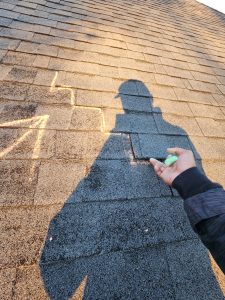
  • Shingles
  • Flashing
  • Gutters
  • Roof penetrations
  • Chimneys
  • Valleys
  • Roof ventilation

Interior Inspection (If Needed)

Possible inspection of:

  • Attic
  • Insulation
  • Moisture
  • Water stains
  • Ventilation

Documentation You’ll Receive

Include:

  • Photos
  • Measurements
  • Visible findings
  • Repair recommendations
  • Maintenance suggestions

Questions to Ask Your Roofing Professional

Suggested questions:

  • What condition is my roof in?
  • Are repairs needed immediately?
  • How long might the roof last?
  • Are there maintenance recommendations?
  • What areas should I monitor?

Warning Signs You Shouldn’t Ignore

Create a checklist including:

  • Ceiling stains
  • Active leaks
  • Missing shingles
  • Granules in gutters
  • Curling shingles
  • Sagging roof
  • Moss growth
  • Daylight in attic

Roof Inspections and Insurance

A professional roof inspection can provide helpful documentation when homeowners need a clearer understanding of their roof’s condition. This documentation may include photos, measurements, visible findings, repair recommendations, and maintenance suggestions. These details help homeowners see what areas may need attention and keep a record of the roof’s condition over time.

Inspection documentation can also be useful when homeowners are reviewing possible storm damage or preparing information for their insurance carrier. However, it is important to understand that a roofing contractor does not approve, deny, or negotiate insurance claims. Coverage decisions are made by the insurance carrier based on the policy, the inspection details, and their own claims review process.

The role of the roofing professional is to provide construction-related documentation, explain visible roof conditions, and recommend appropriate repairs or maintenance. This gives homeowners clear information they can use when making decisions about their roof, whether that involves maintenance planning, repairs, or communicating with their insurance provider.

Benefits of Scheduling an Inspection Early

Scheduling a roof inspection early is one of the best ways to protect your home and avoid costly surprises. Identifying visible signs of wear or damage before they worsen helps preserve your home’s value, reduce the risk of structural issues, and keep repair costs more manageable.

Routine inspections also make it easier to plan maintenance instead of reacting to unexpected problems. Whether your roof has recently endured severe weather or it’s simply been a while since your last inspection, a professional assessment provides valuable insight into your roof’s condition and greater peace of mind for the future.

Frequently Asked Questions

How often should I schedule a roof inspection?

How long does a roof inspection take?

Do I need to be home during the inspection?

Can roof damage exist without leaks?

Will the inspection automatically lead to an insurance claim?

Summarize:

  • Roof inspections are a proactive investment.
  • Preparation helps homeowners get the most from the appointment.
  • Professional inspections provide valuable insight into the condition of the roof.
  • Regular inspections can help homeowners make informed maintenance and repair decisions.

Schedule Your Professional Roof Inspection
 If you’ve noticed missing shingles, ceiling stains, storm damage, or simply want peace of mind about your roof, Insured Roofs is here to help.

Our experienced team provides professional roof inspections with detailed photo documentation, construction-focused recommendations, and clear communication so you can confidently understand your roof’s condition.

Book your roof inspection today and take the first step toward protecting your home.

Yes, you can start with an online roof quote to get an initial estimate for your roof replacement or roof repair. This helps homeowners get a general idea of pricing before scheduling an inspection. For the most accurate quote, Insured Roofs can review your roof condition in person and provide construction related recommendations based on what is visible during the inspection.

After you submit an instant roof quote, the Insured Roofs team can review your information and help determine the next best step. In many cases, that means scheduling a roof inspection to confirm the roof condition, review visible damage, and provide a more accurate roof repair or roof replacement estimate.

AccordionMost roof inspections can usually be completed in a short visit, depending on the size, slope, accessibility, and condition of the roof. During the inspection, the roofing specialist may check shingles, flashing, gutters, roof penetrations, ventilation, visible storm damage, and signs of leaks. If there is active damage or a complex roofing issue, the inspection may take longer. Content

To get a roof estimate, you usually need your property address, roof type, approximate roof age, any known leaks or damage, and the type of roofing service you need. Photos of roof damage, missing shingles, ceiling stains, or storm damage can also help the roofing contractor better understand your situation before the inspection.


An instant roof quote is a helpful starting point, but it is not always the final price. Online roof estimates are usually based on available property data, roof measurements, and basic project details. A physical roof inspection helps confirm the condition of the roof, hidden damage, decking issues, ventilation needs, and other details that may affect the final roof replacement cost.

The biggest factors that affect the price of a new roof are roof size, shingle type, roof slope, roof complexity, ventilation, flashing, underlayment, damaged decking, and whether old roofing materials need to be removed. Homes with steep roofs, multiple roof sections, skylights, chimneys, or storm related damage may require a more detailed inspection before final pricing can be confirmed.

An online roof estimate gives you a helpful starting point, but an inspection gives you a clearer understanding of your roof’s actual condition. A roof inspection can identify issues that may not be visible from the ground, such as lifted shingles, damaged flashing, soft decking, ventilation problems, or storm related damage. This helps you make a more informed decision before moving forward with roof repair or roof replacement.

Yes, storm damage can affect roof replacement cost because wind, hail, missing shingles, damaged flashing, gutter damage, or roof leaks may change the repair scope. A roof inspection helps document visible roof and exterior conditions with photos, measurements, and construction related recommendations so homeowners can better understand what needs attention.

Most roofs last around 25–50 years, depending on the roofing material, installation quality, maintenance, and local weather conditions. Asphalt shingle roofs, which are common for residential homes, often last around 20–30 years, but storm damage, poor ventilation, missing shingles, or repeated leaks can shorten that lifespan. If your roof is already around 20 years old, it’s a good idea to schedule a roof inspection to check its current condition.

A roof may need replacement when you see cracked shingles, curled shingles, missing shingles, heavy granule loss, repeated leaks, ceiling stains, soft spots, or visible aging across large sections of the roof. Homeowners can also check the attic for wet spots or stains under the roof deck, which may point to water intrusion. For safety, it’s better to inspect from the ground with binoculars and schedule a professional inspection instead of climbing onto the roof yourself.

Missing shingles are serious when they leave the roof exposed to water, wind, and additional shingle lifting. Even one missing shingle can create an opening where rain can reach the underlayment or roof decking. If you notice missing shingles after wind or a storm, schedule a roof inspection so the area can be checked before it turns into a leak.

A roof estimate should clearly show the roofing material, manufacturer, color, project scope, removal of old roofing, flashing work, ventilation work, warranty details, payment terms, and estimated timeline. A detailed estimate helps homeowners compare roofing contractors more fairly and avoid surprises later.

Yes, many homeowners stay home during roof replacement, but it can be loud because of tear-off, nailing, cleanup, and material movement. If you work from home, have pets, small children, or sensitive items inside the home, it may be more comfortable to plan around the noisiest part of the project. Ask the roofing team what to expect before installation day.

If roof decking is soft, rotted, or damaged, it may need to be replaced before new shingles are installed. Decking is the base layer that supports the roof system, so installing new shingles over damaged decking can create future problems. The contractor should document the issue and explain any decking replacement needed before moving forward.

The best roofing material depends on your budget, home style, roof slope, local weather, maintenance expectations, and how long you plan to stay in the home. Asphalt shingles are common for residential homes, while metal, slate, tile, and other materials may offer different benefits and costs. A roofing contractor can explain which options fit your home and budget.

A local roofing contractor is usually more familiar with the area’s weather, building requirements, common roof problems, and homeowner needs. Local contractors are also easier to contact for inspections, follow ups, repairs, and warranty questions. Before choosing a contractor, review their proposal, warranty, reputation, and proof of completed work.

Book Inspection