Get Your Home Fall-Ready: Roof and Exterior Maintenance That Matters
Fall is an important transition season for your home. As leaves begin to drop and temperatures become cooler, your roof, gutters, siding, flashing, drainage systems, and other exterior components should be checked before winter weather arrives.
Knowing how to prepare your roof for fall can help you identify visible concerns early, keep drainage paths clear, and better understand the condition of the exterior systems that protect your home. A seasonal inspection is especially valuable because small roofing concerns are not always obvious from the ground.
For homeowners throughout Arlington, Northern Virginia, and the surrounding DC, Maryland, and Virginia region, fall is a practical time to assess roof and exterior conditions before colder weather becomes a factor. Insured Roofs focuses on homeowner education, clear inspections, and roofing expertise an approach that aligns with the company’s broader strategy of building trust through useful, locally relevant roofing information.
Why Should You Prepare Your Roof for Fall?
Your roof works throughout the year. Sun exposure, summer heat, thunderstorms, wind, falling branches, debris, and normal material aging can all affect different parts of a roofing system.
By the time fall arrives, you may have leaves collecting in gutters, branches hanging over the roof, loose exterior components, aging sealants, or shingles that deserve a closer look.
A fall roof inspection gives homeowners an opportunity to evaluate these conditions before winter.
The goal isn’t to assume that every small change means your roof needs repair or replacement. Instead, seasonal roof maintenance helps you understand what is happening and determine whether professional evaluation is appropriate.
1. Start With a Safe Ground-Level Roof Check
One of the simplest ways to prepare your roof for fall is to visually inspect it from a safe location on the ground.
Never climb onto your roof simply to perform a seasonal check. Roofing surfaces can be steep, slippery, fragile, or difficult to navigate safely.
Instead, walk around your property and look for visible changes such as:
- Missing shingles
- Lifted or displaced shingles
- Cracked roofing materials
- Uneven roof areas
- Damaged roof edges
- Loose exterior components
- Debris collecting on the roof
- Branches touching the roofing surface
- Visible flashing concerns
- Changes around vents or penetrations
Binoculars or a zoom camera can sometimes provide a better view without requiring you to leave the ground.
If something looks unusual, a professional fall roof inspection can provide a closer assessment.
2. Check Your Gutters and Downspouts
Gutters are an important part of your roofing and exterior drainage system. Their job is to collect water coming off the roof and direct it toward downspouts and away from vulnerable areas of the property.
Fall creates an obvious challenge: leaves.
Leaves, pine needles, twigs, seed pods, and other debris can accumulate in gutters and interfere with drainage. During heavy rain, clogged gutters may overflow instead of directing water properly.
As part of your fall gutter maintenance, check for:
- Leaves and organic debris
- Sagging gutter sections
- Loose gutter fasteners
- Disconnected downspouts
- Water stains below gutter lines
- Damaged gutter sections
- Granules accumulating near downspout discharge
- Downspouts that discharge too close to the foundation
Keep gutters and downspouts clear before leaf accumulation becomes severe.
If gutter cleaning cannot be completed safely from the ground, consider hiring an appropriate professional rather than climbing onto the roof.
3. Look for Missing, Loose, or Damaged Shingles
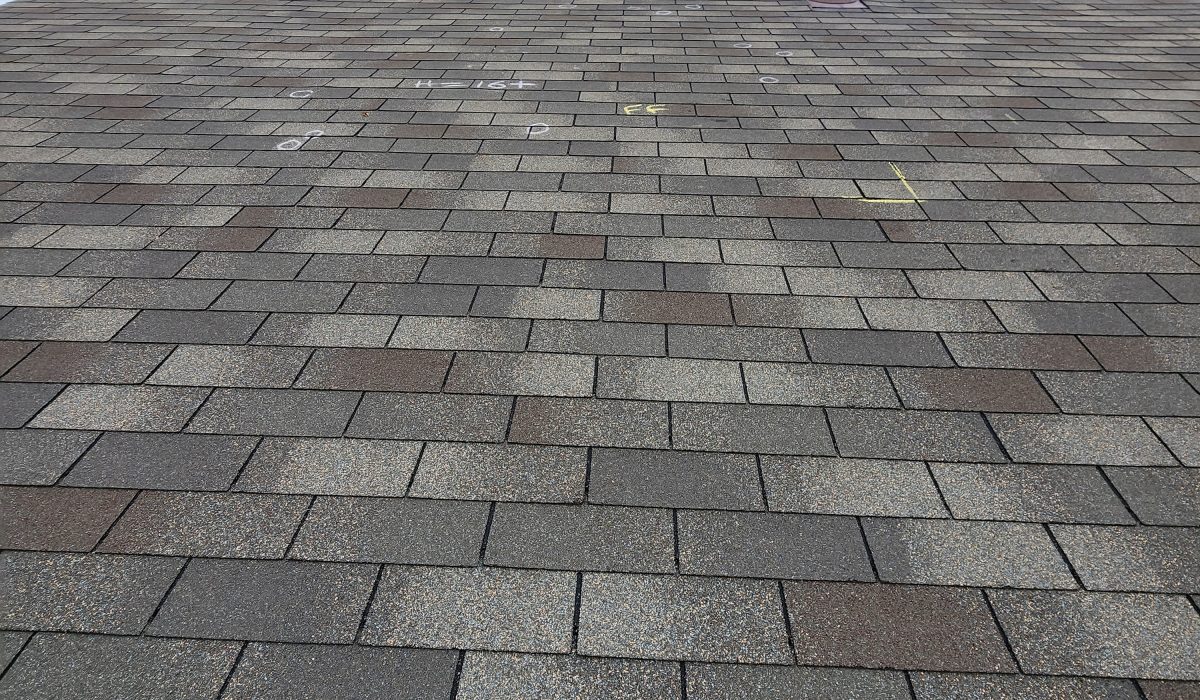
Shingles are your roof’s primary exposed surface, making their condition an important part of any fall roofing checklist.
From the ground, look for sections that appear noticeably different from surrounding roofing materials.
Possible concerns include missing, cracked, curled, lifted, displaced, or visibly damaged shingles.
One missing shingle does not automatically mean you need a new roof. However, missing or damaged roofing materials can leave portions of the system more exposed to weather.
A roofing professional can determine whether an isolated repair may be appropriate or whether the condition is part of a larger roofing issue.
4. Pay Attention to Flashing and Roof Transitions
Some of the most important parts of your roofing system are located where different surfaces meet.
Flashing helps manage water around roof transitions and penetrations. It may be installed around:
- Chimneys
- Skylights
- Plumbing vents
- Walls
- Valleys
- Roof-to-wall intersections
- Other penetrations
During fall roof maintenance, these areas deserve attention because water naturally travels toward transitions, valleys, and drainage points.
You may not be able to properly evaluate flashing from the ground. If you have previously experienced leaks or notice suspicious conditions around a roof penetration, professional inspection may be worthwhile.
5. Trim Branches Near the Roof
Trees add shade and character to a property, but branches growing directly over or against a roof can create maintenance concerns.
Branches can scrape roofing materials when moved by wind. They can also drop leaves, twigs, seeds, and other debris onto the roof and into gutters.
Dense tree coverage may also create shaded areas that take longer to dry after rain.
Before fall progresses, evaluate trees around your home. Pay particular attention to dead, damaged, or overhanging limbs.
Large tree work should be handled by a qualified tree professional rather than attempted from the roof.
6. Remove Excess Roof Debris Safely
Leaves and other organic debris can collect in valleys, behind chimneys, around roof penetrations, and in low-slope areas.
Keeping these drainage paths clear is an important part of seasonal roof maintenance.
However, homeowners should not climb onto the roof to sweep or remove debris themselves. If debris cannot be addressed safely from the ground, have an appropriate professional handle it.
Fall maintenance should improve safety not create another hazard.
7. Inspect Your Attic From Inside
You don’t always need to see the top of the roof to discover clues about its condition.
Your attic can reveal information that isn’t visible outside.
When safely accessible, look for:
- Water staining
- Dark or discolored areas
- Damp materials
- Unusual moisture
- Damaged insulation
- Signs of daylight through unexpected openings
- Musty odors
- Changes around roof penetrations
Also consider attic ventilation. Proper airflow is an important component of the overall roofing system.
If you notice unexplained staining or moisture, professional evaluation can help determine where it is coming from rather than simply treating the visible symptom.
8. Check Ceilings and Interior Walls for Moisture Clues
Your fall home maintenance checklist should extend indoors.
Walk through upper-level rooms and check ceilings and walls for new discoloration, bubbling paint, stains, or other signs of unwanted moisture.
Remember that the location where water becomes visible inside isn’t always directly beneath the exterior entry point. Water can travel along decking, framing, insulation, or other building materials.
That is one reason roof leaks can be difficult to diagnose without a proper inspection.
9. Inspect Siding and Exterior Components
Your roof isn’t the only exterior component protecting your home.
Siding, windows, doors, gutters, flashing, and roofing all work together as part of the exterior envelope.
Insured Roofs‘ brand positioning specifically includes roofing and exterior restoration, including roofs, siding, windows, and doors throughout the DC, Maryland, and Virginia region.
As you prepare your home exterior for fall, look for:
- Loose siding
- Cracked or damaged panels
- Gaps around penetrations
- Loose trim
- Damaged fascia
- Damaged soffits
- Deteriorated exterior sealant
- Water staining
- Areas where exterior materials have shifted
Visible changes do not always indicate a major problem, but they are worth documenting and monitoring.
10. Check Roof Valleys and Drainage Areas
Roof valleys handle concentrated amounts of rainwater because two roof slopes direct runoff toward the same channel.
That makes valley condition especially important before seasons with leaves, rain, and changing temperatures.
Debris can collect in these areas and potentially interfere with drainage.
Because valleys are generally not safe or practical for homeowners to inspect closely, use a ground-level visual check and leave detailed evaluation to a roofing professional.
11. Look Around Roof Vents and Pipe Boots
Roof penetrations deserve attention during a roof inspection before winter.
Plumbing vents, exhaust vents, and similar penetrations typically rely on flashing, boots, or seals to help manage water.
Over time, some materials can deteriorate.
From the ground, obvious deterioration may be difficult to see. If your roof is older, you’ve experienced a previous leak near a penetration, or you notice staining inside the attic, these areas should be included in a professional inspection.
12. Document Anything That Looks Different
One simple fall maintenance habit is taking photographs.
If you notice a roofing or exterior condition that appears unusual, photograph it from a safe location. This gives you a reference point for determining whether the condition changes over time.
Professional inspections can provide more detailed documentation. Insured Roofs‘ brand guidelines emphasize documenting assessments with photos, drone imagery, and thermal imaging as part of its inspection approach.
Good documentation can help homeowners understand the current condition of their property and make more informed maintenance decisions.
13. Don’t Wait for an Interior Leak to Think About Your Roof
A visible ceiling stain is an obvious reason to investigate a roofing problem but it shouldn’t be the only reason you think about roof maintenance.
Some exterior concerns can develop before water becomes visible inside.
That is why a fall roof inspection can be valuable even when everything appears normal from inside the home.
Preventive inspection is about understanding your roof’s current condition, not assuming something is wrong.
14. Consider the Age and Maintenance History of Your Roof
Roof age alone doesn’t determine whether a roofing system needs replacement.
Material type, installation quality, ventilation, maintenance history, exposure, repairs, weather conditions, and other factors can influence how a roof performs.
Still, knowing approximately when your roof was installed is useful.
If you don’t know, check home improvement records, previous inspection reports, permits, invoices, or information from the previous homeowner when available.
Combining age information with current physical condition gives you a much better picture than relying on age alone.
15. Schedule a Professional Fall Roof Inspection When Needed
There are limits to what homeowners can safely evaluate from the ground.
A professional inspection can take a closer look at roofing materials, penetrations, flashing, valleys, drainage areas, vents, roof edges, and other components that may not be easy to evaluate yourself.
Consider scheduling an inspection if:
- You notice missing or displaced shingles.
- Your roof recently experienced strong wind or hail.
- You have unexplained ceiling or attic staining.
- Gutters contain unusual amounts of roofing granules.
- You see damaged flashing or exterior components.
- Branches have fallen onto the roof.
- Your roof has not been evaluated in several years.
- You’re simply unsure about a visible condition.
The objective is to understand what the roof actually needs rather than automatically assuming repair or replacement.
Why Fall Roof Maintenance Matters in Northern Virginia
Homes throughout Arlington and Northern Virginia experience changing seasonal conditions throughout the year.
Summer heat can transition into cooler fall temperatures, falling leaves can affect drainage, and winter eventually introduces colder conditions.
That makes early fall a convenient window for exterior maintenance.
Completing your Virginia roof maintenance checklist while conditions are manageable can help you enter the colder season with a clearer understanding of your roof, gutters, siding, and drainage system.
It also gives you time to address legitimate maintenance concerns rather than discovering them during less convenient weather.
Fall Roof and Exterior Checklist
Before winter arrives, homeowners can use this quick checklist:
- Visually inspect the roof from the ground.
- Look for missing, lifted, cracked, or displaced shingles.
- Check gutters and downspouts.
- Clear fall leaves and organic debris safely.
- Examine roof edges, fascia, and soffits.
- Look for branches touching or overhanging the roof.
- Inspect accessible attic areas for moisture clues.
- Check ceilings for new stains or discoloration.
- Examine siding and exterior trim.
- Pay attention to flashing and roof penetrations.
- Document visible changes with photos.
- Schedule a professional inspection when something looks questionable.
Following these steps can make fall roof maintenance much more organized and manageable.
Frequently Asked Questions About Fall Roof Preparation
When should I prepare my roof for fall?
Early fall is generally a practical time to inspect your roof and exterior because it allows you to identify maintenance needs before colder winter conditions arrive. You can also perform additional ground-level checks after significant wind or storms.
Should I have my roof inspected every fall?
Not every home will have identical inspection needs. Roof age, recent weather, tree coverage, previous repairs, known leaks, and visible changes can influence how often professional evaluation makes sense. However, performing your own safe ground-level seasonal check is a useful maintenance habit.
Should I clean my gutters before winter?
Keeping gutters and downspouts clear is an important part of fall exterior maintenance. Leaves and debris can interfere with drainage, so gutters should be checked during the fall and again when heavy leaf accumulation occurs.
Can I inspect my roof myself?
You can perform a basic visual inspection from the ground. Homeowners should avoid walking on roofing surfaces because of fall hazards and the possibility of damaging roofing materials. Professional roofers have appropriate equipment and experience for closer evaluation.
What are the most important things to check on a roof before winter?
Start with shingles, gutters, flashing, roof penetrations, valleys, roof edges, tree branches, attic conditions, and interior moisture clues. Together, these areas provide a useful overview of your roofing and drainage system.
Do a few missing shingles mean I need a new roof?
Not necessarily. A few missing shingles may sometimes be repairable, while broader deterioration may require a different solution. A professional inspection can assess the extent of the condition and recommend appropriate options.
What should I do if I find a ceiling stain?
Document the stain and arrange for the source of the moisture to be investigated. Avoid assuming the exterior entry point is directly above the stain because water can travel through building materials before becoming visible indoors.
Can falling leaves damage a roof?
Leaves themselves don’t automatically mean roof damage, but accumulated organic debris can interfere with drainage and keep certain areas damp longer. Leaves can also clog gutters and collect in roof valleys, which is why fall debris management matters.
How do I prepare my gutters for fall and winter?
Check that gutters are securely attached, remove debris safely, confirm downspouts are connected, and make sure water can discharge away from the home. If the work requires unsafe ladder or roof access, use a qualified professional.
Prepare Your Roof for Fall With Insured Roofs
Your roof doesn’t need to have an active leak before it deserves attention.
A proactive fall roof inspection can help you understand the condition of your shingles, flashing, gutters, vents, drainage areas, and other exterior components before winter weather arrives.
Insured Roofs serves homeowners throughout the DC, Maryland, and Virginia region with roofing and exterior expertise, clear inspections, and documented assessments. The company’s brand positioning emphasizes licensed and insured service, homeowner education, and detailed inspection documentation.
Ready to Get Your Roof Fall-Ready?
Schedule your roof inspection with Insured Roofs today. Our team can evaluate visible roof and exterior conditions, document what we find, and explain appropriate construction-related next steps so you can head into the colder season with a clearer understanding of your home’s exterior.
Insured Roofs — We Protect What Protects You.