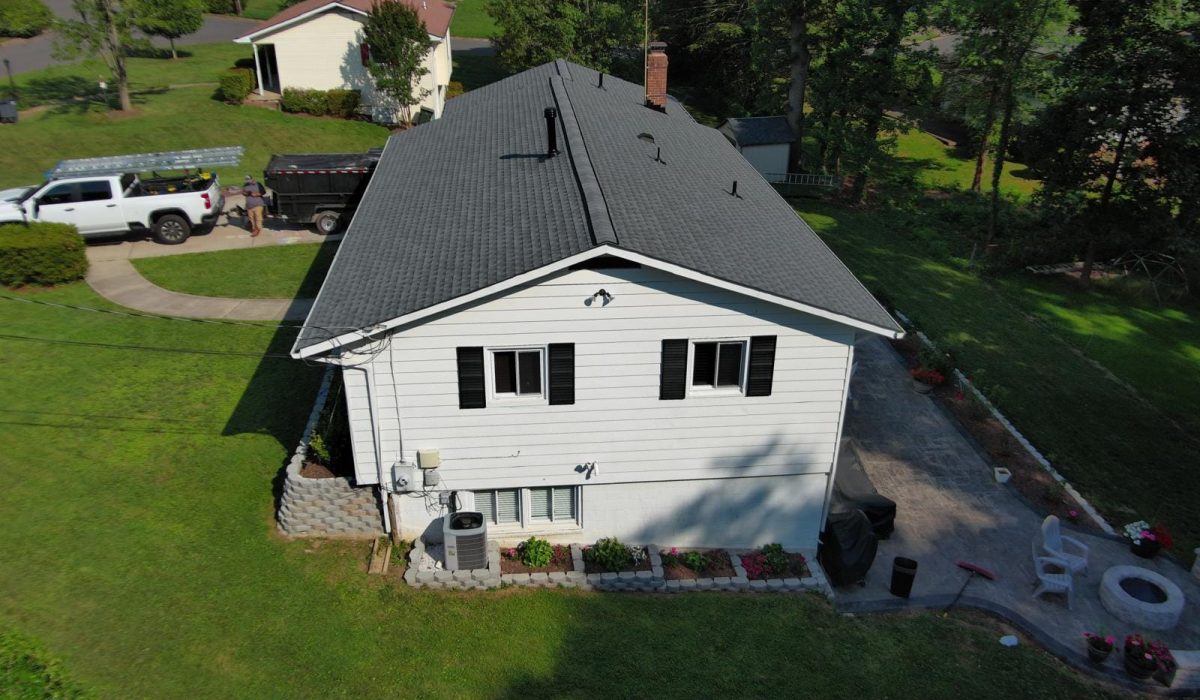
One of the most significant advantages of vinyl siding is its cost-effectiveness. Vinyl is generally less expensive than other siding materials, making it an attractive option for budget-conscious homeowners. Vinyl siding is known for being low maintenance. It doesn’t require painting, and cleaning it is as simple as using a garden hose or pressure washer to remove dirt and grime. 
Its resistant to moisture, pests, and rot is impeccable! This means it can withstand the elements without deteriorating quickly. It’s also available in a variety of colors and styles, allowing homeowners to achieve their desired look without sacrificing durability. Some vinyl siding options even come with insulation, which can improve your home’s energy efficiency by providing an extra layer of protection against heat loss or gain.
While vinyl siding has come a long way in terms of aesthetics, some homeowners feel that it lacks the natural, authentic look of materials like wood or fiber cement. Vinyl siding can crack or warp under extreme weather conditions, such as high winds, hail, or intense heat. Once damaged, it may be difficult to repair without replacing entire sections. It is made from PVC (polyvinyl chloride), which has raised environmental concerns due to its production process and potential release of harmful chemicals when burned.
Fiber cement siding offers a wide range of design options, mimicking the appearance of wood, stucco, or masonry while providing the durability of cement. It’s an excellent choice for homeowners who want the look of natural materials without the associated maintenance. Fiber cement is also highly durable and resistant to many common issues like rot, pests, and fire. It can withstand harsh weather conditions, making it a suitable option for various climates. While fiber cement siding may need occasional repainting, it’s relatively low maintenance compared to wood. It doesn’t warp or crack easily, and it’s resistant to moisture and insects.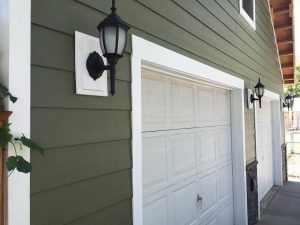
Now let’s dive into the cons. Fiber cement siding is more expensive than vinyl, both in terms of material and installation costs. However, its durability and long lifespan can offset the initial investment over time. Fiber cement is also a heavy material, which can make installation more challenging and costly. It often requires professional installation, adding to the overall expense. Although it requires less maintenance than wood, fiber cement siding may still need to be repainted every 10 to 15 years, depending on the climate and exposure to the elements.
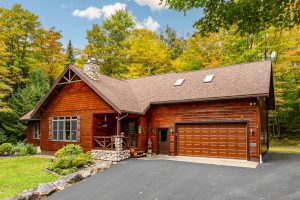 Wood siding offers a timeless, natural beauty that is hard to replicate with other materials. Its warm, authentic appearance adds character and charm to any home, making it a favorite among homeowners who value traditional or rustic aesthetics. Wood siding can be painted or stained in any color, allowing for complete customization. It can also be shaped and styled in various ways, such as clapboard, shingles, or board-and-batten, providing flexibility in design. Wood is an excellent renewable resource, making it an eco-friendly option for environmentally conscious homeowners. When sourced responsibly, wood siding can have a lower environmental impact compared to synthetic materials.
Wood siding does require regular maintenance, including painting or staining every few years to protect it from moisture, pests, and sun damage. Neglecting this maintenance can lead to rot, warping, or insect infestations. Wood siding is one of the more expensive options in terms of both material and maintenance costs. The need for ongoing upkeep can add to the overall expense over time. It is more prone to damage from moisture, insects, and fire compared to vinyl or fiber cement. In humid or wet climates, wood siding may be more susceptible to rot and decay, requiring more frequent repairs or replacements.
Choosing the right siding material for your home is a balancing act between aesthetics, durability, maintenance, and cost. Vinyl siding is an affordable, low-maintenance option that suits a wide range of budgets. Fiber cement siding offers a balance between durability and appearance, making it a versatile choice for homeowners looking for a long-lasting solution. Wood siding, while more expensive and maintenance-intensive, provides unmatched natural beauty and customization options.

Ultimately, the best siding material for your home depends on your specific needs, preferences, and budget. By weighing the pros and cons of each option, you can make an informed decision that enhances your home’s curb appeal while providing the protection it needs for years to come.