Is Your Siding Ready for Winter? A Homeowner’s Guide to Cold-Weather Prep

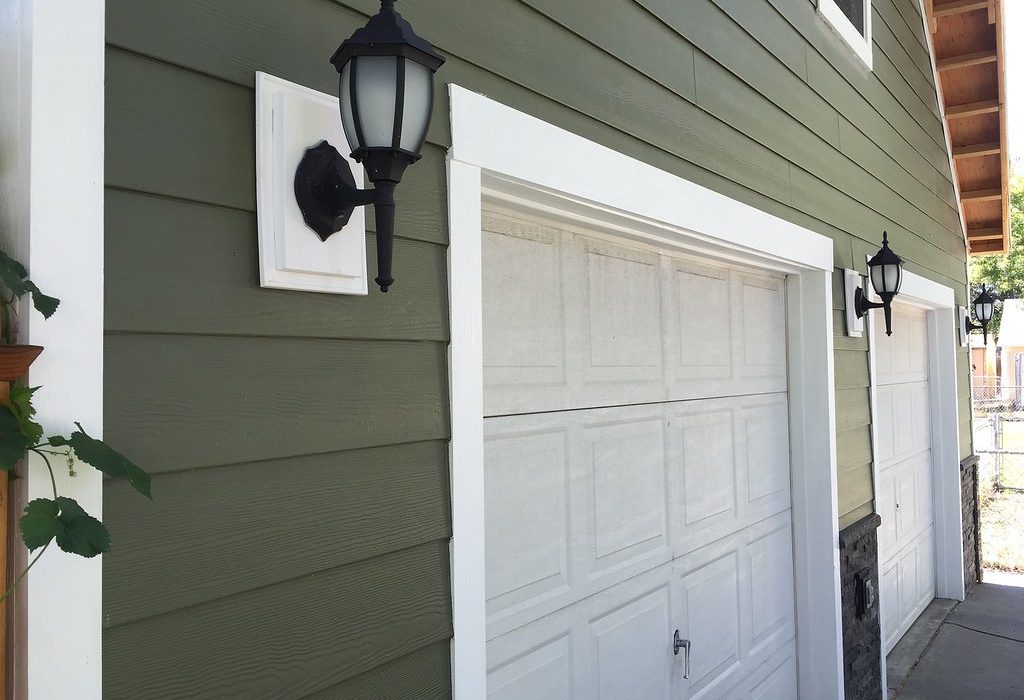
Home with well-maintained prepare your siding for winter weather and cold temperatures.
October 22, 2024

Is Your Siding Ready for Winter? A Homeowner’s Guide to Cold-Weather Prep

As the temperatures drop and winter draws closer, homeowners in Northern Virginia are getting their homes ready to withstand the chill. While much attention is often given to roofs and windows, siding plays a crucial role in protecting your home from the elements. Damaged or aged siding can lead to drafts, water leaks, and even higher energy bills /all problems you don’t want to deal with when it’s freezing outside. Prepare your siding for winter

At Insured Roofs, we believe preparation is the key to a cozy, stressfree winter. Let’s dive into what you should look for in your siding to ensure your home is ready to withstand the coldness of winter.  

Why Siding Matters During Winter

Siding isn’t just about aesthetics; it’s your home’s first line of defense against harsh weather. Well-maintained siding:

  • Protects your home from wind, snow, and freezing rain.
  • Helps maintain consistent indoor temperatures.
  • Prevents moisture from seeping into your walls, which could lead to mold or structural damage.
  • With the frosty months on their way, it’s time to inspect your siding to ensure it’s up for the task.

Signs Your Siding May Need Attention

1. Cracks or Gaps

Take a walk around your home and look for visible cracks or gaps in the siding. These can allow cold air to seep in and warm air to escape, driving up your heating costs. Even small openings can let in moisture, which can freeze and expand during the winter, worsening the damage.

2. Warping or Buckling

Warped or buckled siding can indicate underlying moisture issues or age related wear. These areas are more susceptible to further damage when exposed to freezing temperatures or heavy snow.

3. Peeling Paint or Bubbling

If the paint on your siding is peeling or you notice bubbles under the surface, it’s a red flag for water damage. These spots need to be addressed quickly before winter weather worsens the issue.
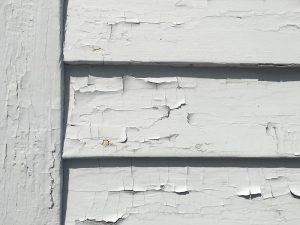
white paint peeling

4. Mold, Mildew, or Rot

Discoloration, mold, or mildew on your siding indicates trapped moisture. Rot is particularly concerning, as it can compromise the structural integrity of your home and lead to costly repairs if left unchecked.

5. Loose or Missing Panels

Strong winds or previous storms may have loosened or dislodged siding panels. These gaps are an open invitation for drafts, pests, and moisture—none of which you want hanging around this winter.lm;

How to Prepare Your Siding for Winter

  • Inspect and Clean

Start by giving your siding a thorough inspection and cleaning. Remove dirt, debris, and mildew with a soft brush or pressure washer (be gentle to avoid damage). This will also help you spot any hidden issues.

white siding on 1 level

  • Seal the Gaps

Caulk around windows, doors, and any gaps you find in your siding. A high-quality, weatherproof caulk can help block drafts and keep your home snug during the colder months.

  • Replace Damaged Panels

Don’t wait until temperatures plummet to replace broken or missing siding panels. Addressing these issues now ensures your home remains protected all winter long.

  • Consider Insulated Siding

If your siding is outdated or you’re ready for an upgrade, consider installing insulated siding. It adds an extra layer of protection against the cold and can improve your home’s energy efficiency.

If you’re unsure about the state of your siding, don’t hesitate to call in the experts. Insured Roofs offers free inspections to assess your home’s siding and recommend the best solutions.

How Insured Roofs Can Help

Preparing your siding for winter doesn’t have to be a solo project. Here’s how our team at Insured Roofs can assist:

  • Comprehensive Inspections: We’ll identify any issues that could compromise your home’s warmth and safety this winter.
  • Repairs and Replacements: Whether you need minor fixes or a complete siding overhaul, our experienced team has you covered.
  • Energy-Efficient Solutions: We can help you choose and install siding options that boost your home’s insulation and reduce energy costs.

Stay Cozy and Protected This Winter

Winter in Northern Virginia can be harsh, but your home doesn’t have to feel it. By giving your siding the attention it deserves, you can enjoy a warmer, more energy efficient home all season long.

Frequently Asked Questions (FAQ)

1. Why is it important to prepare your siding for winter?

Preparing your siding for winter helps protect your home from moisture intrusion, freezing temperatures, and strong winds. Proper maintenance can prevent costly repairs, improve insulation, and extend the lifespan of your siding.

2. How do I know if my siding needs repairs before winter?

Look for common warning signs such as cracks, loose or warped panels, peeling paint, mold or mildew growth, soft spots, fading, or gaps around windows and doors. These issues can allow water to penetrate and worsen during freezing weather.

3. Should I clean my siding before winter arrives?

Yes. Cleaning your siding removes dirt, mold, algae, and debris that can trap moisture against the surface. A clean exterior also makes it easier to spot damage that may need repairs before cold weather sets in.

4. Can damaged siding increase my heating bills?

Yes. Cracked or poorly sealed siding can allow cold air to enter your home and warm air to escape, forcing your heating system to work harder. Well-maintained siding helps improve your home’s energy efficiency.

5. What type of siding is best for winter weather?

Most modern siding materials, including vinyl, fiber cement, engineered wood, and metal siding, perform well in winter when properly installed and maintained. Regular inspections are more important than the material itself.

6. Should I replace damaged siding before winter?

If the damage is significant, replacing damaged sections before winter is recommended. Waiting until spring may allow moisture to enter your walls, leading to rot, mold, or structural damage.

7. How often should siding be inspected?

Homeowners should inspect their siding at least twice a year—once in the spring and once before winter. It’s also wise to schedule an inspection after severe storms or high winds.

8. Can winter weather make small siding problems worse?

Absolutely. Water can seep into small cracks and freeze as temperatures drop. As the water expands into ice, it can widen cracks and cause more extensive damage over time.

9. Is caulking around windows and doors part of siding maintenance?

Yes. Checking and replacing cracked or missing caulk around windows, doors, and trim helps prevent drafts, water leaks, and heat loss during the winter months.

10. Should I hire a professional to inspect my siding?

A professional siding inspection can identify hidden issues that may not be visible from the ground. An expert can recommend repairs or maintenance to help ensure your home’s exterior is ready for winter.

Book Inspection