- By Mendelssohn Casanas
- Construction Blog
- 0 Comment
Roof Cleaning: Do Roofs Need to Be Cleaned?
Roof cleaning is one of the most overlooked parts of home maintenance, yet it plays a major role in protecting your home’s value and extending the life of your roof. Many homeowners wonder whether roofs actually need to be cleaned or if rain alone is enough to keep them in good condition.
The truth is that dirt, algae, moss, lichen, leaves, and other debris can build up over time, trapping moisture and potentially causing damage to roofing materials. Regular roof cleaning helps preserve your roof’s appearance, improves drainage, and may prevent costly repairs in the future. In this guide, we’ll explain why roof cleaning matters, when it should be done, the benefits and risks involved, and how to determine whether your roof is due for professional cleaning.
Why Roof Cleaning Matters:
Let’s cut to the chase – yes, roofs do need to be cleaned, and here’s why:
- Preventing Damage: Over time, roofs can accumulate a layer of debris, including leaves, branches, moss, algae, and even bird droppings. This buildup not only detracts from your home’s curb appeal but can also cause damage to your roof’s surface and compromise its integrity.
- Extending Lifespan: Regular roof cleaning helps to remove dirt, debris, and organic matter that can accelerate wear and tear on your roof. By keeping your roof clean and free of contaminants, you can extend its lifespan and avoid costly repairs or premature replacement.
- Protecting Property Value: A clean, well-maintained roof enhances your home’s curb appeal and overall aesthetic appeal. Whether you’re looking to sell your home or simply take pride in its appearance, a clean roof can significantly boost your property value and leave a lasting impression on potential buyers or visitors.
Potential Risks and Benefits:
While roof cleaning offers numerous benefits, it’s important to consider the potential risks and benefits before diving into the task:
- Benefits: Enhanced curb appeal, extended roof lifespan, reduced risk of damage and leaks, improved property value.
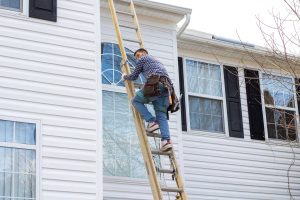
- Risks: Damage to roofing materials (especially if done incorrectly), potential for injury (especially when working at heights), environmental impact of cleaning products.
How to Determine if Your Roof Needs Cleaning:
So, how do you know if your roof is due for a cleaning? Here are a few signs to look out for:
- Visible debris, such as leaves, branches, or moss, on the roof’s surface.
- Streaks or stains caused by algae or mold growth.
- Clogged gutters or downspouts, indicating a buildup of debris on the roof.
After all that, the answer to the age-old question of whether roofs need to be cleaned is a resounding yes – with a few caveats. While roof cleaning offers numerous benefits, including preventing damage, extending lifespan, and enhancing curb appeal, it’s essential to approach the task with caution and care. Be sure to assess your roof’s condition, consider the potential risks and benefits, and if in doubt, consult with a professional roofing contractor for guidance. With a little proactive maintenance and occasional TLC, your roof will continue to protect your home and keep you safe and dry for years to come.
Why Roof Cleaning Is Important
Many homeowners assume rain will naturally wash away dirt and debris from their roof. Unfortunately, rain alone isn’t enough to remove stubborn contaminants like algae, moss, and lichen. These organisms thrive in damp, shaded areas and continue to grow unless they’re properly removed.
Regular roof cleaning helps eliminate these harmful growths before they cause long-term damage. Keeping your roof clean also allows professionals to identify minor issues, such as cracked shingles or damaged flashing, before they become major roofing problems.
A clean roof also contributes to the overall health of your home by reducing moisture retention and improving drainage during heavy rainstorms.
Common Roof Contaminants
Several types of debris and biological growth can accumulate on a roof over time.
Algae
Black streaks running across asphalt shingles are usually caused by algae. While algae may initially appear to be only a cosmetic issue, it can retain moisture and contribute to premature roof deterioration.
Moss
Moss thrives in shaded, damp environments. As it grows, it lifts shingles and traps water underneath, increasing the risk of leaks and water damage.
Lichen
Lichen forms when algae and fungi combine. It creates a strong bond with roofing materials, making it difficult to remove without professional cleaning methods.
Leaves and Branches
Fallen leaves and small branches often collect in roof valleys and around chimneys. These piles trap moisture and prevent proper water drainage.
Dirt and Debris
Dust, pollen, and airborne debris gradually accumulate on roofing surfaces, reducing your roof’s appearance and contributing to organic growth.
Benefits of Roof Cleaning
Scheduling routine roof cleaning offers several important advantages for homeowners.
Extends Roof Lifespan
One of the biggest benefits of roof cleaning is extending the life of your roofing system. Removing harmful algae, moss, and debris helps prevent premature deterioration of shingles and other roofing materials.
Prevents Costly Repairs
Small roofing issues can quickly turn into expensive repairs when moisture becomes trapped beneath shingles or around flashing. Regular cleaning helps uncover potential problems before they worsen.
Improves Curb Appeal
Your roof makes up a significant portion of your home’s exterior. A clean roof instantly enhances curb appeal and creates a well-maintained appearance.
This is especially valuable if you’re planning to sell your home, as buyers often notice the condition of the roof during their first impression.
Improves Drainage
Leaves and debris can clog roof valleys and gutters, preventing rainwater from flowing properly. Cleaning your roof helps ensure water drains away efficiently, reducing the risk of leaks and water intrusion.
Helps Detect Damage Early
Roof cleaning provides an excellent opportunity to inspect your roof for cracked shingles, loose flashing, missing granules, damaged vents, or other signs of wear.
Finding these problems early often means simpler and less expensive repairs.
How Often Should You Clean Your Roof?
There isn’t a universal schedule for roof cleaning because every home is different. Several factors affect how frequently your roof should be cleaned, including:
- The climate in your area
- Nearby trees
- Roof pitch
- Shade exposure
- Roofing material
- Previous storm activity
Homes surrounded by large trees or located in humid climates may require more frequent roof cleaning due to increased moss and algae growth.
Many roofing professionals recommend having your roof inspected annually to determine whether cleaning is necessary.
Signs Your Roof Needs Cleaning
Your roof may be ready for professional cleaning if you notice:
- Black streaks across shingles
- Green moss growth
- White or gray lichen patches
- Leaves collecting in roof valleys
- Excessive debris
- Clogged gutters filled with roof granules
- Water draining improperly after rain
- A roof that appears stained or discolored
Addressing these warning signs early can help prevent larger roofing issues in the future.
DIY Roof Cleaning vs. Professional Roof Cleaning
Some homeowners consider cleaning their roof themselves to save money. While removing leaves from the ground or cleaning accessible gutters may be manageable, walking on a roof can be extremely dangerous.
Improper cleaning methods may also damage shingles.
For example, using a pressure washer on asphalt shingles can remove protective granules and shorten the roof’s lifespan. Harsh chemicals may also damage roofing materials or surrounding landscaping.
Professional roof cleaning companies use techniques specifically designed for different roofing systems while minimizing the risk of damage.
Hiring experienced professionals also provides an opportunity for a thorough roof inspection that may identify issues not visible from the ground.
Roof Cleaning and Energy Efficiency
A dirty roof doesn’t just affect appearance it can also influence your home’s energy efficiency.
Dark algae stains absorb more heat from the sun, causing roof surfaces to become hotter during the summer months. A clean roof reflects sunlight more effectively, which may help reduce heat transfer into your attic and lower cooling demands.
While roof cleaning alone won’t dramatically reduce energy bills, it contributes to maintaining your roof’s overall performance.
Preventing Future Roof Buildup
After cleaning your roof, homeowners can take several steps to slow future buildup:
- Trim tree branches hanging over the roof.
- Clean gutters regularly.
- Remove leaves after storms.
- Schedule annual roof inspections.
- Address damaged shingles promptly.
- Ensure proper attic ventilation to reduce moisture.
Preventative maintenance helps keep your roof cleaner for longer while reducing the likelihood of moss and algae returning.
Final Thoughts
So, do roofs need to be cleaned? Absolutely. Routine roof cleaning is an important part of protecting your home and maintaining the performance of your roofing system. Removing algae, moss, leaves, and debris helps extend your roof’s lifespan, improve curb appeal, support proper drainage, and identify minor issues before they become costly repairs.
Rather than waiting until stains or damage become obvious, homeowners should make roof cleaning part of their regular home maintenance routine. A clean roof not only looks better but also helps safeguard your investment for years to come.
If you’re unsure whether your roof needs attention, scheduling a professional roof inspection is one of the best ways to evaluate its condition and determine whether roof cleaning is recommended.