
- By Mendelssohn Casanas
- Construction Blog
- 0 Comment
Why a Roof Inspection After Winter Is Essential for Your Home
A roof inspection after winter is one of the most important maintenance tasks homeowners should complete before spring is in full swing. Months of snow, ice, freezing temperatures, and strong winds can leave behind hidden roof damage that may not be visible from the ground. If these issues go unnoticed, they can lead to leaks, water damage, and expensive repairs later in the year.
As the weather warms up, now is the perfect time to perform a roof inspection after winter to identify potential problems early and ensure your roof is ready for spring storms and heavy rain. In this guide, we’ll cover the three most important areas to inspect, explain what warning signs to look for, and share practical tips to help protect your home and extend the life of your roof.
Spring Has Sprung! 3 Things to Check on Your Roof After a Tough Winter
The birds are chirping, the sun is shining, and your roof… well, it just survived another brutal winter. Between the snow, ice, and blustery winds, your roof has been working overtime to keep your home safe. Now that spring is rolling in, it’s time to return the favor.
Before you get caught up in the excitement of warm weather and backyard BBQs, take a few minutes to give your roof a little post-winter checkup. Here are the top three things homeowners should keep an eye on to make sure their roof is ready for the season ahead.
1. Shingles That Have Called It Quits
Your shingles took a beating all winter long. From ice buildup to strong gusts of wind, it’s not uncommon for some of them to loosen, crack, or disappear entirely.
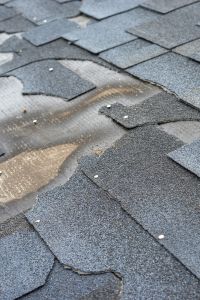
Damaged or missing shingles can allow water to seep into your home, leading to leaks, mold, and costly repairs. If you spot anything suspicious, it’s time to call in the roofing pros. Keep an eye out for:
- Missing, curled, or cracked shingles
- Bald spots where granules have worn away
- Shingles that look more warped than a melted chocolate bar
2. Gutters That Have Become Nature’s Junk Drawer
Over the winter, your gutters have probably collected a delightful mix of leaves, twigs, and whatever debris the wind decided to gift your home. A clogged gutter system can spell trouble when those spring showers roll in. Gutters typically see issues from overflowing when it rains, build up of granules from your shingles, or even small trees or plants growing where they shouldn’t be!
Gutters are your roof’s drainage system. If they’re clogged, water can back up onto your roof and seep into your home, causing leaks, rot, and some very unwelcome basement puddles. Give them a good cleaning or call in the experts if things are looking rough.
3. The Mysterious Attic Inspection
Most people don’t spend a lot of time in their attic, but this is one of the best places to check for post-winter roof damage.
What to look for:
- Sunlight peeking through the roof boards (hint: not a skylight)
- Damp insulation or water stains on the ceiling
- A musty smell that screams “moisture problem”
Small leaks can turn into big problems fast. If you see signs of moisture or water damage, your roof may have weak spots that need immediate attention. And trust us, fixing a leak now is way cheaper than replacing an entire section of your roof later.
Winter was tough, but your roof made it through like a champ. Now it’s your turn to return the favor. Keeping an eye on these three things shingles, gutters, and attic leaks—will help prevent costly surprises and keep your home in tip-top shape for the sunny months ahead.
If you notice any damage, don’t panic! Insured Roofs is here to help. We offer free inspections, expert repairs, and full roof replacements for homeowners in Arlington, Stafford, and the greater Northern Virginia area.
Frequently Asked Questions (FAQ)
1. Why is a roof inspection after winter important?
A roof inspection after winter helps identify damage caused by snow, ice, freezing temperatures, and strong winds before it turns into costly repairs. Catching problems early can help extend the life of your roof and protect your home.
2. What should I look for during a roof inspection after winter?
Look for missing or damaged shingles, loose flashing, clogged or damaged gutters, cracked roof vents, sagging areas, and signs of water damage inside your attic or ceilings. Even small issues can worsen if left unaddressed.
3. Can winter weather damage a roof even if there are no visible leaks?
Yes. Winter weather can loosen shingles, damage flashing, create ice dam issues, or weaken roofing materials without causing immediate leaks. A professional inspection can uncover hidden damage before it becomes a major problem.
4. How often should I schedule a roof inspection?
Most roofing professionals recommend scheduling a roof inspection at least once a year, preferably in the spring after winter weather has passed. It’s also a good idea to schedule an inspection after severe storms or high winds.
5. Is it safe to inspect my roof myself?
You can perform a basic visual inspection from the ground using binoculars, but avoid climbing onto your roof. Walking on a roof can be dangerous and may cause additional damage. A professional roofing contractor has the proper training and equipment to inspect it safely.
6. What are the most common signs of winter roof damage?
Common signs include:
- Missing, cracked, or curling shingles
- Loose or damaged flashing
- Granules collecting in gutters
- Sagging gutters or downspouts
- Water stains on ceilings or attic walls
- Moss or algae growth in damaged areas
7. What happens if I ignore roof damage after winter?
Ignoring roof damage can allow water to penetrate your home, leading to leaks, mold growth, wood rot, insulation damage, and more expensive repairs. Addressing minor issues early is usually much more affordable than waiting until they become major problems.
8. Should I inspect my gutters along with my roof?
Yes. Gutters are an important part of your roofing system. Check for clogs, sagging sections, loose fasteners, and excessive shingle granules, as these may indicate roof wear or drainage problems.
9. Can a professional roof inspection help extend the life of my roof?
Absolutely. Regular inspections help identify and address minor issues before they become significant problems, allowing your roof to perform better and last longer.
10. When is the best time to schedule a roof inspection after winter?
The ideal time is early spring, once snow and ice have melted and weather conditions are safe. This allows homeowners to repair any winter damage before spring rains and summer storms arrive.