Winterizing Your Roof: A Comprehensive Checklist by Insured Roofs

roof winterization checklist
January 22, 2024

Roof Winterization Checklist: Prepare Your Home for Cold Weather

Cold temperatures, snow, ice, heavy rain, and strong winds can place significant stress on your roofing system. Following a complete roof winterization checklist can help you identify vulnerable areas, prevent moisture intrusion, and prepare your home for harsh seasonal weather.

Important winter preparation steps include clearing gutters, inspecting shingles, checking flashing, trimming overhanging branches, and improving attic ventilation and insulation. Addressing these areas before severe weather arrives may reduce the risk of ice dams, roof leaks, damaged materials, and expensive emergency repairs.

Insured Roofs provides professional roof inspections for homeowners in Arlington and surrounding Northern Virginia communities. Our team can evaluate your roof, document visible concerns, and recommend practical solutions to help protect your property throughout the winter.

Winterizing Your Roof: A Comprehensive Checklist by Insured Roofs

Have you given your roof the attention it deserves to withstand the challenges of the cold season? Unsure where to begin? Don’t worry – the Insured Roofs team in Arlington, Virginia has created a comprehensive winterizing checklist to guide homeowners through the essential steps to ensure their roofs remain sturdy, resilient, and leak-free. Follow this checklist to safeguard your home from this winter’s harsh elements.

Winter Roof Maintenance Checklist:

(  ) Clear Gutters and Downspouts:

  • Remove debris, leaves, and twigs from gutters and downspouts to prevent clogs.
  • Ensure proper drainage to prevent ice dam formation.

(  ) Inspect and Repair Roof Shingles:

  • Check for missing, damaged, or curled shingles.
    winterizing gutters

  • Replace or repair any compromised shingles to maintain a watertight seal.

(  ) Check Flashing and Sealants:

  • Inspect flashing around chimneys, vents, and skylights for signs of wear.
  • Reapply sealants and caulking where needed to prevent water infiltration.

(  ) Trim Overhanging Branches:

  • Trim branches that overhang your roof to prevent damage from falling limbs during winter storms.

(  ) Remove Excess Snow:

  • Safely remove excess snow using a roof rake to prevent structural stress.
  • Avoid using metal tools that can damage shingles.

(  ) Prevent Ice Dams:

  • Ensure proper attic insulation and ventilation to prevent ice dam formation.
  • Consider adding ice and water shields to vulnerable areas.
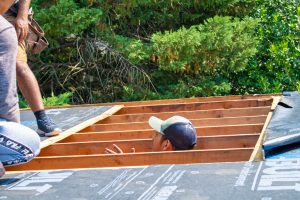
attic insulation(  ) Check Attic Insulation:

  • Inspect and upgrade attic insulation to maintain a consistent temperature and prevent heat loss, reducing the risk of ice dams.

(  ) Inspect Skylights and Ventilation:

  • Ensure skylights are properly sealed and insulated.
  • Check ventilation systems to prevent condensation and moisture buildup.

(  ) Emergency Kit Preparation:

  • Create an emergency kit with essentials like tarps, sealants, and a roof repair patch.
  • Keep contact information for Insured Roofs readily available in case of unexpected damage.

(  ) Examine Chimney and Vents:

  • Inspect chimney flashing for gaps or damage.
  • Ensure vents are clear of debris to prevent carbon monoxide buildup.

(  ) Interior Inspection:

  • Check for signs of water stains, leaks, or mold inside your home.
  • Address any interior issues promptly to prevent further damage.

When all else fails, you can always schedule a professional roof inspection. The Insured Roofs team will conduct a thorough winter roof inspection and identify and address any existing issues, ensuring your roof is in optimal condition.

Winterizing your roof is a proactive step toward ensuring a warm, dry, and secure home throughout the winter months. Following this comprehensive checklist from Insured Roofs will help you address potential issues and strengthen your roof against the challenges of the rest of the Northern Virginia weather season. Don’t wait until winter storms arrive; take action now to protect your investment. Contact us today for a professional winter roof inspection, and let us help you weather the winter with confidence.

Frequently Asked Questions About Our Roof Winterization Checklist

1. What should a roof winterization checklist include?

A complete roof winterization checklist should include inspecting shingles, flashing, sealants, gutters, downspouts, attic ventilation, insulation, chimneys, skylights, and roof penetrations. It should also cover trimming dangerous branches and checking for existing leaks.

2. When should I begin winterizing my roof?

The best time to follow a roof winterization checklist is during early to mid-fall, before freezing temperatures and snowfall arrive. However, homeowners can still schedule an inspection during winter when weather and roof conditions are safe.

3. Why should gutters be cleaned before winter?

Leaves, twigs, and other debris can prevent water from draining through the gutters. When trapped water freezes, it may damage gutters or contribute to ice dams. Clearing gutters and downspouts is therefore an essential step in any roof winterization checklist.

4. What shingle damage should I look for?

Look for shingles that are missing, cracked, curled, lifted, loose, or losing excessive granules. Damaged shingles can expose the roofing system to moisture, wind, snow, and ice. Homeowners should inspect the roof from the ground and leave close examination to a professional.

5. How can I help prevent ice dams?

Proper attic insulation, balanced ventilation, sealed air leaks, and clear gutters can help reduce ice-dam formation. These measures keep the roof temperature more consistent and allow melting snow to drain more effectively.

6. Why should roof flashing and sealants be inspected?

Flashing and sealants protect vulnerable areas around chimneys, skylights, vents, valleys, and other roof penetrations. Cracked sealant or loose flashing can allow water to enter the roofing system, making this inspection an important part of a roof winterization checklist.

7. Should overhanging tree branches be trimmed?

Yes. Branches hanging above the roof may break under the weight of snow or ice and damage shingles, gutters, or other exterior components. They can also deposit leaves and debris that block proper drainage.

8. How does attic ventilation protect a roof during winter?

Balanced attic ventilation helps regulate temperature and control moisture. Without proper ventilation, warm and humid indoor air may collect in the attic, contributing to condensation, damaged insulation, mold growth, and ice dams.

9. Should homeowners remove snow from the roof?

Most homeowners should not climb onto a snowy or icy roof. If snow appears unusually heavy or uneven, contact a qualified professional to evaluate the situation and determine whether safe removal is necessary.

10. When should I schedule a professional winter roof inspection?

Schedule an inspection if you notice missing shingles, roof leaks, ceiling stains, damaged gutters, ice dams, sagging areas, or fallen branches. You should also consider a professional inspection before winter or after severe weather to complete your roof winterization checklist safely.


Get Your Roof Ready for Winter

Don’t wait for snow, ice, or freezing temperatures to reveal a hidden roofing problem. Complete your roof winterization checklist with a professional inspection from Insured Roofs. Our experienced team can identify visible concerns and recommend the right steps to help protect your home throughout the winter.

Call Insured Roofs at (703) 828-7462 today to schedule your free roof inspection!

Book Inspection