- By Mendelssohn Casanas
- Construction Blog
- 0 Comment
The Importance of Having an Energy Efficient Roof: Everything Homeowners Need to Know
As energy costs continue to rise and environmental concerns grow, homeowners are increasingly looking for ways to make their homes more energy-efficient. One of the most effective yet often overlooked solutions is having an energy-efficient roof. In this blog post, we’ll dig into the importance of an energy-efficient roof, how it can benefit you, and what steps you can take to ensure your roof is helping rather than hindering your energy goals.
1. What is an Energy-Efficient Roof?
An energy-efficient roof is designed to minimize the transfer of heat between your home and the outside environment. It helps keep your home cooler in the summer and warmer in the winter, reducing the need for excessive heating and cooling. This efficiency is achieved through various materials, coatings, and construction techniques that enhance the roof’s thermal performance.
2. Benefits of an Energy-Efficient Roof
- Lower Energy Bills: One of the most immediate benefits of an energy-efficient roof is the reduction in your energy bills. By minimizing heat transfer, your HVAC system doesn’t have to work as hard to maintain a comfortable temperature, leading to significant savings on heating and cooling costs.
- Increased Comfort: An energy-efficient roof helps maintain a consistent indoor temperature, making your home more comfortable year-round. No more sweltering summers or freezing winters – just a pleasant living environment regardless of the season.
- Environmental Impact: Reducing your energy consumption not only saves you money but also lessens your carbon footprint. By using less energy, you’re contributing to a more sustainable future and helping to combat climate change.
- Extended Roof Lifespan: Energy-efficient roofs are often made from high-quality, durable materials that can withstand harsh weather conditions. This durability translates to a longer lifespan for your roof, meaning fewer repairs and replacements over time.
- Increased Property Value: Energy-efficient features are highly desirable in today’s real estate market. An energy-efficient roof can enhance your home’s value and make it more attractive to potential buyers should you decide to sell.
3. Key Components of an Energy-Efficient Roof

- Reflective Roofing Materials: These materials, such as cool roofs, reflect more sunlight and absorb less heat compared to traditional roofing. They help keep your home cooler and reduce the need for air conditioning.
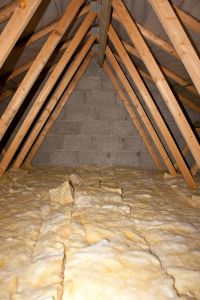
- Proper Insulation: Adequate insulation in your roof and attic is crucial for preventing heat transfer. It keeps warm air inside during the winter and blocks heat from entering during the summer
- Ventilation: Proper ventilation allows hot air to escape from your attic, reducing the overall temperature of your roof. This can be achieved through ridge vents, soffit vents, and attic fans
- Roof Coatings: Reflective roof coatings can be applied to existing roofs to enhance their energy efficiency. These coatings reflect sunlight and provide an extra layer of protection against the elements.
- Green Roofs: Green roofs, or living roofs, are covered with vegetation that provides natural insulation and reduces heat absorption. They also offer additional environmental benefits such as improved air quality and reduced stormwater runoff.
4. Steps to Achieving an Energy-Efficient Roof
- Conduct an Energy Audit: Start by having a professional energy audit to assess your home’s current energy efficiency. This audit will identify areas where improvements can be made, including your roof.
- Choose the Right Materials: Select roofing materials that are designed for energy efficiency. Look for products with high solar reflectance and thermal emittance ratings.
- Upgrade Insulation: Ensure your attic and roof are properly insulated. Consider adding more insulation if necessary to improve thermal performance.
- Improve Ventilation: Enhance your attic ventilation to reduce heat buildup and improve airflow. This step is crucial for maintaining an energy-efficient roof.
- Apply Reflective Coatings: Consider applying a reflective coating to your existing roof to boost its energy efficiency. This is a cost-effective way to reduce heat absorption and improve comfort.
- Consider a Green Roof: If you’re up for a more extensive project, consider installing a green roof. While it’s a larger investment, the long-term benefits for both energy efficiency and the environment can be substantial.
Investing in an energy-efficient roof is one of the smartest decisions a homeowner can make. Not only will it lower your energy bills and increase your home’s comfort, but it will also contribute to a healthier planet and boost your property’s value. At Insured Roofs, we specialize in energy-efficient roofing solutions tailored to your needs. Contact us today for a consultation and take the first step toward a more energy-efficient home. With the right roof, you can enjoy a cooler summer, a warmer winter, and a greener future.
Frequently Asked Questions (FAQ)
1. What is an energy efficient roof?
An energy efficient roof is a roofing system designed to reduce heat absorption and improve your home’s overall energy performance. It uses reflective roofing materials, proper insulation, and effective ventilation to help keep your home cooler in the summer and warmer in the winter.
2. How does an energy efficient roof reduce energy bills?
An energy efficient roof helps lower energy bills by reflecting more sunlight and reducing the amount of heat that enters your home. This allows your heating and cooling system to work more efficiently, reducing energy consumption and lowering monthly utility costs.
3. What are the benefits of installing an energy efficient roof?
Installing an energy efficient roof offers several advantages, including:
- Lower heating and cooling costs
- Improved indoor comfort
- Reduced strain on HVAC systems
- Longer roof lifespan
- Better environmental sustainability
- Increased home value
- Enhanced year-round energy efficiency
4. What roofing materials are best for an energy efficient roof?
Several roofing materials can create an energy efficient roof, including:
- Cool asphalt shingles
- Metal roofing
- Clay or concrete tiles
- Slate roofing
- Reflective roof coatings
- ENERGY STAR®-rated roofing products
The best material depends on your home’s design, local climate, and budget.
5. Can an energy efficient roof improve indoor comfort?
Yes. An energy efficient roof helps maintain more consistent indoor temperatures by reducing heat transfer through the roof. This makes your home more comfortable during both hot summers and cold winters while reducing temperature fluctuations.
6. Is an energy efficient roof worth the investment?
For many homeowners, an energy efficient roof is a worthwhile investment because it can reduce long-term energy costs, improve home comfort, increase property value, and potentially extend the life of your roofing system through better heat management.
7. How can I tell if I need an energy efficient roof?
You may benefit from an energy efficient roof if you notice:
- High energy bills
- Uneven indoor temperatures
- Excessive attic heat
- An aging roof nearing replacement
- Increased HVAC usage during extreme weather
A professional roof inspection can help determine whether upgrading to an energy-efficient roofing system is the right solution.
8. Does proper ventilation affect an energy efficient roof?
Absolutely. Proper attic ventilation is an important part of an energy efficient roof because it allows excess heat and moisture to escape. Good ventilation helps improve energy efficiency, prevents moisture buildup, and can extend the lifespan of roofing materials.
9. Can an energy efficient roof increase my home’s value?
Yes. Installing an energy efficient roof can make your home more attractive to buyers by improving energy performance, lowering utility costs, and providing long-term durability. Energy-efficient upgrades are often viewed as valuable home improvements.
10. Should I schedule a professional inspection before installing an energy efficient roof?
Yes. Before investing in an energy efficient roof, it’s recommended to schedule a professional roof inspection. A qualified roofing contractor can evaluate your current roof, attic ventilation, insulation, and overall roofing system to recommend the most effective energy-efficient solution for your home.
Upgrade to an Energy Efficient Roof Today
If you’re looking to lower your energy bills, improve indoor comfort, and extend the life of your roofing system, an energy efficient roof could be the right solution for your home. Choosing the right roofing materials and ensuring proper installation can make a lasting difference in your home’s performance and value.
Schedule your FREE roof inspection with Insured Roofs today. Our experienced team will evaluate your current roof, discuss energy-efficient roofing options, and provide honest recommendations tailored to your home’s needs.


