- By Mendelssohn Casanas
- Construction Blog
- 0 Comment
Recent Hail Storm Roof Damage: How Hail Is Wreaking Havoc on Roofs This Season
Recent hail storm roof damage is becoming a growing concern for homeowners across the DMV as severe weather continues to impact homes this season. As the saying goes, “When it rains, it pours,” but when hail falls, it can leave behind hidden roof damage that leads to costly repairs if left unaddressed. Homeowners throughout Northern Virginia have experienced powerful hailstorms capable of damaging shingles, flashing, gutters, and other exterior components. While Stafford, VA may have avoided the worst of these storms, many residents across the region have turned to Insured Roofs for professional roof inspections to identify damage early and help protect their homes before small issues become major problems.
Understanding Hail Damage:
Hail is a type of precipitation that consists of balls or irregular lumps of ice, known as hailstones. When these hailstones hit your roof, they can cause a variety of issues ranging from minor cosmetic damage to severe structural problems. The extent of the damage largely depends on the size, density, and velocity of the hailstones, as well as the age and condition of your roof.
Signs of Hail Damage on Your Roof:
- Dents and Dings: Hailstones can leave noticeable dents and dings on your shingles, gutters, and flashing. These dents may be easy to spot on metal surfaces but can be more subtle on asphalt shingles.
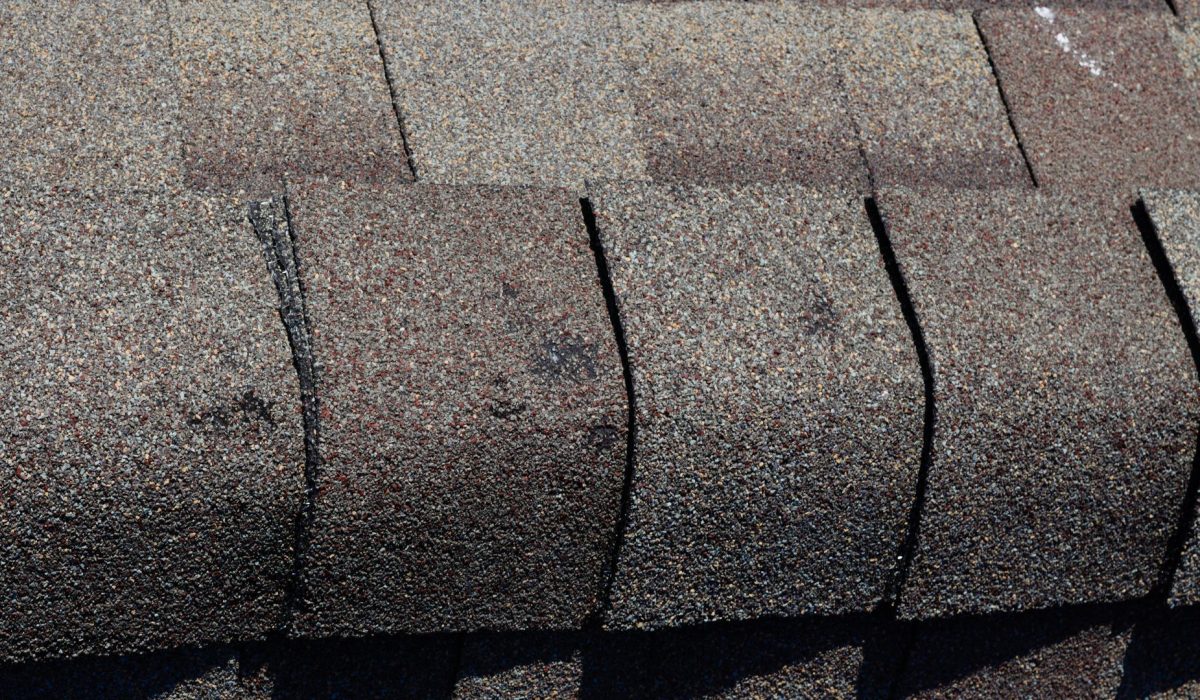
- Granule Loss: Asphalt shingles are coated with granules that protect them from the elements. Hail impact can knock these granules loose, leading to bare spots on your shingles. Granule loss can compromise the shingle’s ability to protect your roof from UV rays and water infiltration.
- Cracked or Broken Shingles: Larger hailstones can crack or break your shingles, leaving your roof vulnerable to leaks. Check for any shingles that appear split, fractured, or displaced.
- Bruising: Even if the shingles don’t show visible signs of damage, hail impact can cause “bruising,” weakening the shingle’s structure and making it more susceptible to future damage.
- Water Leaks: One of the most significant signs of hail damage is water infiltration. If you notice water stains on your ceilings or walls, it could be a sign that hail has compromised your roof’s integrity.
Protecting Your Roof from Hail Damage:
- Regular Inspections: Schedule regular roof inspections, especially after a hailstorm. Professional inspections can identify and address damage before it becomes a more significant problem.
- Roof Maintenance: Keep your roof in good condition by performing regular maintenance. This includes cleaning your gutters, trimming overhanging branches, and replacing damaged shingles.
- Impact-Resistant Shingles: Consider upgrading to impact-resistant shingles, which are designed to withstand hail impact better than standard shingles. These shingles can provide an extra layer of protection and potentially lower your insurance premiums.
- Insurance Coverage: Review your homeowner’s insurance policy to ensure you have adequate coverage for hail damage. Understanding your policy can help you navigate the claims process more effectively if your roof sustains damage.
Taking Action After a Hail Storm:
If your roof has been hit by a hail storm, it’s crucial to act quickly to mitigate damage and protect your home. Here are the steps you should take:
- Conduct a Preliminary Inspection: Safely inspect your roof from the ground or a ladder, looking for obvious signs of damage. Avoid walking on the roof, as it can be hazardous and may cause further damage.
- Document the Damage: Take photos and videos of the damage to provide to your insurance company. Detailed documentation can support your claim and expedite the process.
- Contact a Professional: Reach out to a reputable roofing contractor like Insured Roofs to perform a thorough inspection and provide a repair estimate. As a GAF Certified contractor, we have the expertise and experience to handle hail damage effectively.
- File an Insurance Claim: Contact your insurance company to report the damage and initiate the claims process. Provide the documentation and repair estimates to support your claim.
Why Choose Insured Roofs?
At Insured Roofs, we understand the challenges that hail damage presents and are here to help you navigate the restoration process. We offer a range of services tailored to your needs, including emergency roof help, free inspections, and tarping services. Our team of experienced professionals is dedicated to ensuring your home is protected and restored to its former glory.
We’ve helped countless homeowners in the DMV area recover from hail damage. From minor repairs to extensive restorations, our roofing team has the expertise to handle any situation. Our success stories are a testament to our commitment to quality workmanship and customer satisfaction. One homeowner shared, “After a severe hail storm, Insured Roofs provided prompt and professional service, ensuring our roof was repaired quickly and efficiently. We couldn’t be happier with the results!”
Hail storms can cause significant damage to your roof, but with the right knowledge and proactive steps, you can protect your home and ensure it remains in top condition. At Insured Roofs, we’re here to provide expert advice, inspections, and repairs to help you recover from hail damage. If your roof has been affected by recent hail storms, don’t hesitate to reach out to our team. Stay safe, and remember – when it comes to battling the elements, we’re here to keep your home secure and sound.
FREQUENTLY ASKED QUESTIONS
Hail can crack, bruise, or loosen roofing materials, damage flashing, dent metal components, and remove protective granules from asphalt shingles. Even if the damage isn’t immediately visible, it can shorten the lifespan of your roof.
Yes. Hail damage often goes unnoticed at first. A roof may appear fine from the ground while hidden damage gradually allows moisture to penetrate over time, eventually leading to leaks.
Common signs include:
- Missing or loose shingles
- Granule loss on asphalt shingles
- Dents on metal vents, gutters, or flashing
- Cracked or bruised shingles
- Water stains on ceilings or attic spaces
It’s best to inspect your property from the ground as soon as it is safe after the storm. If you notice any signs of damage or suspect your roof was impacted, schedule a professional roof inspection promptly.
No. Avoid climbing onto your roof after a storm. Perform a visual inspection from the ground using binoculars if needed, and let a qualified roofing professional perform a detailed inspection safely.
Yes. Small cracks or bruises caused by hail can worsen with continued exposure to rain, wind, and changing temperatures, potentially leading to more expensive repairs if left untreated.
While any roof can be affected, asphalt shingles are especially susceptible to bruising and granule loss. Metal, tile, and wood roofs can also sustain dents, cracks, or other forms of impact damage depending on the size of the hail.
Document any visible signs from the ground with photos and arrange for a professional roof inspection. A thorough inspection can identify visible damage, provide construction-related documentation, and explain your repair options.
Not necessarily. Some roofs only need localized repairs, while others may require replacement depending on the extent of the damage, the roof’s age, and its overall condition. A professional inspection can help determine the appropriate solution.
Coverage depends on your individual insurance policy and the findings of your insurance carrier. A roofing contractor can document visible roof conditions and provide construction related information, but your insurance carrier determines coverage and claim decisions.