
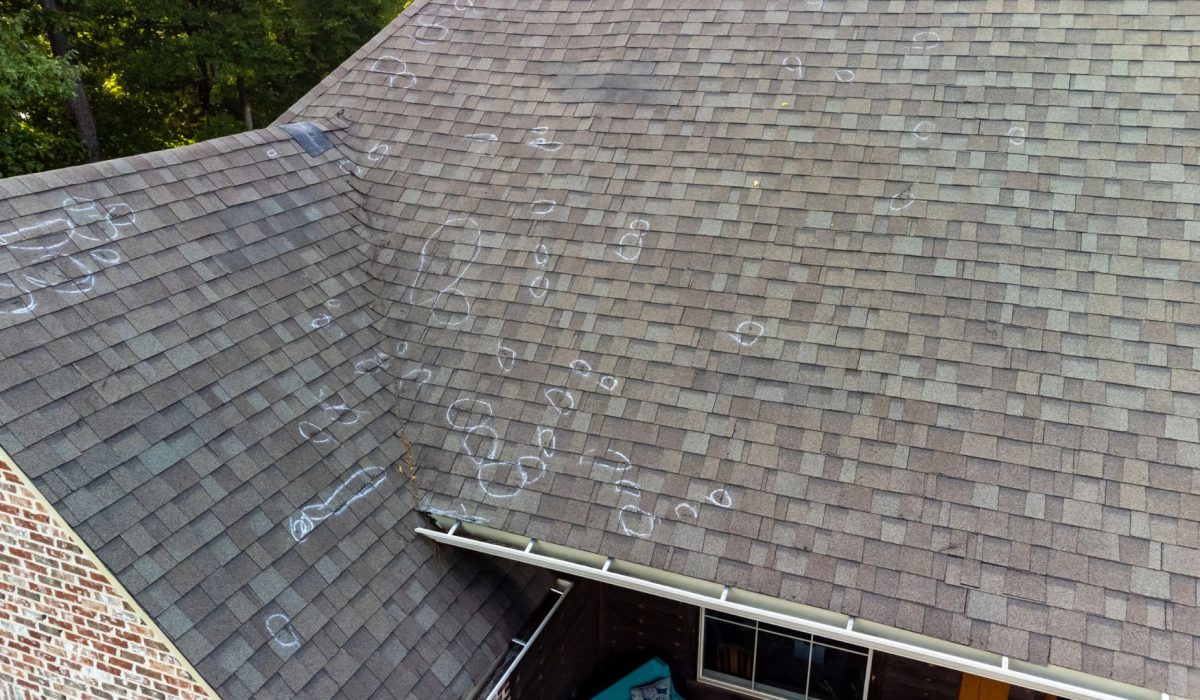
Understanding Granule Loss

roof granule loss
June 11, 2024

Roof Granule Loss: What Every Homeowner Needs to Know

Your roof is designed to protect your home from harsh weather, UV rays, wind, and rain—but over time, even the strongest roofing materials begin to wear down. One of the earliest warning signs of roof deterioration is roof granule loss. While it may seem like a minor issue, losing too many protective granules can reduce your roof’s ability to withstand the elements and may lead to costly repairs if left unaddressed.

In this guide, you’ll learn what roof granule loss is, what causes it, how to recognize the warning signs, and when it’s time to schedule a professional roof inspection. Understanding this common roofing issue can help homeowners take proactive steps to protect their investment and extend the life of their roof.

What is Granule Loss?

Granule loss refers to the shedding or wearing away of the protective granules on asphalt shingles. These granules are tiny, pebble-like particles embedded in the surface of the shingles. They serve several crucial functions, including:

  • UV Protection: Granules protect the asphalt coating from the sun’s ultraviolet (UV) rays, which can cause the shingles to deteriorate and become brittle over time.
  • Fire Resistance: Granules enhance the fire-resistant properties of the shingles.
  • Aesthetic Appeal: Granules give shingles their color and texture, contributing to the overall appearance of your roof.

Causes of Granule Loss:

Granule loss can occur for a variety of reasons, including: granule loss roof
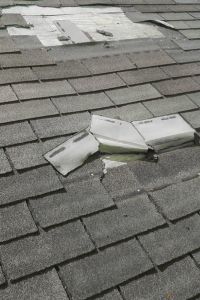
  • Aging: As shingles age, they naturally lose granules. This is a normal part of the wear-and-tear process.
  • Weather Exposure: Harsh weather conditions, such as heavy rain, strong winds, hail, and extreme heat, can accelerate granule loss.
  • Poor Installation: Improperly installed shingles are more likely to experience granule loss. This can happen if the shingles are nailed incorrectly or if the roof deck is not adequately prepared.
  • Foot Traffic: Walking on your roof can dislodge granules, especially if the shingles are already aged or damaged.
  • Defective Shingles: Occasionally, manufacturing defects can result in premature granule loss.

Why Homeowners Should Care About Granule Loss:

Granule loss might seem like a minor issue, but it can have significant implications for the health and longevity of your roof. Here’s why you should care:
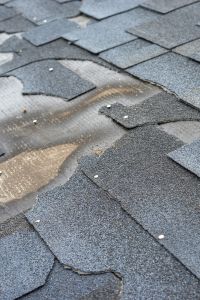
granule shingle

  • Reduced Roof Lifespan: Granules protect the underlying asphalt layer from UV rays. Without this protection, the shingles can become brittle and break down faster, reducing the overall lifespan of your roof.
  • Increased Risk of Leaks: As granules wear away, the asphalt layer becomes more vulnerable to the elements. This can lead to cracks, splits, and ultimately, water infiltration. Leaks can cause extensive damage to your home’s interior and structure.
  • Energy Efficiency: Granules reflect some of the sun’s heat, helping to keep your home cooler. Loss of granules can reduce the energy efficiency of your roof, leading to higher cooling costs.
  • Aesthetic Impact: Granule loss can make your roof look patchy and worn out, diminishing the curb appeal of your home.

How to Identify Granule Loss:

Detecting granule loss early can help you address the issue before it leads to more severe problems. Here are some signs to look out for:

  • Gutter Granules: Check your gutters and downspouts for granules. Finding a small amount is normal, but large accumulations can indicate significant granule loss.
  • Bare Spots: Inspect your shingles for bald spots where granules are missing.
  • Discolored Shingles: Look for areas where the shingles appear discolored or faded. This can be a sign that the granules have worn away.
  • Cracks and Splits: Examine your shingles for cracks, splits, or other signs of deterioration.

What to Do About Granule Loss:

If you suspect that your roof is experiencing granule loss, it’s essential to take action promptly. Schedule a professional inspection by contacting a reputable roofing contractor like Insured Roofs to perform a thorough inspection. We can assess the extent of the granule loss and recommend appropriate solutions. Depending on the severity of the granule loss, you may need to repair or replace affected shingles. In some cases, a full roof replacement may be necessary. However, keeping your roof in good condition by scheduling regular inspections and maintenance can help this issue from the beginning. This can help identify and address issues before they become major problems.

Granule loss is a silent but significant threat to the health and longevity of your roof. By understanding what granule loss is and why it matters, you can take proactive steps to protect your home. At Insured Roofs, we’re here to help you navigate the complexities of roof maintenance and ensure your roof remains in optimal condition. If you’ve noticed signs of granule loss or have concerns about your roof, don’t hesitate to reach out to our team for expert advice and service. Remember, a well-maintained roof is key to a safe and comfortable home.

FREQUENTLY ASKED QUESTIONS ABOUT GRANULE LOSS

1. What is roof granule loss?

Roof granule loss occurs when the protective mineral granules on asphalt shingles begin to wear away. These granules help shield your roof from UV rays, weather, and everyday wear, so losing them can reduce your roof’s durability over time.


2. Is roof granule loss normal?

Yes. Some granule loss is normal, especially on a newly installed roof or as shingles age. However, excessive granule loss may indicate that your roof is deteriorating and should be inspected by a roofing professional.


3. What causes roof granule loss?

Common causes include:

  • Natural aging of asphalt shingles
  • Severe storms with hail or strong winds
  • Prolonged exposure to sunlight and UV rays
  • Heavy rain and changing weather conditions
  • Foot traffic on the roof
  • Poor-quality or aging roofing materials

4. How can I tell if my roof is losing granules?

Signs of roof granule loss include:

  • Granules collecting in gutters or downspouts
  • Dark or bald spots on shingles
  • Uneven shingle color
  • Increased roof wear after storms
  • Visible asphalt exposed on the shingle surface

5. Are granules in my gutters a cause for concern?

A small amount is usually normal. However, if you notice a significant buildup of granules, especially after storms or on an older roof, it may be a sign that your shingles are wearing out and should be evaluated.


6. Can roof granule loss lead to leaks?

Yes. As shingles lose their protective granules, they become more vulnerable to UV damage, cracking, and water intrusion. Over time, this can increase the risk of roof leaks.


7. Can roof granule loss be repaired?

The granules themselves cannot be replaced. Depending on the extent of the damage, a roofing contractor may recommend repairing affected shingles or replacing sections of the roof if the deterioration is widespread.


8. Should I replace my roof if I notice granule loss?

Not always. Minor granule loss is common, but extensive granule loss—especially on an older roof—may indicate that replacement is becoming necessary. A professional roof inspection can help determine the best course of action.


9. How can I prevent excessive roof granule loss?

While natural aging cannot be prevented, you can help extend your roof’s lifespan by:

  • Scheduling regular roof inspections
  • Cleaning gutters to improve drainage
  • Addressing storm damage promptly
  • Avoiding unnecessary foot traffic on the roof
  • Repairing damaged shingles early

10. When should I schedule a roof inspection for granule loss?

It’s a good idea to schedule an inspection if you notice excessive granules in your gutters, bald spots on shingles, signs of storm damage, or if your asphalt roof is over 15 years old. Early detection can help identify issues before they become more serious.

Concerned about roof granule loss? A professional roof inspection can help identify early signs of wear and provide clear recommendations for maintaining your roof. Regular inspections can help extend your roof’s lifespan and prevent small issues from becoming costly repairs.

Book Inspection