Roof Valleys: How This Critical Roof Feature Helps Control Water
When you look at a roof, shingles are usually the first thing you notice. However, some of the most important parts of a roofing system are found where different roof sections meet. One of these critical areas is the roof valley.
A roof valley is designed to collect and direct rainwater down the roof toward the gutters. Because large amounts of water can travel through this relatively narrow area during heavy rain, a properly designed and installed roof valley plays an important role in protecting the roof system and the home below.
When a roof valley becomes damaged, worn, clogged with debris, or improperly installed, it can become a vulnerable area for moisture intrusion. Understanding how roofing valleys work can help homeowners recognize potential warning signs and know when a professional roof inspection may be worthwhile.
In this guide, we’ll explain what a roof valley is, how it works, the different types of valleys, common problems to watch for, and why professional installation and maintenance matter.
What Is a Roof Valley?
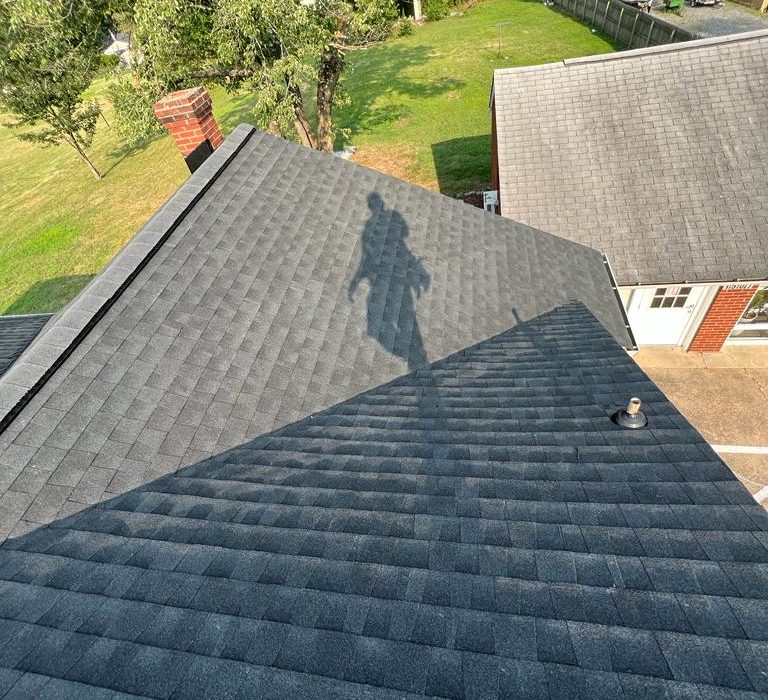
A roof valley is the inward-sloping area created where two sections of a roof meet. Instead of forming an outward peak like a roof ridge or hip, the two roof planes create a channel.
This channel provides a natural path for water.
When rain lands on the surrounding roof surfaces, gravity moves the water toward the valley. The valley then directs that water toward the lower edge of the roof, where it can enter the gutter and drainage system.
This makes the roof valley one of the roof’s major water-management areas.
Think of it as a drainage channel built directly into the roof’s design. During a heavy storm, water from two roof planes can converge in the same valley. That means the materials and installation in this area must be capable of managing substantial water flow.
Why Are Roof Valleys So Important?
The primary purpose of a roof valley is water management, but its importance goes beyond simply moving rainwater.
A properly functioning valley helps:
- Direct rainwater away from vulnerable roof intersections
- Move water efficiently toward gutters
- Reduce the opportunity for water to collect on the roof
- Protect the roof deck and underlying materials
- Support the overall drainage performance of the roofing system
- Reduce the risk of moisture intrusion when properly installed and maintained
Because valleys concentrate water from multiple roof surfaces, problems in these areas can sometimes become significant.
A small installation defect, damaged shingle, deteriorated flashing, or collection of debris may interfere with drainage. Over time, that condition can contribute to water getting beneath the roofing materials.
That is why valleys deserve special attention during a professional roof inspection.
How Does a Roof Valley Work?
A roofing system relies heavily on gravity.
Water hits the roof and travels downward along the slope. When two roof slopes meet at an inward angle, the water from both sections is directed into the valley.
The valley then carries that combined flow toward the roof edge.
For example, imagine two large roof planes directing rainwater into a single narrow channel. During heavy rainfall, that channel may handle considerably more water than nearby sections of the roof.
For this reason, proper roof valley installation involves more than simply placing shingles where two roof sections meet. The underlying materials, flashing method, shingle placement, fastening, and waterproofing details all matter.
What Are the Main Types of Roof Valleys?
There are several ways contractors may construct roofing valleys. The appropriate method can depend on the roofing material, roof design, manufacturer requirements, climate, and installation specifications.
1. Open Roof Valley
An open roof valley has visible metal flashing running along the valley.
Instead of covering the entire valley with shingles, shingles terminate along each side and leave a portion of the metal exposed.
The exposed metal creates a defined channel that allows water to move down the valley.
Open valleys are often easy to identify because you can clearly see the metal strip between the two roof slopes.
Proper installation is critical because the metal flashing, underlayment, shingle edges, and fasteners all work together as part of the water-management system.
2. Closed-Cut Roof Valley
In a closed-cut roof valley, shingles from one roof plane extend across the valley while shingles from the adjoining plane are cut along a line near the valley.
Unlike an open valley, the metal or protective materials underneath are generally not visible from the finished roof surface.
When correctly installed according to the roofing system’s requirements, a closed valley can create a clean, finished appearance while directing water down the roof.
3. Woven Roof Valley
A woven roof valley is created by alternating shingles from both roof slopes across the valley so that they overlap in a woven pattern.
This method may be appropriate for certain roof configurations and shingle products, but it is not suitable for every roofing system.
The roofing manufacturer’s installation requirements should always be considered when determining the appropriate valley method.
Why Roof Valleys Can Be Vulnerable to Leaks
Roof valleys are not automatically problematic. A properly installed valley can perform reliably for many years.
However, valleys naturally experience significant water flow.
That makes installation quality especially important.
Potential problems can occur when:
- Shingles become cracked, lifted, or displaced
- Valley flashing becomes damaged
- Fasteners are placed incorrectly
- Underlayment deteriorates
- Debris prevents proper drainage
- Installation does not follow appropriate specifications
- Roofing materials age
- Storms damage the surrounding shingles or metal
- Previous repairs were completed incorrectly
Because water repeatedly travels through the same area, even a relatively small weakness may eventually allow moisture beneath the roof covering.
Common Signs of Roof Valley Problems
Homeowners should not climb onto their roofs to inspect valleys. Many warning signs can be noticed safely from the ground or from inside the home.
Visible Damage Around the Valley
From the ground, you may notice missing shingles, lifted material, cracked shingles, bent metal, or an unusual appearance along the valley.
These changes do not automatically mean the roof is leaking, but they may justify a closer professional evaluation.
Debris Collecting in the Valley
Leaves, branches, pine needles, and other debris can accumulate where roof sections meet.
Large accumulations may interfere with water movement and keep moisture against roofing materials longer than intended.
Avoid climbing onto the roof to remove debris yourself. Roof surfaces can be dangerous, particularly when wet, steep, damaged, or covered with loose material.
Water Stains Indoors
A new ceiling stain, damp area, or discoloration inside the home may indicate unwanted moisture.
However, the location of an interior stain does not necessarily identify exactly where water entered the roofing system. Water can travel along roof decking, framing, insulation, or other materials before becoming visible indoors.
A professional inspection can help identify the likely source.
Damaged or Corroded Valley Flashing
In an open valley system, visible metal may eventually show signs of physical damage or deterioration.
Bent, punctured, displaced, or otherwise compromised roof valley flashing should be evaluated because flashing is an important part of the roof’s water-management system.
Missing or Damaged Shingles
Strong winds, falling debris, aging, and other conditions can affect shingles near a valley.
Missing or damaged shingles can expose underlying components and may reduce protection in that area.
Can a Damaged Roof Valley Cause a Roof Leak?
Yes. A damaged or improperly installed valley can be one possible source of a roof leak.
Because valleys handle concentrated water flow, openings or weaknesses can provide a pathway for moisture beneath the roofing materials.
Once water reaches the underlying roof system, it may affect:
- Roof decking
- Insulation
- Attic materials
- Interior ceilings
- Walls
- Wood framing
The exact extent of damage depends on the condition, location, duration, and amount of water intrusion.
Addressing suspected problems early can help homeowners understand the condition before additional deterioration occurs.
Roof Valley Flashing: Why It Matters
Roof valley flashing is a protective material installed within or underneath the valley to help manage water.
Metal is commonly used in open valley systems, while other valley configurations may incorporate underlayment and flashing components beneath the shingles.
The flashing helps create another protective layer between flowing water and the roof deck.
Proper installation is essential.
Poorly positioned fasteners, inadequate overlaps, incorrect cuts, or improper material placement can create vulnerable areas. This is one reason roof valley work should be completed according to the roofing manufacturer’s requirements and applicable installation standards.
What Can Damage a Roof Valley?
Several factors can affect a valley over time.
Severe Weather
High winds may lift or displace shingles near valleys. Hail can affect roofing materials, while heavy rain can reveal existing weaknesses in drainage or installation.
After significant weather, homeowners can perform a visual check from the ground for noticeable changes.
Falling Tree Limbs and Debris
Branches and other debris can physically damage shingles or metal components.
Debris can also collect inside the valley and interfere with normal drainage.
Aging Roofing Materials
Roofing materials naturally change as they age.
Shingles may lose granules, become brittle, crack, curl, or experience other forms of wear. Valley components can also deteriorate over time.
Improper Installation
Installation quality matters considerably in areas that manage large amounts of water.
Incorrect shingle cuts, poor flashing placement, improper fastening, or insufficient protective materials can make a valley more vulnerable.
Previous Repairs
Repairs that do not properly address the underlying source of a problem may leave the valley susceptible to continued moisture intrusion.
A qualified roofing contractor should evaluate the entire affected area rather than simply covering a visible symptom.
Should You Repair or Replace a Damaged Roof Valley?
The appropriate solution depends on the condition of both the valley and the surrounding roofing system.
A localized roof valley repair may sometimes be appropriate when the issue is limited and the surrounding roofing materials remain serviceable.
Possible repairs may involve replacing damaged shingles, correcting flashing, replacing deteriorated valley components, or addressing another localized installation issue.
However, broader work may be appropriate when deterioration extends beyond the valley or when the overall roof is approaching the end of its serviceable life.
Factors a roofing professional may consider include:
- Age of the roof
- Extent of valley damage
- Condition of surrounding shingles
- Condition of the roof deck
- Evidence of moisture intrusion
- Number of affected areas
- Previous repairs
- Roofing material availability
- Overall condition of the roofing system
A professional inspection provides the information needed to determine whether a targeted repair or more extensive work makes sense.
Why Professional Roof Valley Inspection Matters
Roof valleys can be difficult to evaluate properly from the ground.
A roofing professional can inspect the valley along with the surrounding components to identify visible conditions that homeowners may not be able to see safely.
Depending on the roof and inspection, professionals may evaluate:
- Valley flashing
- Shingle condition
- Underlayment where accessible
- Fastener placement
- Roof decking
- Drainage patterns
- Debris accumulation
- Signs of previous repairs
- Adjacent roof penetrations
- Interior or attic moisture indicators
At Insured Roofs, homeowner education and clear construction documentation are important parts of the inspection process. The company focuses on roofing expertise, inspections, photos, repair recommendations, and technical construction information so homeowners can better understand the condition of their roofing system.
How Can Homeowners Help Protect Roof Valleys?
You do not need to climb onto your roof to pay attention to its condition.
Instead, homeowners can take several safer steps.
Look at the roof from the ground after major wind, hail, or rain events. Watch for missing shingles, displaced materials, visible debris, or noticeable changes around valleys.
Keep gutters and downspouts functioning properly so water leaving the valley has somewhere to go.
Check ceilings and attic areas, when safely accessible, for new moisture stains or dampness.
Keep trees maintained to reduce the chance of branches falling onto the roofing system.
Most importantly, arrange a professional roof inspection when something appears unusual.
Why Roof Valleys Matter for the Entire Roofing System
A roof is not simply a layer of shingles.
It is a system of materials and components designed to work together. Shingles, flashing, underlayment, ventilation, decking, gutters, penetrations, ridges, and valleys each have specific functions.
The roof valley is especially important because it manages water at the intersection of two roof planes.
If the valley performs correctly, water has a controlled route toward the drainage system.
If the valley becomes compromised, one of the roof’s busiest drainage areas can become a potential point of moisture intrusion.
That is why roof valleys deserve attention during routine maintenance, after severe weather, and whenever homeowners notice signs of a possible roof problem.
Frequently Asked Questions About Roof Valleys
What is a roof valley?
A roof valley is the inward angle formed where two sloping sections of a roof meet. It creates a channel that directs rainwater down the roof toward the gutters or roof edge.
Why is a roof valley important?
Roof valleys manage water from multiple roof surfaces. Proper installation helps direct that water away from vulnerable areas and supports the overall drainage performance of the roofing system.
What are the different types of roof valleys?
Common types include open roof valleys, closed-cut valleys, and woven valleys. The appropriate method depends on the roofing system, material, design, and manufacturer specifications.
Can a roof valley leak?
Yes. A leaking roof valley may result from damaged shingles, compromised flashing, aging materials, debris, improper installation, or other roof conditions. A professional inspection can help identify the actual source.
What does roof valley flashing do?
Roof valley flashing helps direct water through the valley while providing additional protection for the underlying roof system. Metal flashing is particularly visible in open-valley installations.
How do I know if my roof valley is damaged?
Possible signs include missing or lifted shingles, damaged flashing, debris buildup, visible deterioration, ceiling stains, or moisture in the attic. Avoid climbing onto the roof to investigate these conditions yourself.
Should I inspect my roof valley after a storm?
A ground-level visual check after severe weather can be useful. If you notice changes or suspect damage, consider scheduling a professional storm damage roof inspection rather than climbing onto the roof.
Can a roof valley be repaired without replacing the entire roof?
Sometimes. If the problem is localized and the surrounding roofing system remains in suitable condition, a targeted roof valley repair may be possible. The appropriate solution depends on the actual condition of the roof.
How often should roof valleys be inspected?
Roof valleys can be reviewed as part of routine professional roof inspections and after significant weather events or whenever signs of moisture, damage, or drainage problems appear.
Is it safe to inspect a roof valley myself?
Homeowners should avoid climbing onto the roof. Roof valleys may be steep, slippery, or difficult to navigate safely. Perform visual checks from the ground and leave close-up inspections to trained roofing professionals.
Protect One of the Most Important Drainage Areas on Your Roof
Your roof valley may not be the most noticeable feature of your home, but it plays an essential role every time it rains.
By directing water from intersecting roof sections toward the drainage system, a properly installed valley helps the entire roofing system manage moisture effectively.
If you notice missing shingles, damaged flashing, unusual debris buildup, ceiling stains, or changes around a roof valley, don’t ignore them. A professional evaluation can help determine what is happening and whether maintenance or repair is appropriate.
CTA: Have Questions About Your Roof Valley?
Insured Roofs provides professional roof inspections, roof repair, and exterior restoration services for homeowners throughout Northern Virginia and the greater DC, Maryland, and Virginia area. The company’s positioning emphasizes clear inspections, construction documentation, roofing expertise, and homeowner education.
Schedule your roof inspection with Insured Roofs to have your roof valleys, shingles, flashing, drainage areas, and other critical roofing components professionally evaluated.
Stay on the ground and leave roof access to trained professionals.