Why Proper Roof Ventilation Matters More Than Most Homeowners Realize
Roof ventilation is easy to overlook because most of the system is hidden from everyday view. Yet proper roof ventilation plays an important role in managing heat and moisture in the attic and supporting the overall performance of a roofing system.
When ventilation is poorly designed, blocked, damaged, or unbalanced, excessive heat and moisture can accumulate in the attic. Over time, those conditions may contribute to premature roofing material deterioration, condensation, moisture-related problems, and unnecessary strain on the home’s cooling system.
For homeowners in Arlington and throughout Northern Virginia, understanding how roof ventilation works can make it easier to recognize potential problems and know when a professional roof inspection may be worthwhile.
What Is Roof Ventilation?
Roof ventilation is a system designed to allow air to move through the attic or roof assembly. A typical system combines intake ventilation and exhaust ventilation.
Intake vents allow outside air to enter the attic, commonly through soffit or eave areas. Exhaust vents allow warmer, moisture-laden air to leave through higher points of the roof.
Common roof ventilation components include:
- Soffit vents
- Ridge vents
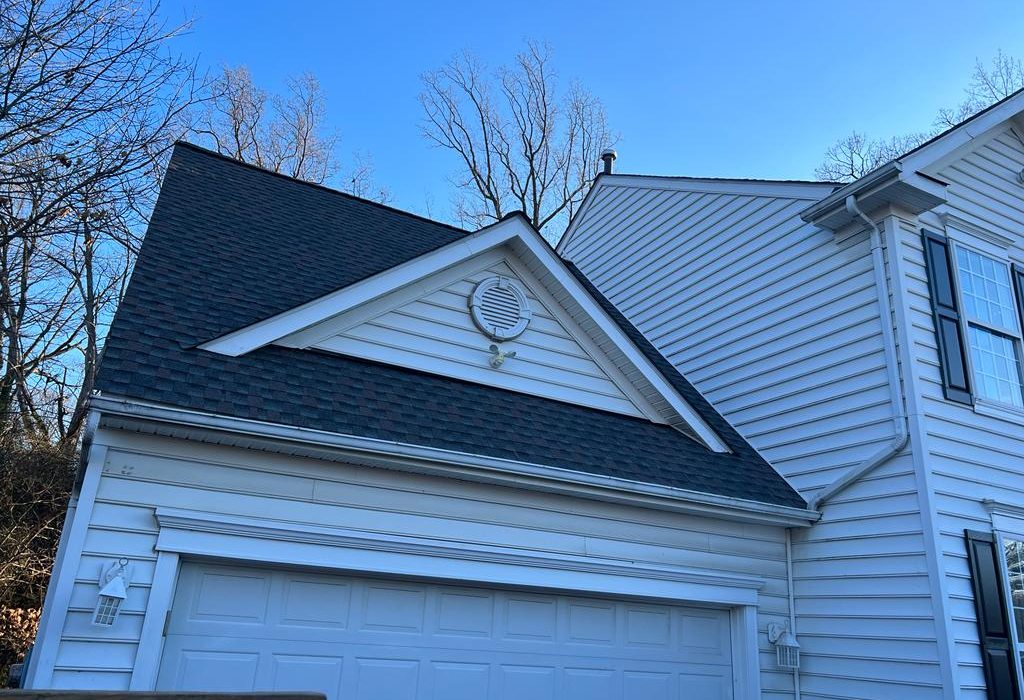
- Gable vents
- Roof or box vents
- Turbine vents
- Powered attic ventilators in certain applications
The specific system that works best depends on the home’s roof design, attic configuration, insulation, climate, and existing ventilation.
Effective ventilation isn’t simply about adding as many vents as possible. Intake and exhaust need to work together as part of a balanced system.
1. Roof Ventilation Helps Manage Attic Heat
One of the most important functions of roof ventilation is helping manage excessive attic heat.
During sunny summer days, roofing materials absorb heat from the sun. Some of that heat transfers into the attic space below. Without adequate ventilation, attic temperatures can rise significantly.
Proper airflow helps move heated air out of the attic while allowing replacement air to enter through intake vents.
This doesn’t mean roof ventilation will make an attic cool like an air-conditioned room. Instead, it helps reduce excessive heat buildup and supports a more stable attic environment.
For Northern Virginia homeowners dealing with hot, humid summers, this can be an important part of overall roof and attic performance.
2. Proper Ventilation Helps Control Moisture
Heat isn’t the only concern inside an attic. Moisture can also create problems.
Everyday household activities such as cooking, showering, washing clothes, and even normal occupancy can introduce moisture into indoor air. If humid air reaches the attic and cannot escape effectively, condensation may form on cooler surfaces.
Over time, excessive attic moisture may contribute to:
- Damp insulation
- Musty odors
- Mold or mildew growth
- Wood discoloration
- Corrosion on metal components
- Deterioration of roof decking
- Reduced insulation performance
Proper roof ventilation, combined with appropriate air sealing and insulation, helps manage moisture by allowing humid attic air to escape.
However, ventilation alone cannot correct every moisture problem. Plumbing leaks, roof leaks, bathroom exhaust fans venting into the attic, and inadequate air sealing may also need to be addressed.
3. Roof Ventilation Can Support Roofing Material Performance
A roofing system is made up of more than the shingles visible from the street. Roof decking, underlayment, flashing, ventilation, insulation, and other components all work together.
When an attic experiences excessive heat or moisture for extended periods, those conditions may contribute to deterioration of roofing materials and structural components.
For example, prolonged moisture exposure can affect wood decking, while extreme attic temperatures can create unnecessary thermal stress within the roofing assembly.
Maintaining appropriate roof ventilation helps create conditions that support the roofing system’s intended performance.
It is important to remember that ventilation is only one factor in roof longevity. Installation quality, material selection, weather exposure, maintenance, storm damage, and the roof’s age also influence how long a roofing system performs.
4. Ventilation Works Together With Insulation
Homeowners sometimes think attic insulation and roof ventilation perform the same job, but they serve different purposes.
Insulation helps slow heat transfer between conditioned living spaces and the attic.
Ventilation helps move air through the attic to manage accumulated heat and moisture.
A well-performing attic often requires both.
Adding more insulation without considering ventilation can sometimes create unintended problems if vents become blocked. Similarly, increasing ventilation won’t compensate for major insulation or air-sealing deficiencies.
This is why the attic should be evaluated as a complete system rather than treating each component independently.
5. Roof Ventilation Can Help During Winter
Roof ventilation isn’t only important during hot weather.
During winter, warm and moisture-containing indoor air can enter attic spaces through openings around electrical fixtures, attic access points, plumbing penetrations, and other gaps.
When that warm air reaches cold roof surfaces, condensation can occur.
In colder conditions, proper attic insulation, air sealing, and ventilation can also play roles in reducing conditions that contribute to ice dam formation.
Ice dams can develop when heat escaping into an attic contributes to uneven snow melting on the roof. Meltwater travels toward colder roof edges, where it can refreeze.
Ventilation alone does not prevent every ice dam, but a properly designed attic system can help maintain more consistent roof temperatures.
6. Ventilation May Affect Indoor Comfort and Energy Performance
An extremely hot attic can increase heat transfer toward the living areas below, especially when attic insulation or air sealing is inadequate.
A properly functioning roof ventilation system can help limit excessive attic heat buildup, complementing insulation and air sealing.
That may reduce some of the heat load affecting the home’s cooling system.
However, homeowners should avoid treating ventilation as a guaranteed energy-saving solution. Overall energy performance depends on many factors, including insulation levels, air leakage, HVAC efficiency, windows, building orientation, and local weather.
The best results generally come from treating the roof, attic, insulation, and ventilation as interconnected parts of the home.
7. Balanced Roof Ventilation Is Important
More ventilation isn’t automatically better.
A roof ventilation system needs appropriate intake and exhaust. If exhaust ventilation is installed without sufficient intake, the system may not move air as intended.
For example, a ridge vent may be present along the roof peak, but if soffit vents are blocked by insulation, airflow can be restricted.
This is one reason a professional evaluation can be useful. A roofing professional can inspect visible ventilation components and identify potential problems such as blocked intake vents, damaged vents, improper vent placement, or ventilation that may not match the roof design.
Common Signs of Poor Roof Ventilation
Roof ventilation problems aren’t always obvious from outside the home. Some warning signs may appear inside the attic or living space.
Potential signs include:
- Excessive attic heat
- Persistent musty odors
- Visible condensation
- Damp or compressed insulation
- Moisture staining on roof decking
- Rust or corrosion around metal components
- Visible mold or mildew
- Premature deterioration of roofing materials
- Uneven temperatures in upper-level rooms
- Ice dam formation during winter
- Damaged or blocked roof vents
- Soffit vents covered by insulation
These symptoms don’t automatically mean ventilation is the cause. Roof leaks, plumbing problems, HVAC issues, insulation deficiencies, and air leakage can create similar conditions.
A professional inspection can help identify the source instead of relying on guesswork.
Common Roof Ventilation Mistakes
Even homes with visible roof vents may not have an effective ventilation system.
Blocked Soffit Vents
Insulation installed too tightly against the roof edge can block airflow through soffit vents.
Insufficient Intake Ventilation
A roof may have exhaust vents but lack enough intake openings to support consistent airflow.
Mixing Ventilation Systems Improperly
Different exhaust systems don’t always work effectively together. Depending on the roof design, combining multiple exhaust methods can interfere with intended airflow patterns.
Bathroom Fans Venting Into the Attic
Bathroom exhaust fans should not simply release humid air into an attic. Doing so introduces moisture directly into a space where condensation can become a concern.
Assuming More Vents Will Solve the Problem
Adding vents without evaluating the existing system can create an unbalanced setup. Ventilation should be planned according to the roof and attic configuration rather than the number of vents alone.
Why Roof Ventilation Matters in Northern Virginia
Homes in Arlington and surrounding Northern Virginia communities experience a wide range of seasonal conditions, including hot and humid summers, heavy rainfall, strong winds, cold winter temperatures, and occasional snow and ice.
These seasonal changes make moisture and temperature management especially relevant.
During summer, attic heat can become significant. During colder months, moisture and condensation may become greater concerns. Storms can also damage vents, loosen components, or introduce debris that affects airflow.
Regular roof and attic inspections can help homeowners identify visible ventilation concerns alongside other roofing issues.
What Happens During a Professional Roof Ventilation Inspection?
A roof ventilation evaluation may involve examining the roofing system and accessible attic areas to understand how air is entering and leaving the space.
Depending on the home, an inspection may include checking:
- Intake vents
- Ridge or exhaust vents
- Soffit openings
- Roof decking
- Attic insulation
- Moisture staining
- Condensation
- Vent obstructions
- Visible mold or mildew
- Signs of roof leakage
- Bathroom or mechanical exhaust routing
- General attic airflow conditions
Insured Roofs emphasizes clear inspections and technical construction documentation, including photos and other inspection information when appropriate. This approach helps homeowners understand visible roof conditions and make informed decisions about maintenance or repairs.
How Often Should Roof Ventilation Be Checked?
There isn’t one inspection schedule that applies to every home, but ventilation should be considered during routine roof inspections.
An additional inspection may be helpful when:
- Purchasing an older home
- Replacing a roof
- Adding or replacing attic insulation
- Renovating upper floors
- Experiencing unexplained attic moisture
- Noticing unusually high attic temperatures
- Finding condensation or musty odors
- Seeing signs of damaged vents
- Experiencing significant storm damage
The goal is to identify concerns while they are still manageable rather than waiting until moisture or heat-related deterioration becomes more extensive.
Frequently Asked Questions About Roof Ventilation
What is the main purpose of roof ventilation?
The primary purpose of roof ventilation is to promote airflow through the attic or roof assembly, helping manage excessive heat and moisture. A balanced system typically uses intake vents near lower portions of the roof and exhaust vents near higher areas.
Does every house need roof ventilation?
Ventilation requirements depend on the design of the roof and building. Many conventional vented attic systems require properly designed ventilation, while some specialized unvented roof assemblies operate differently. A professional can evaluate the specific construction of the home.
Can poor roof ventilation damage a roof?
Poor ventilation may contribute to conditions that accelerate deterioration, particularly when excessive heat or moisture remains trapped in the attic. However, roof condition is also affected by age, installation, weather, maintenance, and material quality.
How can I tell if my roof ventilation is working?
Possible warning signs include excessive attic heat, condensation, moisture staining, musty odors, damp insulation, or blocked vents. Because several other problems can cause similar symptoms, an inspection is the best way to determine the actual cause.
Can roof ventilation prevent mold?
Proper ventilation can help manage attic moisture, which may reduce conditions favorable to mold growth. However, ventilation cannot fix an active roof leak, plumbing leak, improperly vented exhaust fan, or other significant moisture source.
Does roof ventilation help lower energy bills?
Proper ventilation can help manage excessive attic temperatures, but energy costs depend on many factors. Insulation, air sealing, HVAC efficiency, windows, and overall building design also influence energy consumption.
Can I add more roof vents to improve ventilation?
Not necessarily. Adding vents without evaluating intake and exhaust balance may not improve airflow and could potentially interfere with an existing system. The entire ventilation design should be considered first.
What is the difference between soffit vents and ridge vents?
Soffit vents are commonly used as intake vents near the roof’s lower edges. Ridge vents are installed near the roof peak and generally function as exhaust vents. When properly designed together, they can create continuous airflow through a vented attic.
Should roof ventilation be checked when replacing a roof?
Yes. Roof replacement is a useful opportunity to evaluate the existing ventilation system, identify blocked or inadequate vents, and determine whether changes should be considered as part of the roofing project.
Can storms affect roof ventilation?
Yes. Strong winds, debris, and other storm conditions can potentially damage or obstruct roof ventilation components. After significant weather, a professional inspection can document visible roof and exterior conditions. Insured Roofs’ marketing and inspection framework emphasizes construction-focused documentation rather than making promises about insurance coverage or claim outcomes.
Protect More Than Just Your Shingles
Your roof is a complete system, and roof ventilation is an important part of how that system manages heat and moisture.
A ventilation problem may remain unnoticed because much of the system is hidden inside the attic. By the time visible moisture staining, damaged decking, deteriorated insulation, or other symptoms appear, the underlying condition may have been developing for some time.
Routine roof and attic evaluations can help homeowners understand what’s happening beneath the shingles and identify areas that may need attention.
Schedule a Professional Roof Inspection With Insured Roofs
Not sure whether your roof ventilation is working properly?
Insured Roofs provides professional roofing inspections and construction-focused documentation for homeowners throughout Arlington and surrounding Northern Virginia communities. The company’s broader service positioning emphasizes licensed and insured roofing expertise, clear inspections, homeowner education, and documentation using photos, drone imagery, and thermal imaging when appropriate.
Schedule a roof inspection with Insured Roofs today to have your roofing and ventilation components evaluated and get a clearer understanding of your roof’s condition.
Protect your roof. Manage hidden moisture. Keep your roofing system working as intended.