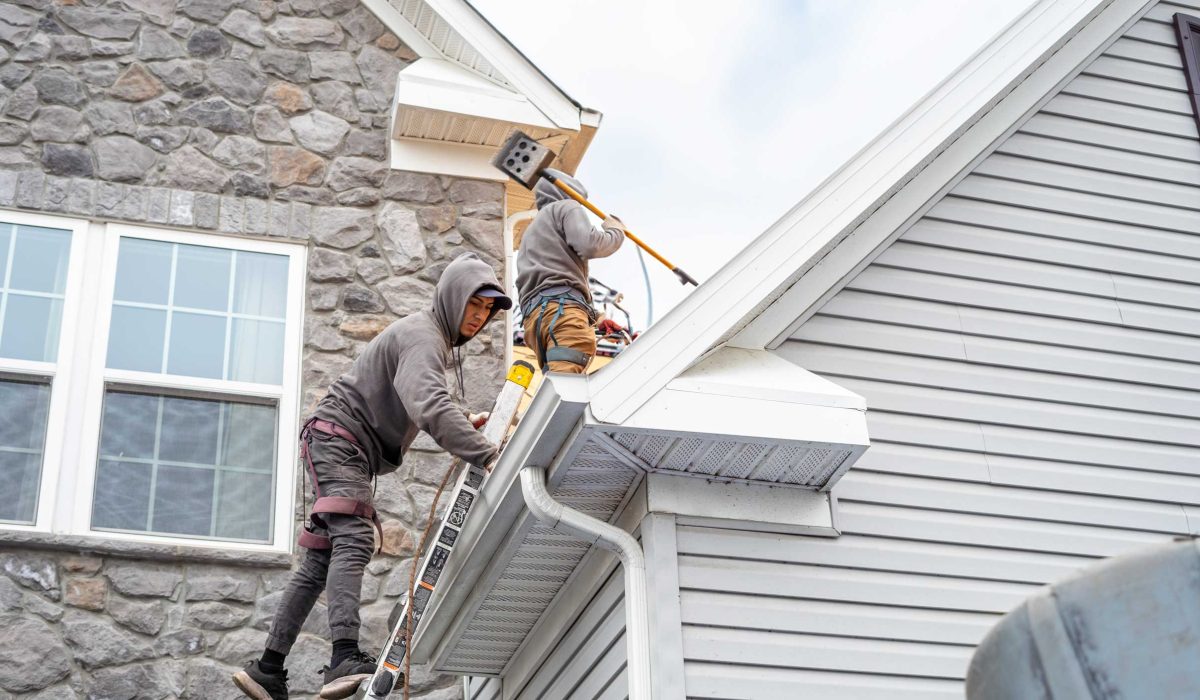
When you think of roofing contractors, what comes to mind? Perhaps it’s the image of skilled craftsmen expertly installing shingles under the warmth of the sun. While that’s certainly part of the job, there’s much more to being a roofing contractor than meets the eye. Behind the scenes, these unsung heroes face a myriad of dangers and challenges every day – from heights and extreme weather to hazardous materials and physical strain. Let’s shed light on the often-overlooked why roofing is dangerous faced by roofing contractors and explore the importance of recognizing and appreciating their hard work and dedication.
Heights and Fall Hazards:
Roofing contractors spend the majority of their time working at heights, whether it’s scaling steep rooftops or maneuvering on scaffolding and ladders. With every step they take, they’re at risk of slips, trips, and falls – accidents that can result in serious injuries or even fatalities. Despite rigorous safety protocols and precautions, the inherent risk of working at heights is a constant concern for roofing contractors.
Extreme Weather Conditions:
Roofing contractors are at the mercy of Mother Nature, working in sweltering heat, bone-chilling cold, driving rain, and blistering winds. These extreme weather conditions not only take a toll on their physical health but also pose safety risks and challenges. From heat exhaustion and frostbite to slippery surfaces and unstable working conditions, roofing contractors must navigate a variety of weather-related hazards on a daily basis.
Hazardous Materials:
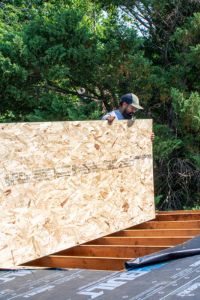
Many roofing materials contain hazardous substances such as asbestos, lead, and toxic chemicals, posing health risks to contractors who handle them. Exposure to these materials can lead to respiratory problems, skin irritation, and long-term health complications. Proper handling, disposal, and protective measures are essential to minimize the risks associated with working with hazardous materials.
Physical Strain and Injury:
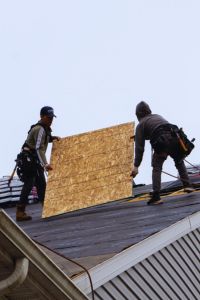
Roofing is physically demanding work, requiring contractors to lift heavy materials, bend, stretch, and maneuver in awkward positions for extended periods. Over time, this physical strain can take a toll on their bodies, leading to musculoskeletal injuries, strains, and fatigue. Despite the physical challenges they face, roofing contractors persevere, driven by a dedication to their craft and a commitment to delivering quality workmanship.
Importance of Gratitude and Appreciation:
As we reflect on the dangers faced by roofing contractors, it’s essential to recognize and appreciate the invaluable contributions they make to our communities. Their hard work, skill, and dedication play a crucial role in keeping our homes safe, dry, and secure – yet their efforts often go unnoticed and under appreciated. By expressing gratitude and appreciation for the work they do, we can acknowledge the risks they take and the sacrifices they make to ensure our comfort and well-being.
The dangers faced by roofing contractors are real and ever-present, yet they continue to brave the elements and rise to the challenge day in and day out. As we go about our daily lives, let’s take a moment to recognize and appreciate the hard work, dedication, and resilience of these unsung heroes. Whether it’s a simple thank you, a kind gesture, or a show of support, let’s show our gratitude for the sacrifices they make to keep our homes safe and secure. After all, behind every well-built roof is a team of roofing contractors who put their safety and well-being on the line to protect ours.
Protect Your Home with Experienced Roofing Professionals
Roofing is one of the most dangerous professions, requiring specialized training, proper safety equipment, and years of hands-on experience. Whether your roof has been damaged by a storm or simply needs a professional inspection, trusting experienced roofing contractors helps ensure the job is completed safely and correctly.
At Insured Roofs, our team is committed to providing thorough roof inspections, quality repairs, and reliable roofing solutions throughout Northern Virginia. We prioritize safety, craftsmanship, and honest recommendations so you can have confidence in your roof’s condition.
Don’t wait until a small roofing issue becomes a costly repair. Schedule your professional roof inspection today and let our experienced team help protect your home and your investment.